
Norway has contributed about $2.6 million to the United Nations’ Special Trust Fund for Afghanistan, bringing its total contributions to the fund to more than $49.3 million, according to UN figures.
The fund welcomed the latest Norwegian contribution, saying continued support from the country would help UN agencies expand assistance and basic services for people in Afghanistan. The Special Trust Fund for Afghanistan was established in October 2021 to help address basic needs, including essential services, livelihoods, disaster response and initiatives supporting human rights and women’s empowerment.
Norway is the third-largest contributor to the fund after Sweden and Germany, according to the fund’s official contribution figures. Since 2021, 16 donors have contributed more than $277 million to the mechanism.
The Norwegian government says its assistance to Afghanistan is not provided directly to the Taliban authorities. Instead, funding is channelled through UN agencies, multilateral organisations and non-governmental and civil-society organisations. Norway has repeatedly said that direct support to Afghanistan’s de facto authorities is not part of its aid policy.
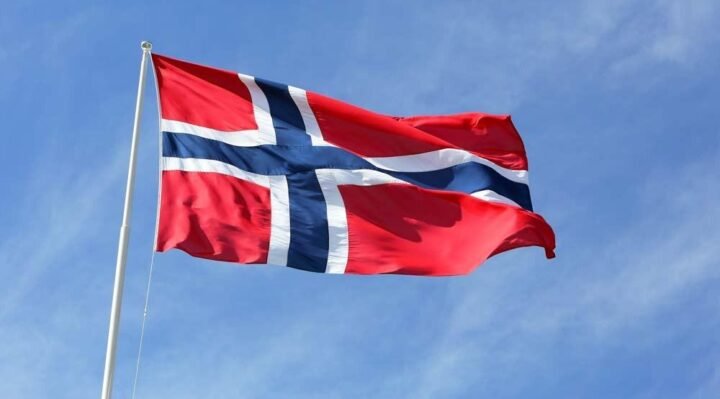
Oslo has also made access to essential services for women and girls a priority in its Afghanistan assistance. Norwegian policy documents say support is directed toward areas including education, healthcare, food security, livelihoods and women’s rights, while funding is channelled through multilateral organisations and civil society rather than directly to the de facto authorities.
The new contribution comes as Afghanistan continues to face major humanitarian and economic needs, while humanitarian funding worldwide has come under pressure. The Norwegian Refugee Council warned in July that global humanitarian funding had fallen sharply in 2026, increasing pressure on assistance programmes serving vulnerable populations.
