

 Oslo is home to two infamous gangs whose members are mainly Pakistani Norwegians. They are known as the A gang and B gang or A-Gjengen and B-Gjengen. According to an article in Pakistan’s Daily Times, both gangs are run by criminals within Oslo’s immigrant Pakistani community.In 2006, tension between the Pakistani-dominated gang Young Guns and B-Gjengen led to an open gun battle in broad daylight at Oslo’s popular Aker Brygge Complex on the waterfront. Many key gang members were arrested and others fled the country.
Tension remains high between Oslo’s rival gangs. Police are worried about more armed battles breaking out at any time, reports the daily.
The article, which is written by Fawad Kaiser, a professor of psychiatry in the United Kingdom, also noted that Oslo’s gang culture is becoming more complex and that battles are motivated by revenge, drugs and turf wars.
“The Pakistan youth are known for their gangs and indulgence in crime,” writes Kaiser, who is of Pakistani origin. “A few years ago, the Norwegian police uncovered a house outside Oslo where Arshad Mahmood, a Norwegian Pakistani, held and tortured members of a competing Morocco/Dutch gang, competing in the narcotics trade. He has now been deported under a new Norwegian criminal law. He was described as the purported leader of Oslo’s so-called A-gang.”
In 2008, Norway launched International Operation Nemesis, which targeted Pakistani gangs based in Oslo. The results of this operation, according to Kaiser, showed how host country social control institutions came into conflict with immigrant value systems to inflict shame on the ‘honour’ of immigrant criminals who have violated their own cultural/religious code.
Kaiser also noted that some Norwegian citizens of Pakistani origin are involved in criminal cases such as family feuds and property disputes in Pakistan.
“Since a number of these Norwegian citizens come from Gujrat, a modern crime scene unit was established with the help of the government of Norway to help the Gujrat police,” he writes. “Through the first phase of the programme, police officials, particularly in Gujrat, were involved in the training and capacity building of police officials on investigating crime scenes for better reporting but, unfortunately, vested political interests in Pakistan conveniently hampered this programme. There remains an urgent need to develop a mechanism to address criminal cases that are traced back to Pakistan.”
In closing, Kaiser calls on Pakistan’s Prime Minister Nawaz Sharif to “seriously consider tackling this challenge of security, which remains a huge concern for the international community and our national prestige”.


 Two Iranian PhD students have sued the Norwegian government after being expelled from the country on suspicion of gathering information that could aid Iran’s nuclear program. Hamideh Kaffash and Shanin Akbarnejad both enrolled at the Norwegian University of Science and Technology, in the autumn of 2014.Both were pursuing PhDs in metallurgy, planning to spend 3 years in the city of Trondheim.
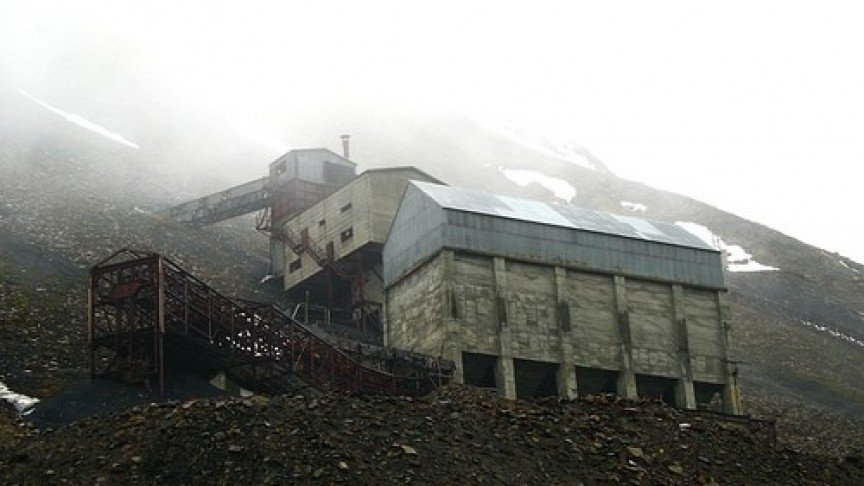
 The UN is urging Norway to shut down its coal mining operations on the Arctic archipelago of Svalbard due to concerns due to a clash of interest with the islands’ major functionality of climate change research. Executive secretary on climate change for the UN, Christiana Figueres, said that Svalbard is a bastion of climate change research and that this and coal mining fits very poorly together.She also cited that Norway has been one of the global leaders when it comes to sustainable energy programmes and green living.

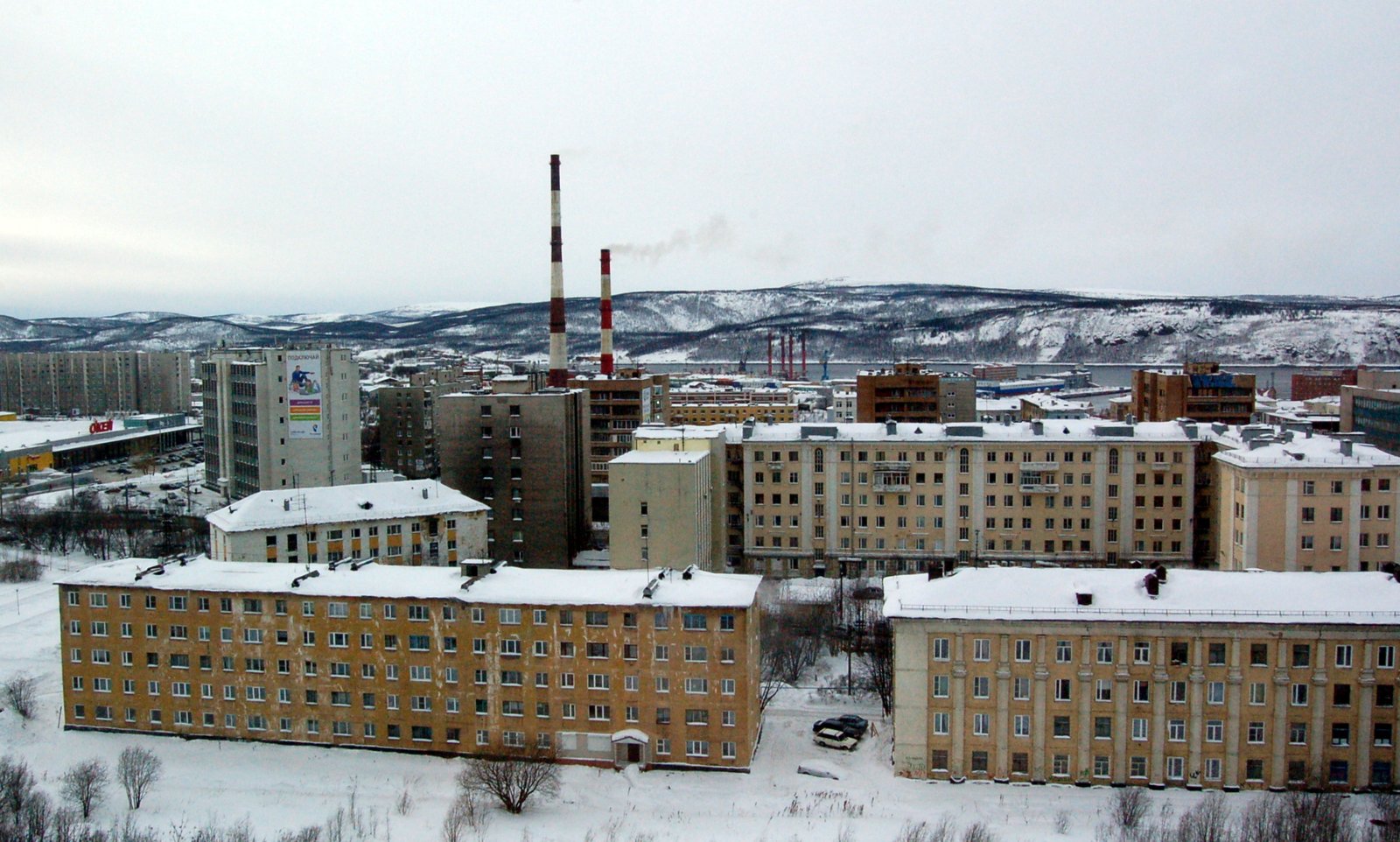
 Despite a cold political climate, the United States and Russia cooperated on a secret September voyage with highly enriched uranium from Poland to Murmansk, Russia. Norwegian radiation authorities were not informed before the vessel sailed into Norway’s economic zone. The head of Vardø Vessel Traffic Service, Ståle Sveinungsen, confirmed to the Barents Observer that the vessel Mikhail Dudin was carrying a load of highly radioactive material when it sailed along the coast of Norway two weeks ago.“That is correct. The vessel entered Vardø Traffic Service’s systems on the evening on Sept. 2 and sailed out again in the afternoon on Sept. 8,” Sveinungsen said.
 A Norwegian local resident told Norwegian broadcaster NRK he thought the cruise ship took a chance by sailing close to the rocky coast on its way into the quay. This Bahamas-registered cruise ship with almost one thousand British tourists on board that ran aground in northern Norway on Saturday managed to get free using its own engines and high tides, rescue services said.The 176-meter (580-foot) “Marco Polo” ship later docked at a quay in Buksnesfjord and seemed to “function normally,” the services said.

 Arctic Biodiversity Congress gathers Arctic leaders to discuss sustainability- Trondheim, Norway, December 2-4, 2014. Over 400 Arctic leaders, scientists, government representatives, indigenous peoples, and members of industry and non-governmental organizations are meeting in Trondheim, Norway to discuss the future of Arctic nature and sustainability at the Arctic Biodiversity Congress, December 2-4, 2014.“Climate change is by far the most serious threat to Arctic biodiversity, but it does not act in isolation”, says Tine Sundtoft, Minister for Climate and Environment. “We need to understand all of the changes happening in the Arctic so we can better prepare our policy in the region. This Congress will help inform the appropriate responses.”
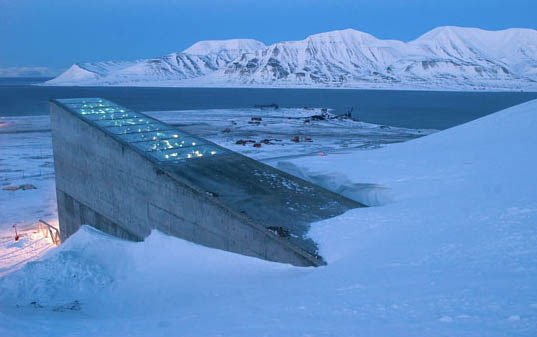
 The United Nations called on Norway last summer to close its coal mining operation on the Svalbard Arctic archipelago. It did. The government of Norway, which has the world’s largest sovereign wealth fund ($860bn), has also announced plans to divest from coal. This means the wealth fund will divest from 14 coal mining companies, one coal-fired generator, five tar-sands oil producers and two cement makers (since cement is produced by burning coal).This is being described as a giant step forward in the fossil fuel shutoff movement.

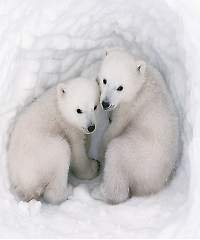
 The so-called “doomsday vault” located on the Norwegian archipelago of Svalbard has received its first delivery of forest tree species seeds – a Norway spruce and a Scots pine. The depository, which first opened in 2008, is attempting to preserve all global food crop seeds in the event of catastrophic natural or man-made disasters, according to the Beacon Review. The scientists there are hoping to monitor long-term genetic changes in natural forests.“The possibility to have seed samples stored in the vault is a great opportunity to complement our forest tree gene conservation, which is based on in situ gene reserve forests,” Dr. Mari Rusanen, a researcher for Natural Resources Institute Finland (Luke), one of the organizations involved in the seed collection, told BBC News on Sunday.
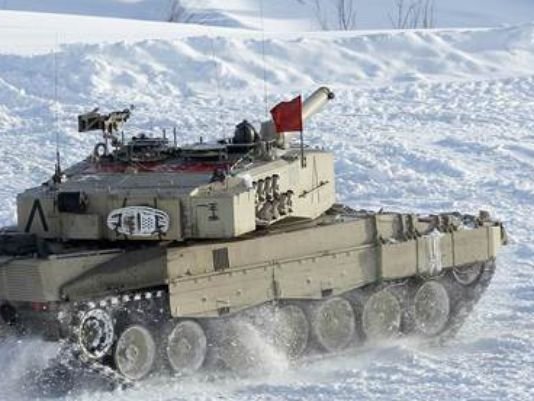
 As Russia strengthens its naval, air and ground forces in its northern territories, Norway has responded by scaling-up manpower, equipment and Arctic combat units as part of a broader reinforcement of its High North defenses. Norway’s program, part of the Norwegian Defense Forces’ (NDF) Smart Defense strategy, comprises a strong Arctic-focused dimension in funding and resource allocation.The Smart Defense approach to High North military reinforcement has, since 2010, placed higher priority on Arctic-class specialized equipment procurement coupled with more intensive training for High North-deployed units. The goal is to produce combat-ready modular units that can fight independently or alongside NATO forces.

 Sky-gazers in the Arctic were treated to a perfect view of a total solar eclipse yesterday as the moon completely blocked out the sun in a clear sky, casting a shadow over Norway’s remote archipelago of Svalbard. People shouted, cheered and applauded as Longyearbyen, the main town in Svalbard, plunged into darkness. The skies were clear, offering a full view of the sun’s corona — a faint ring of rays surrounding the moon — that is only visible during a total solar eclipse.Earlier, a blanket of clouds in the Faeroe Islands blocked thousands of people there from experiencing the full effect of the total eclipse.

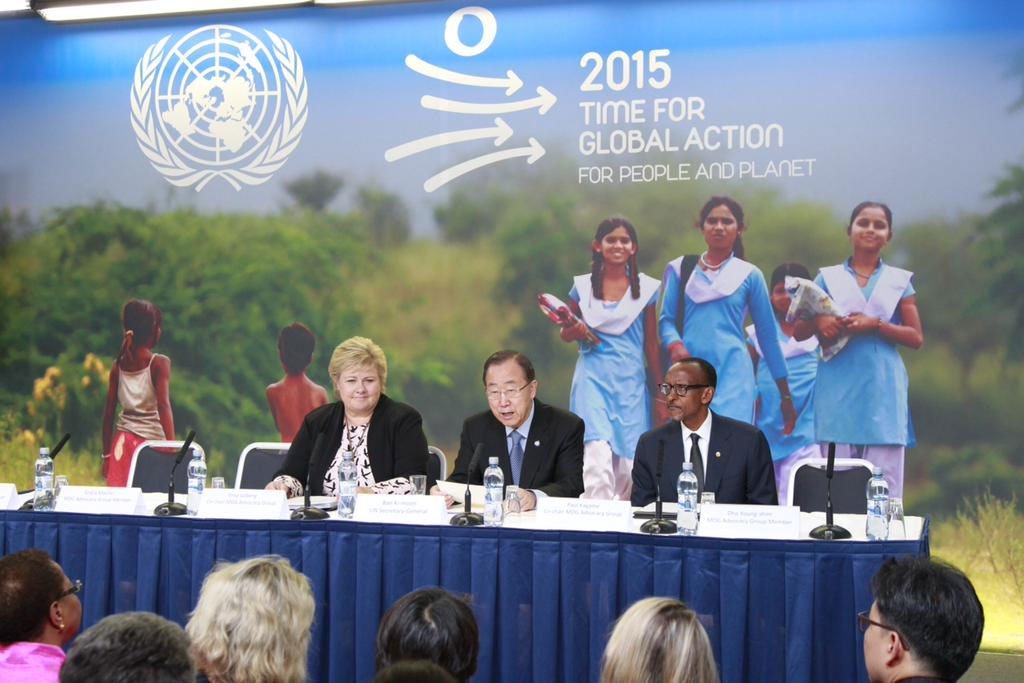
 At the site of a rapidly shrinking glacier in the Norwegian Arctic, United Nations Secretary-General Ban Ki-moon stressed the need for the international community to “take action now” to fight climate change. “I am just close to 250 metres to the glacier. It looks magnificent. But at the same time, I am alarmed that there are so many cracks that will soon break. They are melting very rapidly, and I fully agree with what scientists have been projecting. Unless we take action now, we will have to regret. We have to keep global temperature rise below two degrees as soon as possible,” he said.Preparing for the upcoming meeting of the States parties to the UN Framework Convention on Climate Change (UNFCCC) that will take place in Paris in 2015, the UN chief was in Norway this week to attend a number of high-level events.
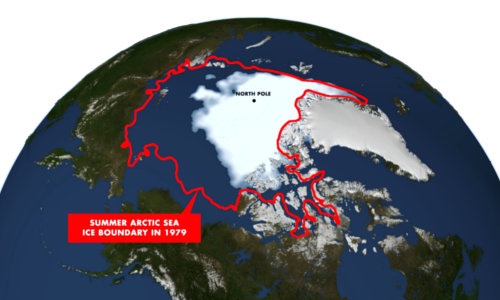
 The five states that surround the central Arctic Ocean – Canada, the Kingdom of Denmark in respect of Greenland, the Kingdom of Norway, the Russian Federation, and the United States of America – met in Oslo on July 16 to sign a declaration to prevent unregulated commercial fishing in high seas portion of the central Arctic Ocean.The declaration acknowledges that commercial fishing in this area of Arctic Ocean – which is larger than Alaska and Texas combined – is unlikely to occur in the near future. Nevertheless, the dramatic reduction of Arctic sea ice and other environmental changes in the Arctic, combined with the limited scientific knowledge about marine resources in this area, necessitate a precautionary approach to prevent unregulated fishing in the area.
 Several people are missing after an avalanche smashed into 10 houses on Norway’s remote Arctic archipelago of Svalbard, authorities said. Eight people were taken to hospital after the avalanche tumbled down from Sukkertoppen mountain, which dominates Longyearbyen, the main settlement on Svalbard, at about 11am on Saturday.Dozens of houses at the foot of Sukkertoppen were evacuated as a precaution, said Tone Hertzberg, a spokeswoman for the governor of Svalbard.

 The week-long Arctic Frontiers conference kicked off on Sunday as about 1,300 delegates from around the world gathered in the northern Norwegian city of Tromso to discuss the balance between industrial and environmental interests in the Arctic.At an opening ceremony at the Fram Centre in central Tromso Sunday evening, Jan-Gunnar Winther and Harald Steen from the Norwegian Polar Institute presented the 2015 Norwegian Winter Research Expedition to the Arctic Ocean, which shows a thinning ice with dramatic consequences in the region.
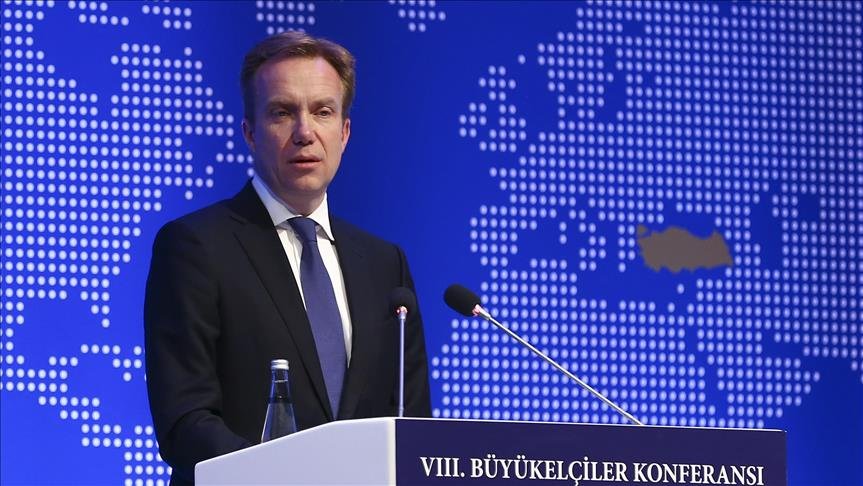
 With the support of H.H. Sheikha Fatima bint Mubarak, Chairwoman of the General Women’s Union (GWU), Supreme Chairwoman of the Family Development Foundation (FDF) and President of the Supreme Council for Motherhood and Childhood and Rym al Falasi, Secretary-General of the Supreme Council for Motherhood and Childhood, the UAE engaged in a critical discussion on women’s and children’s health in humanitarian settings at a high-level briefing at the United Nations.
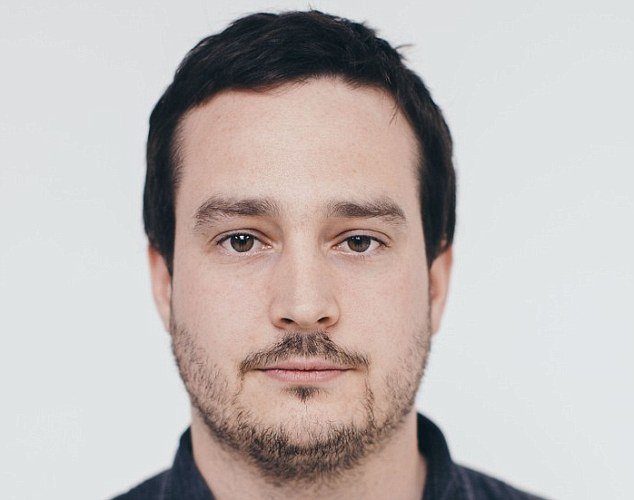
 A Norwegian politician has spoken of how how he felt guilty that the Somali asylum seeker who raped him was deported. Karsten Nordal Hauken, from Ås, Akershus, was raped in his home and the perpetrator was subsequently caught and jailed for 4.5 years. However, when Nordal Hauken found out that the man was to be deported back to Somalia after serving his time, he reveals he felt guilt that the man would possibly face hardship in his old country.Nordal Hauken has told his story as part of a television series on Norwegian state broadcaster NRK called Jeg mot Meg [Me against Myself] about mental illness and psychological struggles.

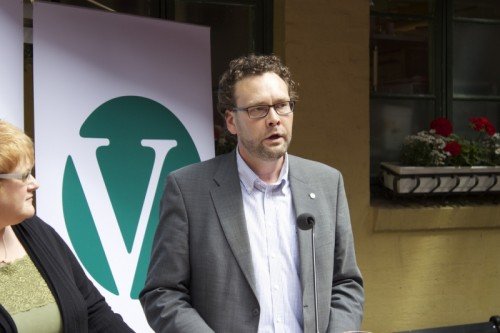
 In a decision deemed “devastating” for the 17-year-old girl who claimed she was raped, prosecutors have dropped all charges against the former deputy leader of the Liberal Party, Helge Solum Larsen. The girl, a member of the party’s youth wing, accused the 43-year-old politician of raping her after a local branch of the party held its annual conference in Suldal, south-western Norway, in February this year. While he admitted having sex with the girl, Solum Larsen claimed it was consensual.The girl’s lawyer, Berit Johannessen, said her client was deeply disappointed by the announcement on Wednesday that chief public prosecutor Harald Grønlien was dropping the case due to insufficient evidence.