NORWAY NEWS – latest news, breaking stories and comment – NORWAY NEWS
  • Home
  • About us
  • News
  • Other News
    • Africa and Norway
    • Asia and Norway
    • Asylum
    • Breaking News
    • China and Norway
    • Corruption in Norway
    • Crimes
    • Defence
    • Diplomatic relations
    • Economics
    • Environment
    • Farming
    • Featured
    • Health
    • Killing
    • Media Freedom
    • Middle East and Norway
    • NATO and Norway
    • Nobel Peace Prize
    • Norwegian Aid
    • Norwegian American
    • Oil & Gas
    • Peace Talks
    • Politics
    • Racism in Norway
    • Religion
    • Royal House
    • Russia and Norway
    • Science
    • Sex scandal
    • Sports
    • Spy War
    • Srilanka and Norway
    • Svalbard
    • Taiwan and Norway
    • Terrorist
    • Travel
    • Video clips
  • Disclaimer
  • Contact us
NORWAY NEWS – latest news, breaking stories and comment – NORWAY NEWS
  • Home
  • About us
  • News
  • Other News
    • Africa and Norway
    • Asia and Norway
    • Asylum
    • Breaking News
    • China and Norway
    • Corruption in Norway
    • Crimes
    • Defence
    • Diplomatic relations
    • Economics
    • Environment
    • Farming
    • Featured
    • Health
    • Killing
    • Media Freedom
    • Middle East and Norway
    • NATO and Norway
    • Nobel Peace Prize
    • Norwegian Aid
    • Norwegian American
    • Oil & Gas
    • Peace Talks
    • Politics
    • Racism in Norway
    • Religion
    • Royal House
    • Russia and Norway
    • Science
    • Sex scandal
    • Sports
    • Spy War
    • Srilanka and Norway
    • Svalbard
    • Taiwan and Norway
    • Terrorist
    • Travel
    • Video clips
  • Disclaimer
  • Contact us
Saturday, October 3, 2026
NORWAY NEWS – latest news, breaking stories and comment – NORWAY NEWS
  • Home
  • About us
  • News
  • Other News
    • Africa and Norway
    • Asia and Norway
    • Asylum
    • Breaking News
    • China and Norway
    • Corruption in Norway
    • Crimes
    • Defence
    • Diplomatic relations
    • Economics
    • Environment
    • Farming
    • Featured
    • Health
    • Killing
    • Media Freedom
    • Middle East and Norway
    • NATO and Norway
    • Nobel Peace Prize
    • Norwegian Aid
    • Norwegian American
    • Oil & Gas
    • Peace Talks
    • Politics
    • Racism in Norway
    • Religion
    • Royal House
    • Russia and Norway
    • Science
    • Sex scandal
    • Sports
    • Spy War
    • Srilanka and Norway
    • Svalbard
    • Taiwan and Norway
    • Terrorist
    • Travel
    • Video clips
  • Disclaimer
  • Contact us
Copyright 2025- All Right Reserved Norway News
Africa and Norway

Threat Facing Aid Workers in South Sudan

by Nadarajah Sethurupan November 13, 2020
written by Nadarajah Sethurupan

The European Union Delegation, all Heads of Mission of France, Germany, the Netherlands, Sweden, Norway, Canada, the United States, the United Kingdom and Switzerland express deep concern regarding recurrent reports of high numbers of incidents in South Sudan where national and international humanitarian aid workers are hindered, threatened, injured, and in some cases killed.

In 2020 alone up to 14 humanitarian workers have lost their lives and this continues to make South Sudan one of the most dangerous places to work as a humanitarian. We strongly condemn the October 5 attack on a clearly identified WFP humanitarian aid convoy carrying much-needed food assistance for South Sudanese people affected by severe food insecurity and flooding.

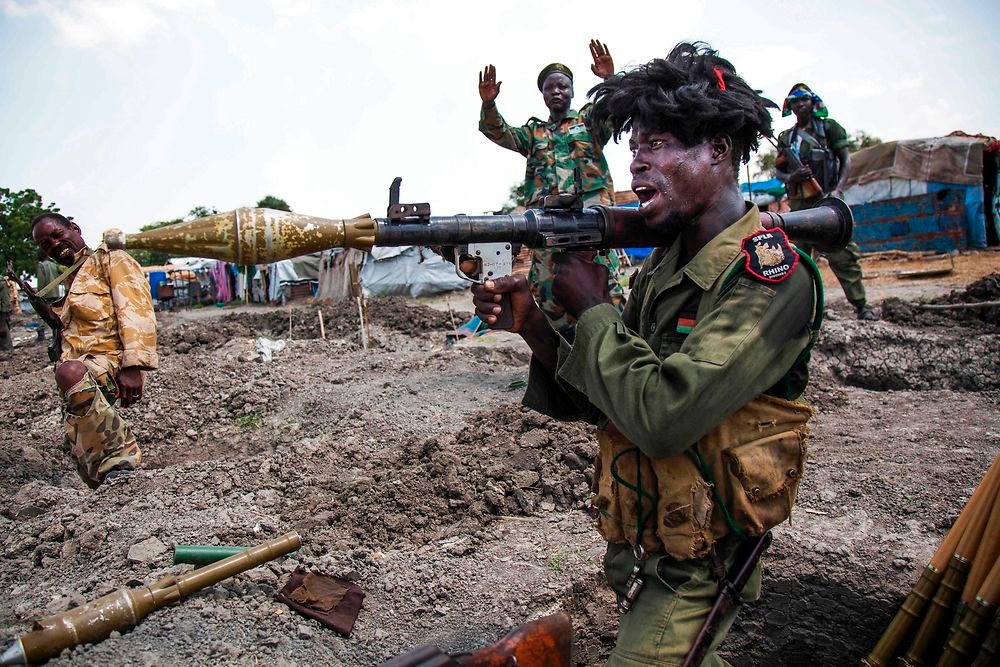
AFP PICTURES OF THE YEAR 2016 soldiers of the Sudan People Liberation Army (SPLA) celebrate while standing in trenches in Lelo, outside Malakal, northern South Sudan, on October 16, 2016. Heavy fighting broke out on Ocotober 14 between SPLA (Government) and opposition forces in Wajwok and Lalo villages, outside Malakal. SPLA commanders claim they succeeded to keep their positions and assure their forces just responded “on self defence”. / AFP PHOTO / Albert Gonzalez Farran

These incidents are not only a violation of the Cessation of Hostilities agreement but also contravene the UN Security Council Resolution 2417(2018) on Conflict and Hunger and must be acted upon. Attacks on civilians, aid workers, facilities and supplies are in breach of International Humanitarian Law. 

The October 9 Nobel Peace Prize statement announcing WFP as the recipient highlights South Sudan as a country of major concern, noting that “In countries such as South Sudan, the combination of violent conflict and the (COVID-19) pandemic has led to a dramatic rise in the number of people living on the brink of starvation…..The link between hunger and armed conflict is a vicious circle. We will never achieve the goal of zero hunger unless we also put an end to war and armed conflict.”  

In the face of increasing violence and conflicts and growing food insecurity, the COVID-19 pandemic and the dire situation the extensive flooding has caused the people of South Sudan, the Heads of Mission urge the R-TGoNU and all parties, now more than ever, to:

• provide a safe environment for humanitarian workers in South Sudan and tackle the violence and access impediments recurring in the country;
• investigate all reported incidents and hold the perpetrators accountable;
• uphold their commitment to deliver on the R-ARCSS and specifically Chapters II and III, through actions that allow principled humanitarian response grounded in humanity, impartiality, neutrality and independence;
• remove formal and informal bureaucratic obstructions, including the numerous fees and taxes on the humanitarian response that delay and prohibit life-saving assistance and reduce the funds available for assisting those in need.

We have the highest respect for all humanitarian workers who put themselves at risk to assist millions of people with food, water, health care, shelter, and protection. We would like to take this opportunity to re-emphasize the Statement of Principles and Actions (Humanitarian Donors Nov 2019) and our collaboration and our support to stand with and serve the people of South Sudan.

November 13, 2020 0 comments
0 FacebookTwitterPinterestEmail
Crimes

Maintaining Maritime Law And Order Off The Coast Of Norway

by Nadarajah Sethurupan November 12, 2020
written by Nadarajah Sethurupan

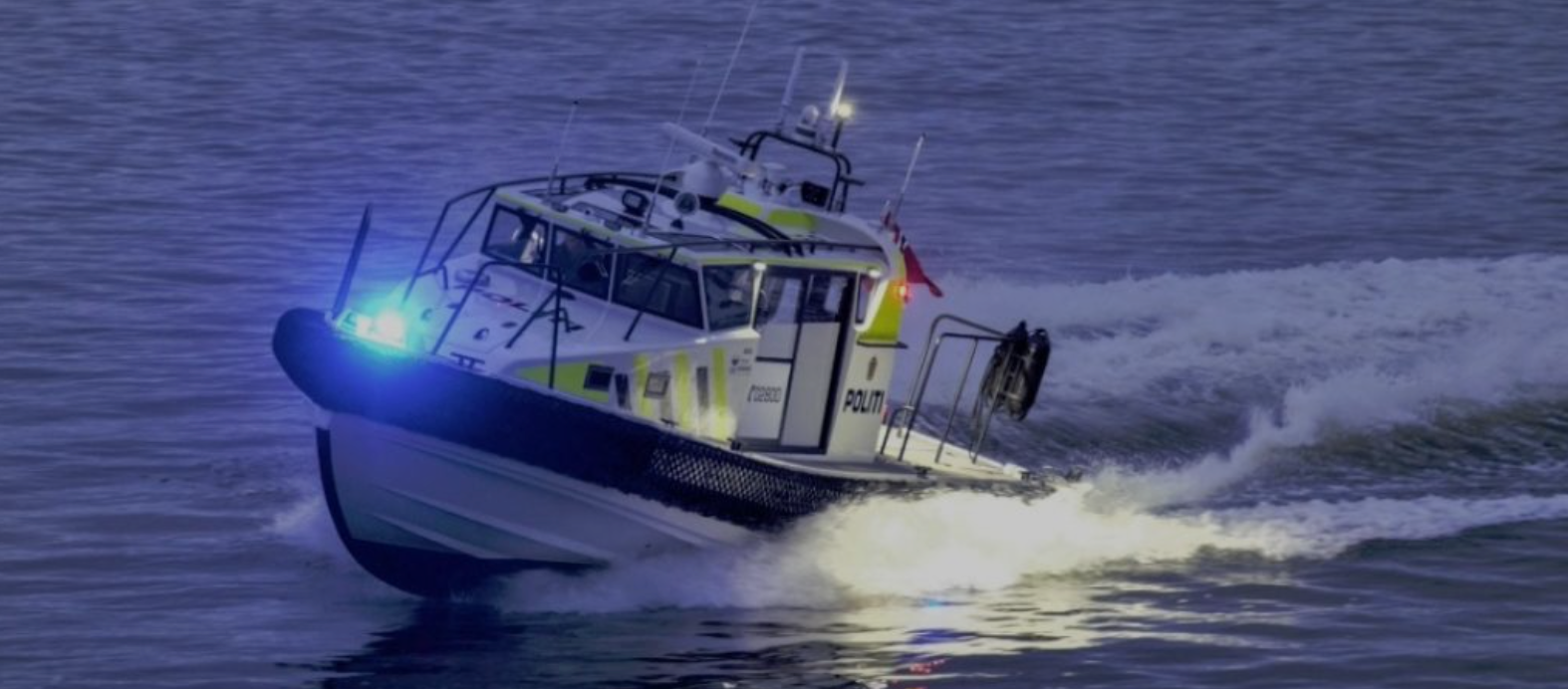
An impressive new Norwegian Police patrol boat benefits from a state-of-the-art navigation and communications package from Raymarine.

Viking Life-Saving Equipment A/S has carved out a niche for itself as a trusted and influential supplier of maritime safety solutions. The acquisition of the Norwegian lifeboat manufacturer Norsafe in 2018 further bolstered Viking’s reputation and market presence; and this expansion was rewarded when Viking Norsafe secured a contract from the Norwegian police the following year to construct a new patrol boat, winning out over five other boatbuilders in the process. The 12m vessel, a Viking Norsafe Munin S1200 Pilot is laid out to maximise its suitability for police patrol and law enforcement duties in the area encompassing the 38 municipalities between Gardermoen and the Swedish border.

A key aspect of the vessel’s fit-out is an extensive, state-of-the-art navigation and communications package from Raymarine. “Several meetings were held between police representatives and senior technical personnel from Viking Norsafe to look at different setups,” remembers Eirik Møllergaard, Senior Sales Manager, Defence & Professional at Viking Norsafe. “A number of different suppliers were evaluated, and it was decided to move forward with the complete package solution offered by Raymarine’s Norwegian sales team.”

Mr Møllergaard highlights a combined emphasis on reliability and versatility in the decision to adopt the Raymarine solution. “The Norwegian Police selected this specific configuration due to the extensive variety of uses and conditions their Munin S1200 Pilot will be expected to handle. When working in a variety of sea states, stretching from the River Glomma all the way out to Skagerrak, they need equipment with proven capabilities and the flexibility to cope with both day and night operations.”

The Munin’s helm integration is based on a full navigation suite that centres around Raymarine’s Axiom multifunction display system. Two glass bridge Axiom systems have been installed and integrate seamlessly with the extensive inventory of Raymarine electronics that have been installed to deliver superior visual navigation for a variety of different situations.

Clear vision for both day and night-time operations, safety and situational awareness at night is optimised with FLIR thermal camera technology, capable of detecting other vessels or obstacles within a 360° radius of the police boat.

The magnitude and scope of this equipment delivery for the boat inevitably begs the question of whether the installation and commissioning process was complicated and time-consuming; but Eirik Møllergaard observes that the procedures went very smoothly. “The support provided by Raymarine’s Norwegian team made all the difference,” he remarks, “both in terms of sharing information and supporting Viking Norsafe’s work. This support, combined with the manuals and the straightforward design of Raymarine’s plug-and-play systems, ensured a time-efficient and safe installation.”

Mr Møllergaard is pleased to report that the Raymarine solution has been well received. “We are in close contact with the Norwegian Police,” he says, “and their feedback has been positive. Based on this feedback, Viking Norsafe is now offering the same package to several other professional users. We see the delivery to the Norwegian Police as an important milestone; a validation of the products we recommend and their proven capabilities from one of the key professional users in Norway.”

November 12, 2020 0 comments
0 FacebookTwitterPinterestEmail
Asia and Norway

Norwegian doctor Bjørn-Inge Larsen betraying medical ethics at WHA

by Geir Yeh Fotland November 12, 2020
written by Geir Yeh Fotland

The World Health Assembly (WHA) is the decision-making body of World Health Organization (WHO). According to its website; The main functions of the World Health Assembly are to determine the policies of the Organization, appoint the Director-General, supervise financial policies, and review and approve the proposed programme budget. The Health Assembly is held annually in Geneva, Switzerland.
It doesn´t say the main functions are health related. WHA is a political assembly.


The 73rd World Health Assembly is held November 9 – 14, 2020 in Geneva. On obstruction efforts from Chinese Communist Party (CCP) in China, Taiwan was not invited to join the sharing session on the COVID-19 pandemic. Bjørn-Inge Larsen of Norway is chairing the meetings, On November 11th, delegations from the United States, Japan and 11 diplomatic allies of Taiwan all spoke up at the virtual meeting, lobbying the WHO to allow its participation as an observer of the World Health Assembly, given the self-ruled island’s success in stopping the spread of the disease.

Garrett Grigsby, director of the Office of Global Affairs at the U.S. Department of Health and Human Services said:
– It is counterproductive to block Taiwan from joining the meeting in the capacity of an observer, as the island has achieved remarkable results in its fight against the pandemic, Countries facing a new wave of infections would benefit greatly from learning about Taiwan’s prevention and control work.

Japan´s representative said:
– It is difficult for any single country to deal with the pandemic on its own. Information should therefore be exchanged among regions, particularly with those places which managed to rein in the coronavirus, such as Taiwan. No geographical gap should be allowed in global public health.

When the delegate from Eswatine in his speak mentioned that the WHO had excluded Taiwan from joining the meeting, Bjørn-Inge Larsen just switched off the live screening and said:
– Speakers are not to discuss observer issues.

When Palau in a pre-recorded video, expressed hope that Taiwan could join the WHO meeting as an observer and be able to share its successful anti-outbreak experience, Dr. Larsen felt pressured by the WHO secretariat to end the live broadcast.

Chen Chien-jen is a Taiwanese epidemiologist and politician. Chen served as Minister of Health from 2003 to 2005, effectively managing the SARS epidemic through quarantine and screening procedures, despite Taiwan’s membership in the World Health Organization was blocked by then Gen. Dir. Gro Harlem Bruntland (former Norwegian Prime Minister) by press from CCP. Chen is credited with reforming the National Health Insurance program to include a health card to register when seeing a doctor or dentist and when buying medicine or face masks. On 20 May 2016. Chen took up his post as Vice President. Thanks to his experience from the SARS epidemic, Taiwan knew how to deal with coronavirus going astray in China and could react in December 2019 before any other countries. On May 20th , 2020 he stepped down as Vice President to help Taiwan solve the Covid-19 pandemic. Only seven have died with Covid-19 in Taiwan where there has not been any local corona infection since April 12 this year, more than half a year ago. Taiwan offers help to Norway which refuses support. Photo credit Geir Yeh Fotland

The whole world is affected by Covid-19. The pandemic could have been less by including experienced experts from Taiwan.

The WHA Covid-19 response in May 2020 says
– Recognizing the need for all countries to have unhindered, timely access to quality, safe, efficacious and affordable diagnostics, therapeutics, medicines and vaccines, and essential health technologies, and their components, as well as equipment, in order to mount the COVID-19 response.
This is neclected by CCP of China including the government of Norway by manipulating the “one China” principle to hinder the Taiwanese people’s right to health.

Bjørn-Inge Larsen´s wife is also a medical doctor. She is the chair of the Clinical Ethics Committee (KEK) and chief physician in infectious diseases at Oslo University Hospital. But for Dr. Larsen, politics is more important than medical ethics and solving infectious diseases.

Information credit:
https://hk.appledaily.com/…/V7HRQYADOVBZ3KT3WDQ5SBW744/

Geir Yeh Fotland, Taiwan reporter, formosa1951@gmail.com

November 12, 2020 0 comments
0 FacebookTwitterPinterestEmail
Srilanka and Norway

Norwegian ambassador to Sri Lanka

by Nadarajah Sethurupan November 12, 2020
written by Nadarajah Sethurupan
November 12, 2020 0 comments
0 FacebookTwitterPinterestEmail
Defence

Rubber tracks to Norwegian armoured combat support vehicle

by Nadarajah Sethurupan November 11, 2020
written by Nadarajah Sethurupan

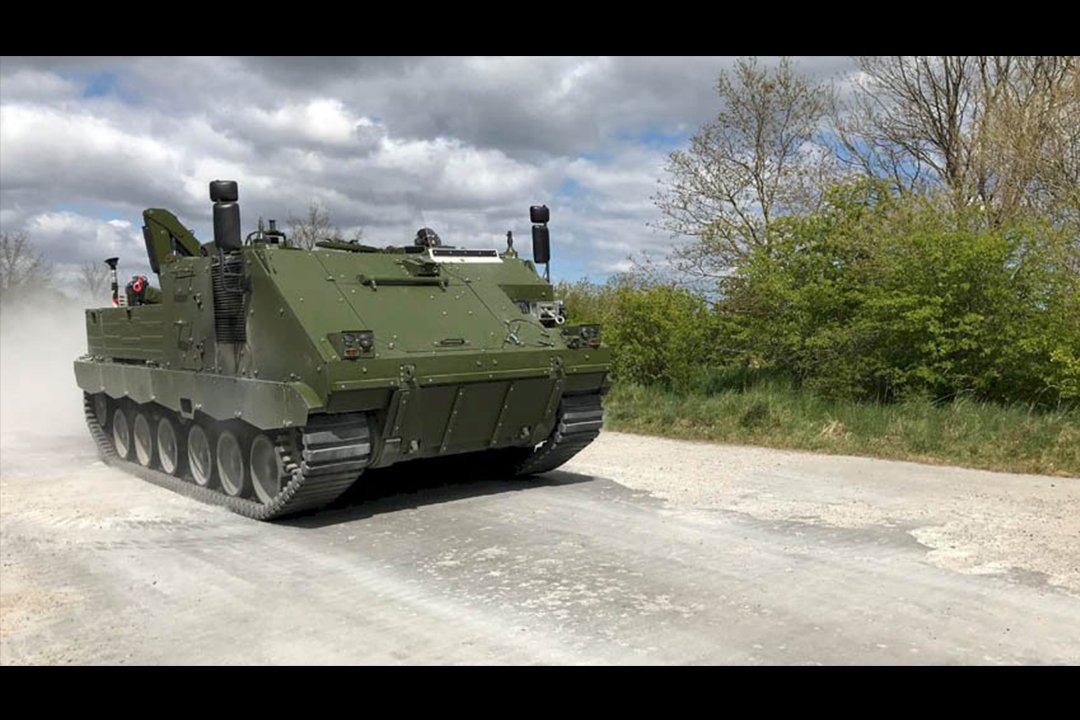
Soucy International Inc., Defense Division, has been awarded the $7.5M contract to manufacture and deliver Composite Rubber Track (CRT) systems for the Norwegian Defence Materiel Agency’s (NDMA) Armoured Combat Support Vehicle (ACSV).

In May 2018, as part of the Norwegian Armed Forces logistic and support vehicle recapitalization program, Flensburger Fahrzeugbau Gesellschaft (FFG) won the tender to manufacture and supply ACSV’s to the Norwegian Army. FFG proposed to base the ACSV around their current PMMC G5 vehicle.

The ACSV is a 26-tonne tracked platform with the capacity to transport freight goods containers weighing up to 6 tonnes. It has container mounts to accommodate both 6.5- and 10-feet freight containers and in conjunction with the increased durability and low maintenance attributes of CRT can enhance the militaries battlefield logistical reach. The reduced vibrations enabled by the integration of CRTalso aids in the protection of sensors and electronics located on other military equipment such as radars which may also be mounted the ACSV’s stable framed platform. Due to the ACSVs open and closed hull configurations, it can be adapted in the closed configurationto house a command centre or ambulance. (Casualty evacuation) The ACSV can be adapted to a wide range of operations including domestic disaster relief and international peace support missions.

About CRT Tracks

• Increased durability over conventional steel tracks.
• Reduced vibration (up to 70%), noise (up to 13dB), thermal signature, braking distance, vehicle weight (up to 50%) and fuel consumption (up to 30%).
• Reduced vehicle crew fatigue.
• Significant reduction in life cycle costs and virtually maintenance free.
• Elimination of damage to infrastructure.

November 11, 2020 0 comments
0 FacebookTwitterPinterestEmail
Svalbard

Svalbard’s Mysterious Disappearing Shipwrecks

by Nadarajah Sethurupan November 11, 2020
written by Nadarajah Sethurupan

When Øyvind Ødegård set out last June to scour the seafloor near Svalbard—a vast, ice-covered Norwegian archipelago halfway between continental Norway and the North Pole—he had a dream.

A marine archaeologist at the Norwegian University of Science and Technology, Ødegård has worked for decades to protect Norway’s underwater cultural heritage—the shipwrecks and other artifacts that lie, for most archaeologists, literally out of sight and out of mind. His dream was to discover, in these Arctic waters, wrecks that might rival those of the Franklin Expedition, found in Canada’s high Arctic in 2014 and 2016. Those ships, the HMS Erebus and HMSTerror, were so well preserved that after 170 years, divers found individual hairs entangled in combs.

The bitterly cold water in the Arctic Ocean was thought to keep shipwrecks safe—but that may not be the case. Photo by Zuri Swimmer/Alamy Stock Photo

Ødegård had reason to dream big: from the 1600s onward, thousands of European whaling vessels ventured to Svalbard to exploit its bowhead whale population, and at least 600 never left. Instead, they were entombed in crushing sea ice or sunk by rival fleets. Finding them could cast new light on an underexplored part of European history.

“Most European Arctic history from this period happened on ships, not land,” says Ødegård. “The only physical remains that can tell us a story about these lives will come from wrecks.”

Ødegård set off aboard the Arctic University of Norway’s (UiT) R/V Helmer Hanssen last summer, with the aim of finding Dutch ships sunk by the French in the 17th century. Using historical reports made to France’s King Louis XIV, Ødegård and his team pinpointed promising spots. But when they deployed underwater drones for a closer look, they not only failed to find Franklin-esque wrecks—they found nothing at all.

The absence suggested an awful possibility: the wrecks—which no one had attempted to find in the past—had been there, but had vanished. The suspected culprit? Shipworms, one of the world’s most voracious destroyers of underwater heritage.

Not a worm at all, shipworms are tunneling, tube-shaped mollusks that thrive on cellulose. A sizable infestation can destroy a sunken ship in just a few years, exposing to the elements the trove of historical treasures contained inside, from human remains to archaeological artifacts.

Shipworms have long been a recognized archaeological threat, but before 2016 no one realized they could endanger the abundant but unexplored wreckage sprawled across the Arctic seafloor, where it was assumed to be far too cold for them to thrive. That year, however, UiT marine biologist Jørgen Berge led an expedition (which also included Ødegård) to the water off Svalbard to investigate a Norwegian melbet whaler called the Figaro, the world’s northernmost-known wreck. The Figaro appeared in good shape. But during the expedition, the team also hauled up a seven-meter tree trunk riddled with live shipworms.

The idea that shipworms may be threatening Arctic wrecks was reinforced in 2019 when Ødegård’s team found boreholes in wood collected from Svalbard beaches. A closer inspection of the Figaro also turned up previously missed evidence of shipworm infestation.

Taken together, the findings suggest that underwater heritage in Svalbard—and perhaps across the world’s northern oceans—may not simply be lying in situ, cleanly preserved and waiting to be discovered. They also raise new questions about the role that ocean currents and climate change may be playing in bringing warm water masses into the Arctic and subarctic. Researchers aren’t sure whether the shipworms found in 2016 were a southern species that’s moved north, or an all-new species that thrives in colder waters—genetic sequencing is underway.

“There’s an imminent need to explore more widely,” says Berge. “If [wrecks] are already in the process of being eaten up, we may already have lost our chance to learn from them.”

Ødegård is now planning to collaborate with other researchers to get a better handle on the shipworm situation in the western Arctic. Matthew Ayre, a climate historian at the University of Calgary in Alberta, hopes to work with Ødegård—once the COVID-19 pandemic permits—to locate wrecks near Greenland, and assess the shipworm threat there.

“Shipworms are around Svalbard at the moment,” says Ayre, “but will they move elsewhere with warming water? This heritage is so remote that very little work has been done, so we really don’t know.”

Ayre’s work hasn’t typically focused on wrecks. He studies captains’ logbooks, which provide the most comprehensive and consistent descriptions available of 19th-century Arctic sea ice and weather. The data is used to create a more complete picture of the historical Arctic climate, and improve future climate modeling. But after finding the Nova Zembla, a Scottish whaling wreck, near Baffin Island, Nunavut, in 2018, he had his eyes opened anew to the importance of material artifacts.

“That has really diverted my work,” he says. “I look now not just at the climate stuff but also the whalers’ legacies on Baffin Island, and it’s really catalyzed conversations there about this history and the relationship between Inuit and whalers.”

Last June’s Helmer Hanssen voyage also included Maxime Geoffroy, a researcher in marine ecology at Newfoundland and Labrador’s Memorial University. He and Ødegård intend to go fishing for shipworms in Geoffroy’s own backyard, off the coast of Labrador. The plan is to obtain logs of the same tree species used to build whaling ships, weigh them down with chains, and sink them 50 meters. After a year, they’ll be hauled up and examined.

Geoffroy explains that while the conditions off Labrador may be very different from those off Svalbard, this kind of pan-Arctic effort may be needed to complete a truer picture of the threat shipworms pose in colder waters.

For Ødegård, finding these material remains before it’s too late is critical to bringing to life a story more resonant today than ever.

“European whaling was one of the first human-induced ecological catastrophes,” he says. “The massive scale of harvesting, with so little contemplation of the effects, is a very important story to tell, and it’s much easier to make the history relevant to people when you can almost go down to the level of individual lives, look at specific questions, and put as much flesh on those bones as possible.”

But only, of course, if those bones are still there.

November 11, 2020 0 comments
0 FacebookTwitterPinterestEmail
Crimes

Border police finds 11 migrants in trucks

by Nadarajah Sethurupan November 10, 2020
written by Nadarajah Sethurupan

Two groups with a total of 11 migrants from Afghanistan have been discovered by the authorities when they were trying to leave the country illegally, being hidden in two cargo trucks that were heading to Germany and Norway, according to Media.

Both trucks have been checked in the last 24 hours at the Nadlac II border crossing point.

According to a press release sent on Tuesday by the Arad Border Police, the first truck hiding migrants was driven by a 49-year-old Romanian. He was transporting, according to the documents accompanying the goods, electric cables on the Romania-Germany route.

“Following the specific risk analysis, the border police officers carried out a thorough control of the means of transport. They discovered thus that seven people were hidden inside the cargo truck, in the cargo compartment. During the preliminary checks, the border guards established that “there are four minors aged between 16 and 17, from Afghanistan, and three adults aged between 18 and 29,” read the release.

The second truck was driven by a 38-year-old Turkish citizen who was transporting textiles on the Bulgaria-Norway route. In the cargo compartment, border guards discovered four Afghan citizens, aged between 16 and 18.

All migrants are asylum seekers in Romania and said they intended to reach Western European countries. They are being investigated for attempting to cross the state border illegally, while the drivers are being investigated for migrant smuggling.

The number of migrants caught in the first ten months of the year trying to cross the border illegally to Hungary, through the Arad County, is 2.3 times higher than in the same period last year, the representatives of the Arad Border Police told AGERPRES on Monday.

From the beginning of the year until the end of October, 759 migrants were caught trying to cross the border illegally to Hungary, the vast majority, respectively 672, being caught at the Nadlac II border crossing point. Last year, 325 migrants were caught in the same period.

November 10, 2020 0 comments
0 FacebookTwitterPinterestEmail
Environment

Norwegian government to Supreme Court over Arctic oil

by Nadarajah Sethurupan November 10, 2020
written by Nadarajah Sethurupan

Youth activists and environmentalists will face the Norwegian government in the Supreme Court over oil drilling in the Arctic. The climate court case, also known as The People vs. Arctic Oil, could outlaw new oil drilling in the Arctic and set a precedent for similar climate cases all over the world.

“Opening up the Arctic for oil drilling in the time of climate emergency is unacceptable, and the Norwegian government must be held accountable. We hope and believe that the Supreme Court will acknowledge the Norwegian State’s substantial impact on the climate crisis and judge the Arctic oil licenses invalid”, said Frode Pleym, head of Greenpeace Norway.

Greenpeace Nordic and Young Friends of the Earth Norway sued the Norwegian government for opening up the Arctic for oil drilling in 2016. The organisations state that the new oil licences are in violation of the Norwegian Constitution, which establishes the right to a healthy environment and the duty of the government to safeguard this right for future generations.

The co-plaintiffs are backed by the interveners Grandparents’ Climate Campaign and Friends of the Earth Norway, and have been supported by legal submissions written by, among others, the UN Special Rapporteur on Human Rights and the Environment.

One week prior to the hearing in the Supreme Court, a political scandal unfolded in Norway. Through the climate lawsuit it was revealed that the government had withheld a secret report from the Parliament showing that oil drilling could generate huge economic losses for Norway. The government already knew in 2012 that exploration might be unprofitable, but neither the taxpayers nor the Parliament were let in on the secret, therefore the Parliament approved the opening of new oil fields without key information.

Even though the Court of Appeal ruled in favour of the State in January 2020, the judgement already then contained important victories for the organisations. The court ruled that the Constitution does grant a right to a healthy environment and that the scope of Norway’s responsibilities includes the environmental harm caused by emissions from Norwegian oil burned abroad.

Contrary to its otherwise green image, Norway is the seventh biggest exporter of climate-wrecking emissions on the planet, and the country has more active oil fields now than ever before.

“It is obvious that Norway has a responsibility not to produce more oil and gas than what the climate can take. To explore for more oil and gas is to torpedo future generations chances of growing up in a healthy climate”, said Therese Hugstmyr Woie, head of Young Friends of the Earth Norway.

The judgement is expected in December 2020 or January 2021. The exact date for the judgement will most likely be announced on the last day of the Supreme Court hearing, on 12 November.

* More information on the report withheld by the Norwegian government here

* Greenpeace International https://www.greenpeace.org/international/

November 10, 2020 0 comments
0 FacebookTwitterPinterestEmail
Politics

Prime Minister met head of European Commission

by Nadarajah Sethurupan November 10, 2020
written by Nadarajah Sethurupan

Green transformation and the COVID-19 pandemic was the key topics at the meeting between Prime Minister Erna Solberg and President of the European Commission, Ursula von der Leyen, today.

European cooperation is essential to our efforts to address the major challenges we are facing, from how to encourage green transformation to how to respond to the COVID-19 pandemic, said PM Solberg.    

Norway is part of European cooperation through the EEA Agreement, the Schengen Agreement and a wide array of other agreements. The meeting provides an opportunity to discuss issues of importance to Norway.

Cooperation with the EU is vital to promoting and implementing the transition to a greener economy in Norway. We will be a partner in the European Green Deal, and we will work closely with the EU to follow up the Paris Agreement and the UN Sustainable Development Goals.  

The EU has significantly strengthened cooperation in the area of health in order to combat the COVID-19 pandemic. ‘Cooperation with the EU plays an extremely important part in Norway’s national response to the pandemic, both in terms of the acquisition and distribution of vaccines, and in terms of the exchange of experience and mutual assistance,’ Ms Solberg said.      

– In a rapidly changing world, it is important that European countries work together and show solidarity for each other. It also means that we must stay true to our principles and defend our fundamental values, such as democracy and the rule of law, here in Europe as well. We discussed what Norway can do to support the Commission’s efforts in this area, said the Prime Minister. 

November 10, 2020 0 comments
0 FacebookTwitterPinterestEmail
Crimes

Norway opens cyber resilience centre

by Nadarajah Sethurupan November 9, 2020
written by Nadarajah Sethurupan

Norway will open a maritime cyber resilience centre at the beginning of 2021, just as shipping needs to demonstrate cyber risk management within ship safety documentation.

Norwegian Shipowners’ Association will collaborate with Norwegian Shipowners’ Mutual War Risks Insurance Association (DNK) to form the Norwegian Maritime Cyber Resilience Centre (Norma Cyber).

This will become operational from 1 January 2021, supporting operators of thousands of ships, offshore support vessels and drilling rigs.

This is the same date IMO’s requirements for cyber security within ship safety management systems comes into force. From January 2021, vessel operators will be obliged to demonstrate cyber risk management documentation to port state control officials.

Norma Cyber will support these vessel operators, providing a range of cyber-security services to members of the Norwegian Shipowners’ Association and DNK.

It will have an advanced operating room and offices in the Shipowners’ Association building in Oslo, staffed with experts in cyber security and vessel systems.

They will co-operate with the existing safety and emergency response community in DNK and the Shipping Association to support 420 Norwegian shipping companies that operate more than 3,400 ships and offshore drilling and support rigs.

Norwegian Shipowners’ Association chief executive Harald Solberg said Norma Cyber will be the first of its kind in the world. “The capacity we are now building is both innovative and important,” he said. “We are committed to ensuring that our industry continues its innovation efforts where digitalisation is essential for sustainable development,” Mr Solberg explained.

“But, on the other hand, we must address the security aspects of new technology with the necessary expertise and quality. We do our best by pooling our resources in a joint effort against cyber threats,” he said.

DNK has dealt with several cyber incidents in maritime. As a result, it has stepped up to meet the cyber threat with even greater force, said DNK chief executive Svein Ringbakken.

“We have seen several examples of cyber attacks both nationally and internationally, and the shipping industry is also heavily exposed to risk,” he said.

November 9, 2020 0 comments
0 FacebookTwitterPinterestEmail
Norwegian Aid

Central Vietnam province pledged over $10 Mln

by Nadarajah Sethurupan November 8, 2020
written by Nadarajah Sethurupan

Two international organizations have committed $10.6 million to clear explosives and mines in Quang Binh Province, a former Vietnam War battleground.

Norwegian People’s Aid (NPA), a Norway-based organization working to provide post-conflict reconstruction assistance and humanitarian relief during conflicts, provided $5.6 million for Quang Binh to carry out two landmine clearance projects.

The first project, costing $1.6 million, aims to implement a database information system for mine clearance and analysis at provincial level.

The remaining $4 million will be spent to survey traces of wartime cluster bombs across Quang Binh Province to ensure safe clearance procedures.

NPA started providing mine clearance support in Quang Tri, a war-ravaged province also in central Vietnam, during 2008 and has helped clear 70,000 tons of unexploded ordnance.

PeaceTrees Vietnam, an NGO based in the U.S. that works to clear leftover explosives, donated $5 million toward cleaning up bombs, mines and other ordnances to reduce the risk of casualties and support local communities affected by the war.

Authorities in Quang Binh on Thursday said Prime Minister Nguyen Xuan Phuc approved all three projects, to complete by May 2025.

Quang Binh had suffered severe bombing by U.S. aircraft and warships during the Vietnam War (1954-1975).

According to statistics by the Ministry of National Defense’s Technology Center for Bomb and Mine Disposal and the Vietnam Veterans of America Foundation, nearly 225,000 ha of land across Quang Binh was contaminated by unexploded ordnances (UXO). Landmine or UXO accidents have claimed more than 2,930 lives in the province.

Vietnam is one of the most heavily contaminated countries in the world when it comes to explosives. Between 1945 and 1975, during two wars with French and American invaders, more than 15 million tons of explosives were dropped on Vietnam; four times more than the amount unleashed during World War II, according to the Vietnam National Mine Action Center.

With support from the international community, Vietnam is clearing an average 40,000-50,000 ha per year, though it may still take up to 100 years to rid the country of this deadly legacy.

November 8, 2020 0 comments
0 FacebookTwitterPinterestEmail
Diplomatic relations

Prime Minister Erna Solberg congratulates Joe Biden

by Nadarajah Sethurupan November 8, 2020
written by Nadarajah Sethurupan

‘On behalf of the Norwegian Government, I would like to congratulate Vice-President Joe Biden on his election victory. The US is Norway’s most important ally and we work closely together in many areas. I look forward to developing the cooperation with the US further under Mr Biden’s leadership,’ said Prime Minister Erna Solberg.

The US election has been a very close race. The election campaign leading up to it was difficult, and was made more so by the pandemic.

‘The world needs the leadership of the US to help solve the major global challenges it is facing. We look forward to a fruitful collaboration with the Biden administration, in the UN Security Council and in the international efforts to combat the coronavirus pandemic and mitigate climate change, among other things. We are glad to note that Kamala Harris becomes the first female Vice President of the United States.

‘The record voter turnout is a positive affirmation of democracy. Now it is important for the presidential candidates to lead by example in the process of uniting and reconciling a divided society. Acknowledging defeat in the election is an important step in that process,’ said Ms Solberg.  

The Norwegian Government’s primary aim is to safeguard Norway’s interests. The US is important for Norwegian security, our economy, and for Norwegian jobs. 

‘We have maintained close cooperation with the US throughout different presidencies and administrations and successive Norwegian governments. We look forward to establishing a dialogue with the new administration, and to continuing to further develop and strengthen our longstanding tradition of excellent transatlantic cooperation,’ said Ms Solberg.  

November 8, 2020 0 comments
0 FacebookTwitterPinterestEmail
Farming

Norwegian salmon exports hit record level

by Nadarajah Sethurupan November 7, 2020
written by Nadarajah Sethurupan

Norway exported 120,000 tonnes of salmon during October. Converted into whole fish, the volume was 138,674 tonnes which is the highest export volume yet for a single month.

Low prices meant the value at NOK 6.5 billion (£527 million) fell by NOK 124 million (£10.1m), down two per cent compared with October last year. The export price per kg was NOK 48.57 (£3.96), six per cent lower than the same month last year.

Norwegian Seafood Council analyst Paul T. Aandahl said the Asian and Israeli markets suffered the most from reduced volumes, the latter affected by increased competition from Chile.

Sales were also affected by continuing reduced demand from the restaurant sector. So far this year, Norway has exported 920,000 tonnes of salmon worth NOK 58.3 billion (£4.75 billion), the same volume as a year ago, while the value fell by NOK 522 million (£42.6 million) or just under one per cent.

Farmed trout exports rose again last month to 7,100 tonnes, up by six per cent in volume. The value at NOK 371 million (£30 million) is running at the same level. Belarus, Japan and Ukraine remain the largest markets for Norwegian trout.

So far this year, 60,000 tonnes of trout worth NOK 3.2 billion (£260 million) were sold abroad. This represents an increase in volume of 27 per cent, while the value increased by NOK 275 million (£22.43 million), or nine per cent.

The Seafood Council said that despite a challenging month overall exports remain at a high level.

The total, including white fish such as cod and haddock and pelagics like herring and mackerel totalled NOK 10.4 billion (£852 million), down five per cent on a year ago. Nevertheless, the figure is the third highest value yet for a single month.

November 7, 2020 0 comments
0 FacebookTwitterPinterestEmail
Politics

OSCE report confirms serious human rights violations in Belarus

by Nadarajah Sethurupan November 6, 2020
written by Nadarajah Sethurupan

“Massive” rights abuses and torture in Belarus have been condemned by an election-monitoring organisation with calls for a rerun of the country’s August presidential polls in which President Alexander Lukashenko claimed victory.

A report looking into the election and subsequent crackdown by authorities, published by the Organization for Security and Co-operation in Europe (OSCE) on Thursday, said human rights abuses “were found to be massive and systematic and proven beyond doubt”.

The United States Mission to the OSCE has been talking to Belarus all year about trying to do a joint ministerial decision and a joint program on trafficking in persons. We think that this is a way to really help people who are victims in Europe of human trafficking. And Belarus and the United States have been talking about this for a long time, and there’s no reason why we can’t find ways to work together with a country without tolerating the horrible misbehavior that is going on. Let’s clean up the misbehaviour, do constructive things, and then work together for a better Europe and Asia said Ambassador James Gilmore III U.S. Ambassador to the Organization for Security and Cooperation in Europe (OSCE).

Below is a full rush transcript of the press conference by Ambassador James “Jim” Gilmore III U.S. Ambassador to the Organization for Security and Cooperation in Europe (OSCE) And George Kent Deputy Assistant Secretary, Bureau of European and Eurasian Affairs, U.S. Department of State.

Ambassador Gilmore:  I am the United States Ambassador to the Organization for Security and Cooperation in Europe.  As the listeners on the line know, that organization is headquartered in Vienna, Austria, and I am speaking to you today from Vienna, Austria.  It’s now 3:00 p.m. Vienna time.  I’m joined on the call by George Kent, a Deputy Assistant Secretary of State, and we’re looking forward to an opportunity to answer your questions and give you a sense of what has happened in this important, news-worthy event.

On September 17 of this year, of last year, the United States joined 16 other states of the OSCE in invoking the Moscow Mechanism.  This is a move that has precedence within the rules of the OSCE.  It gives the member-states an opportunity to invoke an independent investigation.  This happened, of course, because of the reports of the terrible abuses and the election violations and the fraudulent election which took place in Belarus, and then the substantial human rights violations that have occurred after that.  So this is invoking an independent investigator to look into the serious allegations of human rights abuses in Belarus.  

The mandate provided was a pretty substantial mandate.  It reflected the scope and severity of the human rights violations.  Yesterday, on November the 5th, the report was made public, and you can find that on the OSCE webpage, osce.org.  It’s an extensive and thorough investigation of what happened in Belarus and what is going on right now, and it’s perfectly clear from the findings of the Moscow Mechanism report that everybody had a right to be concerned.

The report from the Mechanism rapporteur is an exceptionally well-documented report.  It’s – the independent investigator, he was denied the ability to go to Belarus but he did have plenty of information and witnesses and people that he could speak to about the reality of what happens.  And the report finds that on August 9th, the presidential elections in Belarus were, quote, “neither free nor fair” and that the Belarus authorities have engaged in sustained and systematic violations and abuses of the human rights and fundamental freedoms of the Belarusian people.

Now, the report is pretty detailed and it’s frankly very shocking that this kind of behavior would happen in a country on the European continent in the 21st century.  And these abuses are – have credible reports of torture, arbitrary detention on a mass scale, expansive restrictions on the rights of peaceful assembly and freedoms of expression and association.  In fact, the report is very detailed about the threats against people, women being threatened with rape, threatened – the family members being threatened that their children would be taken away, physical abuse, attacks on people, people putting – throwing people into prison in inhumane conditions, all for the purpose of trying to discourage the development of legitimate democracy in Belarus at this point.

The U.S. is going to continue to work with our European partners and keep a spotlight on this, on the ongoing human rights abuses in Belarus.  Now, just a few hours ago, I joined several European OSCE ambassadors and met with the Belarusian opposition leader in exile Sviatlana Tsikhanouskaya.  She is here in Vienna and met with several countries that are very prominent in the invoking of the Moscow Mechanism.  

Now, Sviatlana provided a firsthand account of the abuses that people are suffering.  The United States is going to continue to support the Belarusian people as they press for their voices to be heard and for their rights to be respected, including their demands for free and fair elections, which is fundamental on the European and Eurasian continent in the 21st century.  Free and fair elections under international observation and the release of all political prisoners, stealing away and abducting political prisoners without charge and without a legitimate, real law to support it, is an act of domestic terrorism which is intended to try to clamp down on the emerging democracy in a place like Belarus.

DAS Kent:  Thank you, Ambassador.  And since this is a week of elections, I can also say, Governor, having proudly voted for Governor Gilmore back when he ran for my governor of my state of Virginia.

Our policy towards Belarus – to sort of put the context of what Ambassador Gilmore just shared related to the Moscow Mechanism report and the findings therein, the U.S. policy towards Belarus is to support a sovereign, independent, prosperous, and democratic country, and that hasn’t changed.  We believe that the Belarusian people deserve the right that is guaranteed to them in their own constitution, the founding principles of the OSCE, the Helsinki Final Act, and the UN Charter: to choose their leaders in a free and fair election, subject to independent observation.

The United States supports the aspirations of the Belarusian people and the principles that are contained within the Helsinki Final Act, and that includes – and our programs and policies towards Belarus are based on that.  That would include a free and independent media; support and assistance to Belarusians who have been forced to flee abroad to escape the persecution that Ambassador Gilmore and the Moscow Mechanism report detailed; as well as the development of an independent and thriving society.

When there are abuses, such as the ones that the report details, the U.S. works with partner and allied countries to hold those who violate fundamental human rights and undermine the integrity of elections to account, and that includes by sanctioning those individuals.  And the U.S. as well as other countries have added a series of names to sanctions to try to show that we take those founding principles seriously.

At the same time, we continue to call for dialogue between Belarusians, and this also a recommendation in the report, but this has been our policy from the very beginning.  Ultimately, while we’re all concerned about what happens in Belarus, the fate of Belarus should be determined by Belarusians, not by outsiders.  And as U.S. officials have said repeatedly over the last several months, Belarus is for Belarusians to decide.  This is not an issue between East and West.  It’s not an area of competition between the United States and Russia.  This is for Belarusians to decide.  We believe that the OSCE has a role to play in fostering and facilitating a dialogue, but really, that needs to be a dialogue between Belarusians.

Question:  First is to Deputy Assistant Secretary Kent.  I remember that last year it was a very well serious effort to establish better relations with Belarus for a year but for at least two and a half years, and you were with Mr. Kravchenko at the same table.  So do you think that the U.S., USA still will send an ambassador to Belarus or this process will be halted for some time?

There are a great scale of human rights abuses, and some people in human rights organizations say that Europe and the United States, not enough sanctioning Lukashenko for that.  Do you expect any new sanctions towards the regime? 

DAS Kent:  President Trump nominated a career diplomat, Julie Fisher, a friend and colleague, to be our first ambassador in Belarus since 2008, when Lukashenko sent our ambassador home and reduced the size of our mission.  Julie Fisher received a positive vote out of the Senate Foreign Relations Committee, but under our system, there has to be a full vote of the U.S. Senate and that final conformation vote has not yet been scheduled.  

So the – we are still waiting and hoping that the Senate will confirm the nomination of Julie Fisher, but at this point we’re uncertain about the timing and so any discussion of what would happen after, if we have a confirmed ambassador, at this point is premature.  But we do believe that is important to continue to strengthen our relations, even when there are difficult times such as these in the domestic situation in Belarus.  But there has been no final decision because until we have a decision of the U.S. Senate, there’s no decision to make.  

Ambassador Gilmore:  Well, thank you very much for coming on the line and issuing your question.  I want to emphasize that this is a major piece of news.  This is the OSCE, 17 countries, but really, the OSCE writ large has sanctioned the Moscow Mechanism approach.  It’s a way of conducting an independent investigation and reporting back to the member-countries of which, as we know, there are 57 in the OSCE.  The fact that they have invoked this, at this point, is big news.  The fact that the report says what it says is big news.  The fact that we would even do it is big news because there is a body of thought, particularly led by Russia and some other countries, that say, well, this is all an internal affair and it’s nobody’s business except the country – within the country itself.

This Moscow Mechanism stands for the principle that honest elections, free and fair elections, and not having abusing individual citizens, is a concern for all people in the civilized world.  And that is what the real news is.

Now, I don’t know if there’s going to be new sanctions or not.  That’s going to be a decision that’s going to be made by the administration, the Department of the Treasury, the Department of State, and other organizations as to whether or not there will be sanctions.  But the main thing for the Moscow Mechanism is not to produce a sanction; it is, in fact, to produce the truth and to establish the principle of what’s right and what’s wrong and whether or not torturing people and arresting people and abusing people is something that can just simply be continued to be carried on under cover of darkness on the European continent.  The Moscow Mechanism casts a light on this behavior, and then asks the conscience of the peoples of all these member-states to the OSCE as to whether this is really acceptable or not.  That is the purpose of it, but you have to first establish the facts and that is what the Moscow Mechanism has done.

One more small point that I’ll make.  Actually, the United States Mission to the OSCE has been talking to Belarus all year about trying to do a joint ministerial decision and a joint program on trafficking in persons.  We think that this is a way to really help people who are victims in Europe of human trafficking.  And Belarus and the United States have been talking about this for a long time, and there’s no reason why we can’t find ways to work together with a country without tolerating the horrible misbehavior that is going on.  Let’s clean up the misbehavior, do constructive things, and then work together for a better Europe and Asia.

Question:  If my memory doesn’t fail, that it’s very important for the United States to have a representative in Minsk addressing the issue of sending Ambassador Fisher to Minsk.  I just want to be clear.  Are you saying that the decision is not – has not been made yet as to whether you’re going to send her there or not?  if I may, is the Trump administration reconsidering its whole policy towards Belarus now in light of what’s been going on? 

DAS Kent:  As I said, and I’ll repeat my first sentence at the top, U.S. policy towards Belarus remains unchanged.  We support a sovereign, independent, prosperous, democratic country, and that has been the basis for our policy for the last several years and as we move towards having a more normal relationship with a full mission led by an ambassador.  

In our system, the Article I branch of our government, the Congress, takes its prerogatives very seriously.  And Article II branch of government officials – and Ambassador Gilmore and I are part of the Executive – can never presume or make pronouncements that would impinge on the rights of our Congress to make its decisions.  So that is why I stated my answer previously the way I did.  We cannot presume the Senate will vote in favor.  We hope that they will confirm Julie Fisher as the ambassador, but until they do, any comment would be speculative and inappropriate.  

So we look forward to the Senate confirming her and at that point, then we will move forward with our deliberations.

Ambassador Gilmore:  You’re a representative of TASS, which is a Russian news agency.  You speak directly to the Russian people.  My question to TASS is, will the Russian people read the Moscow Mechanism?  Will they understand what has occurred in Belarus?  And if they do, is that something that they wish to endorse?  And that is a question that I think remains outstanding that TASS, frankly, can help answer.

Question:  Who does the U.S. currently consider to be the legitimate leader of Belarus?  And secondly, the OSCE report calls on the U.S. rather, the international community to provide support to those who have had to flee Belarus.  How does the U.S. specifically intend to support these people?

DAS Kent:  In terms of how we support Belarusians who are forced to flee the country, there are a number of mechanisms and organizations that help people who flee countries that are seeking to unjustly put them in jail.  And so the – I’m not going to go through the – it’s a variety of organizations, but the U.S. has well-established ways of supporting activists who are forced out of their countries.  And so we will boost those efforts and programs to help them relocate and get restarted.

And in terms of legitimacy, I think it’s fair to say that we do not consider the election process on August 9th to have been free or fair.  The falsified results that were announced several days later cannot convey legitimacy on anyone, and therefore it is difficult for us to consider anyone claiming victory out of those August 9th processes to be legitimately newly elected as leader of the country.

Ambassador Gilmore:  Most everybody that has fled Belarus has fled to other neighboring countries in the European area that are granting them asylum or granting them safe shelter.  If these people were still in Belarus, they’d be arrested.  They would be tortured.  They would be abused.  I made a point in my statement the other day regarding another leader, Maria Kasnakova, Kolesnikova, who actually was arrested by masked people, thrown into an unmarked car, taken to the border with Ukraine, and attempted to be literally physically thrown out of the country.  She refused to do it, destroyed her passport, and since has disappeared.  Disappeared.  And we’ve called upon her to be released, all political prisoners.

So, it is not so much the U.S., although George is right: We are certainly in sympathy with free and fair elections and democracy.  But at the end of the day, we are casting a light upon these abuses in the hope that all of the conscience of Europeans will rally to the right thing.

Question:  The EU Council today approved personal sanctions against Alexander Lukashenko.  Will such sanctions be imposed by the United States? 

DAS Kent:  The U.S. actually imposed sanctions on Alexander Lukashenko in 2006, after a previous round of elections in which there was election falsification and violence.  So we welcome the EU announcement today.  The U.S. has had Alexander Lukashenko sanctions for election fraud and violence for the last 14 years.

Question:  Do you see the possibility of Russian intervention in Belarus like the Russian interventions in Georgia in 2008 and Ukraine in 2014?

Ambassador Gilmore:  You want to start, George?

DAS Kent:  This was a subject of discussion between Deputy Secretary Biegun and Russian Foreign Minister Lavrov when we visited in August, and certainly, we warned our Russian diplomatic colleagues that there would be consequences were Russia to intervene with troops, that this really was an issue for Belarusians to decide.  And I think that’s the appropriate approach: to warn of consequences if certain actions are taken.  There certainly has been no move in the last three months for Russia to move any troops in.  Russia did move its media, and one might say propaganda personnel, from Russia Today/RT into Belarus to take over the state broadcasting service after individuals who worked there were fired.  But to date, there has been no movement by Russian troops to intervene in the way as the questioner mentioned they did in Georgia in 2008 and they did in Ukraine in 2014.

Question:  I would have a more specific question to Ambassador Gilmore about a potential follow-up within the OSCE framework.  The report contains several recommendations to OSCE participating states and the international community, and I was wondering if there is any chance that any of these recommendations may be taken up and maybe there will be some concrete follow-up within the context of the OSCE given that there is also a ministerial council coming up in December ?

Ambassador Gilmore:  The Moscow Mechanism has placed on the record now what has happened.  It is continuing to cast a spotlight on the human rights abuses, on the dictatorial behavior, the improper behavior that has gone on.  The OSCE now has to absorb the Moscow Mechanism.  We just had a very major conference on it at the Permanent Council just yesterday.  So now I think that the member-states will need to determine what is the next step that needs to be followed in order to reassert the legitimacy of the way that we’re supposed to be doing business under the Helsinki Accords and the Final Act.

The question – to my way of thinking, Stephanie, the big – the big question is: What kind of future are we going to have in Europe?  Is it going to be a Europe where there’s really no real democracy and there’s really no real elections, and that control of a country will be done through its security forces or its army?  Or are we going to live, as we have lived now since 1976, under the Helsinki Accords and the Final Act, which establishes that people have the right not to be cruelly treated, to be abused; the people have the right to a legitimate democracy.  That, I think, is the real question that the Moscow Mechanism addresses based upon the behavior in Belarus.  And I think maybe there is still time for all the countries to state what’s right and wrong and to speak up on behalf of people everywhere in Europe.  

This is not a matter, as George Kent said, between the United States and Russia.  No outside country is doing this.  The people of Belarus themselves are engaged in this discussion right now.  And while we support democratic principles and the principles of the Helsinki Accords, it’s the people of Belarus that will have to make the change, if there is one to be made.

Ambassador Gilmore:  The only closing words is to say that this is a very significant development.  The OSCE is an organization that contains all of these countries, including Belarus or Russia, all of these countries, Ukraine, Georgia, Moldova, all the countries in the western part of Europe, all of the Eastern European countries.  Everything is in the OSCE, and it’s all based upon an agreement of all the parties that they will sign up to the Final Act of the Helsinki Accords and live by those commitments. 

The question that we now face in Belarus is whether or not Belarus is going to do what they said they would do, and that is live by the legitimate principles of democracy under the Helsinki Accords and the Final Act.  That’s their obligation, and the OSCE now has taken steps through the Moscow Mechanism to assert that obligation.  But we now still have to watch this play out, and it really has to be a decision made within the people – by the people of Belarus.  

November 6, 2020 0 comments
0 FacebookTwitterPinterestEmail
Oil & Gas

Norwegian ships to transport LNG from US to Poland

by Nadarajah Sethurupan November 6, 2020
written by Nadarajah Sethurupan

Two new LNG tankers, chartered from the Norwegian firm Knutsen OAS Shipping, will transport liquefied natural gas contracted by Polish Oil and Gas Company (PGNiG) from the US to Poland.

PGNiG announced on Tuesday that the company had settled a tender for chartering two LNG tankers from Knutsen. Both of the ships, which will begin service in 2023, have a capacity of 174,000 cubic metres, and will be serviced by the Norwegian company.

Œwinoujœcie, 26.07.2019. Pierwszy transport amerykañskiego gazu skroplonego (LNG), 26 bm. w Œwinoujœciu. Transport odbywa siê w ramach wieloletniego kontraktu z koncernem Cheniere Energy. (aldg) PAP/Marcin Bielecki
The Polish company also reported that the two ships would enter service at the same time a new Calcasieu Pass gas terminal, being built by the American company Venture Global LNG, becomes operational. PGNiG has a long-term contract with the US firm.

Under the agreement, signed with Knutsen, both LNG ships will be chartered for a period of 10 years, with an option for an extension of the deal.

PGNiG has contracts for 9.3 billion cubic metres of US LNG.

Knutsen is the world’s second largest tanker operator and one of the leading LNG tanker operators.

November 6, 2020 0 comments
0 FacebookTwitterPinterestEmail
Asia and Norway

Norwegian arrested on child porn charges

by Nadarajah Sethurupan November 5, 2020
written by Nadarajah Sethurupan

An elderly Norwegian was arrested yesterday at his Pattaya residence for downloading child pornography.

City cops along with representatives from the Norwegian embassy arrested 87-year-old Hakon Stien after the authorities said he was detected mass-downloading child porn from websites including Bittorrent at his computer’s IP address. 

A mobile phone, computer and external hard disk along with flash drives and SD cards were seized as evidence.

Stien was charged with possession of child pornography. The maximum penalty is five years in jail and a THB100,000 fine.

November 5, 2020 0 comments
0 FacebookTwitterPinterestEmail
Defence

NASAMS missile system handed over to Lithuanian Armed Forces

by Nadarajah Sethurupan November 1, 2020
written by Nadarajah Sethurupan

Lithuania has published a news on the official website of the Lithuanian Defense Ministry announcing the procurement of additional NASAMS (National/Norwegian Advanced Surface to Air Missile System) ground-based medium-range air defense system combat and inert missiles from the Norwegian Ministry of Defense.


Official delivery of NASAMS medium-range air defense missile system to Lithuanian Armed Forces. (Picture source Lithuania MoD)

According to the contract signed by the Ministry of National Defense and Norway’s Kongsberg NASAMS manufacturer on 26 October 2017, the system procured by Lithuania is new, except for launchers that are pre-used by the Norwegian Armed Forces and currently upgraded. The systems procured from Norway use U.S.-made AMRAAM aircraft defense missiles capable of destroying aircraft and missiles of an adversary several tens of kilometers away.

The NASAMS S is the world’s first operational Network Centric Medium Range Air Defence System. A standard NASAMS unit has a modular design comprising a command post, an active 3D radar AN/MPQ-64F1 Sentinel, a passive electro-optic and infra-red sensor and a number of missile canister launchers with AMRAAM missiles. Normally, four NASAMS units are netted in a battalion network.

The NASAMS is in operational use in Norway, Spain, USA, the Netherlands, Finland, and one undisclosed customer, and in production for Oman. In addition Poland, Greece, Sweden and Turkey operate the KONGSBERG command and control solution for various weapon systems.

The NASAMS AIM-120 AMRAAM missile is able to destroy aerial threats such as cruise missiles, fighter aircraft, helicopters and unmanned aerial vehicles (UAVs). The system is able to engage simultaneously up to 72 targets with a maximum range of 40 km.

November 1, 2020 0 comments
0 FacebookTwitterPinterestEmail
Asia and Norway

India can be the next Norway

by Nadarajah Sethurupan October 31, 2020
written by Nadarajah Sethurupan

Volvo Car’s country head sees huge growth potential for electric luxury cars

Swedish luxury brand Volvo Car feels that the business case for electric luxury cars in India is better than that for internal combustion engine luxury cars. Given the high taxes and import tariffs which have constrained volume growth in the luxury ICE segment, it is betting big on EVs in India.

It expects the EV segment to be a volume driver for the country, a top company official said.

The current high tax structure will continue to hamper volume growth in the luxury ICE car segment which, coupled with the favourable government policies on EVs, is influencing Volvo Car India to invest heavily in EVs, Charles Frump, Managing Director, Volvo Car India, told BusinessLine. 

While a luxury ICE car attracts a GST of around 50 per cent, the GST for electric cars is just 5 per cent. 

Globally, Volvo Car plans to have half of its car volumes to be fully electric by 2025. “In India, our plan is the same goal or maybe even more,” said Frump. Volvo Car India will be launching its first fully electric car, Volvo XC40 Recharge, in the second half of 2021. 

Emulating Norway

“With the current tax structure, volumes are not going to be significant for any ICE luxury car (company). But, the opportunity is very much there for EVs. As the percentage of EVs grows, I see our opportunity growing a lot,” Frump said. 

On the importance of the Indian market for the company, he said: “I would say, at the moment, because the luxury business for Volvo and all luxury car companies is so small — 1 per cent in India of the total cars versus 10-40 per cent of all cars in other markets — to be honest, it hasn’t been a very big market for Volvo. But, we have seen what has happened in Norway. Electric cars have taken off in Norway and that has been huge for us as at Volvo. For Volvo, perhaps, India can be the next Norway.”

Norway’s EV story is famous. As per reports, almost 60 per cent of the new cars sold in the country in September were electric, and this goes up to 89 per cent when hybrids are included. There are far more EVs on Norwegian roads as a proportion of total vehicles than anywhere else in the world, according to a Forbes article dated June 2019. 

Norway’s goal is for all new cars sold in the country after 2025 to be electric.

Luxury advantage

“Luxury cars will lead when it comes to EVs,” said Frump. When asked about further EV launches, he said that there would be more, given that the current government policies on EVs — factors like the lower GST, road tax and import duties — remain in place. 

“I always ask the government officials to just keep the policy (the way it is) because the policy is good, (and) because I’ve built my entire forward EV strategy based on the very good policy that India has in line with their vision to be fully electrified,” said Frump.

Since EVs are currently more expensive than ICE cars, luxury car customers are more likely to purchase electric cars, said Frump, adding that the barriers in the adoption of EVs are fewer for luxury customers. 

“For example, all my customers own multiple cars. So, if there’s some worry about range anxiety, and they are going to go a really long way, they will take their other car. The majority of luxury customers can afford to have their own charging point at their house and at work. So, for luxury customers, some of the barriers are lower than for non-luxury customers.”

While this has been a “very tough” year for the luxury car business, Frump said that the company is extremely optimistic about 2021 and expects growth also to happen then. Safety is also going to be one of the primary focus areas for the company, he added.

October 31, 2020 0 comments
0 FacebookTwitterPinterestEmail
Asia and Norway

Grameenphone employees protest in Bangladesh

by Nadarajah Sethurupan October 29, 2020
written by Nadarajah Sethurupan

Employees of mobile operator Grameenphone today formed a human chain in front of its headquarters in Bashundhara area, protesting the termination of Mia Mohammad Shafiqur Rahman Masud, general secretary of GP Employees’ Union.

A press release issued by GP Employees Union reads that Mia Masud was terminated at 5pm on 27 October under Section 26 of the Labour Act-2006.

The statement alleged that the telecommunications company planned to conduct a massive layoff by sending workers in-home office. And Mia Masud was sacked because he tried to stop the layoff plan by sending letters to the government officials.

Acting President of the employees union Fazlul Haque, its Communications Secretary Ziaur Rahman, newly dismissed general secretary Mia Mohammad Masud and other GP employees were present at the human chain, which started at 9 am Wednesday.

“We will go to the concerned government offices including Bangladesh Telecommunication Regulatory Commission (BTRC) today and submit a letter with our logical demands,” said Ziaur Rahman.

Mia Masood was a senior specialist in Business Governance and Internal Compliance in GP’s Business Division.

October 29, 2020 0 comments
0 FacebookTwitterPinterestEmail
Asia and Norway

73rd Remembrance Day of Pakistan’s brutal invasion of Jammu & Kashmir

by Nadarajah Sethurupan October 29, 2020
written by Nadarajah Sethurupan

73rd Remembrance Day of Pakistan`s brutal invasion of Jammu & Kashmir on 22 October 1947 and to observe this day as “Black Day”.

A webinar was organized by Indian Community in Oslo, Norway on 25 October 2020 from 1400hrs. to mark the 73rd Remembrance Day of Pakistan`s brutal invasion of Jammu & Kashmir on 22 October 1947 and to observe this day as “Black Day”.

During the webinar people from Indian community expressed their view on the subject.  They accepted that this part of the history was removed in a planned way and not many people are aware of this tragic incident.  

One of the speakers explained in details about the background of the incident.  He said that – Once the US President Mr.Roovelt quotes “The more you know about the past, the better prepared you are for the future.” This is an opportunity to recap the history of the great princely state of Jammu & Kashmir. Before our independence, the British Crown made Standstill agreement to protect the interests of princely states. Our neighbouring Pakistan had entered into a Standstill Agreement with the Maharaja of Kashmir on August 12, 1947. 

At the beginning of September 1947, Major General Akbar Khan was asked by leaders of the Muslim League to prepare a plan to take over Kashmir. Then operation Gulmag has started with inflating tribal into Kashmir with the complete support of the neighbouring army. The entire operation was described by Major General Akbar Khan in his book “Raiders in Kashmir“. 

https://www.youtube.com/watch?v=Y71xfH_12sw

On October 22, 1947, Pakistan unilaterally broke the Agreement and launched an invasion to forcibly capture Jammu and Kashmir using tribal raiders. In the process, many people were killed and women were raped. For the past 70 years, the refugees of Pakistan Occupied Kashmir marked this as a black day in Kashmiri history and pay their respects to the people who have sacrificed their lives. For the past couple of years, the untold story is coming into mainstream media. 

Even the European Foundation for South Asian Studies (EFSAS), a think-tank, has said the intervening night of October 21-22, 1947, was the darkest day in the history of Jammu and Kashmir. On October 26 (1947), the Pakistani forces captured Baramula where only 3,000 survived out of 14,000. The troops were now only 35 miles from Srinagar. 

Then Maharaja (Hari Singh) was shaken and asked for help. Then Governor-General Mountbatten advised then Prime Minister Jawaharlal Nehru to get all the legal requirements done before sending the troops to Jammu and Kashmir. With that incident, India has rescued ¾ of Jammu & Kashmir from Tribal raids. On the other side, Pakistan marked October 27th as a black day for Jammu & Kashmir. We must not forget the sacrifices made by the people of Kashmir in the fight against the tribal groups.

During the webinar it was decided to continue the observance of 22nd October as BLACK DAY every year by the Indian community that too in large scale as this year it was not possible due to covid19 pandemic. During the webinar two videos were also played.  

October 29, 2020 0 comments
0 FacebookTwitterPinterestEmail
Media Freedom

Ukraine’s MFA calls for Russia’s responsibility for cyberattack on Norway

by Nadarajah Sethurupan October 29, 2020
written by Nadarajah Sethurupan

Ukrainian Foreign Minister Dmytro Kuleba has called for Russia to be held accountable for a cyberattack on the Norwegian parliament. This was stated by the official on his Twitter page.

“Russia must be held accountable … Euro-Atlantic solidarity and mutual support are key to countering the challenges of hybrid warfare,” Kuleba wrote.

Related:  Norwegian MFA accuses Russia of stealing data in hacker attack on parliament.

He also added that Ukraine was ready to strengthen cooperation with Norway and other partners in order to counter cyberthreats.

As we reported earlier, Foreign Ministry of Norway found Russia’s involvement in hacking the emails of members of the Norwegian parliament Storting in August, during which a data leak had occurred.

“On August 24, Storting announced a data leak in its e-mail systems. It is a serious incident affecting our most important democratic institution. Security and intelligence services are working closely on a national settlement of the incident. According to the government’s information base, we believe that Russia is behind this activity,” the statement said.

October 29, 2020 0 comments
0 FacebookTwitterPinterestEmail
Nobel Peace Prize

Cuban Doctors with Nobel Peace Prize accepted

by Nadarajah Sethurupan October 28, 2020
written by Nadarajah Sethurupan

As a recognition, the Chilean Solidarity Movement with Cuba on Wednesday appreciates the acceptance by the Norwegian Nobel Committee of new nominations to grant this award to the Cuban doctors. 
The confirmation by the Nobel Institute to nominate Cuba’s Henry Reeve Medical Contingent for that prestigious award in 2021 was revealed in Santiago on Tuesday. Julio Pinto Vallejos, National Prize of History 2016 in Chile, presented it this time.

The prominent academic received notification from that entity, regarding to accept the nomination proposal sent by him in a letter in accordance with the regulations of the Norwegian Institute.

On October 8, the Norwegian Nobel Institute also accepted the nomination from Chile of the Cuban doctors’ brigades presented by prominent Chilean academic Haroldo Quinteros, Professor Emeritus of Social Sciences.

Under the slogan ‘Doctors and not bombs, for life and peace’ the campaign for the Nobel Peace Prize was launched in Chile in August.

The Henry Reeve contingent was founded on September 19, 2005. Its brigades have worked in many countries, especially fighting the Ebola epidemic in Africa and this year the Covid-19 pandemic in nations of several continents.

ef/iff/mem/rc

October 28, 2020 0 comments
0 FacebookTwitterPinterestEmail
Asia and Norway

Norwegian FM delivers presentation on multilateralism

by Nadarajah Sethurupan October 27, 2020
written by Nadarajah Sethurupan

Norwegian Foreign Minister Ine Marie Eriksen Søreide on October 14 delivered a presentation on multilateralism amid rising global geo-political tension and pressure on multilateral system

Co-organised by the Diplomatic Academy of Vietnam (DAV) and the Norwegian Embassy in Vietnam, the event was held both online and offline in Hanoi and Oslo. 

In her opening speech, DAV Deputy Director Pham Lan Dung said it contributes to strengthening bilateral ties and reflects the two countries’ strong commitment to multilateralism to effectively cope with challenges amid changes in the region and the world. 

Assistant to Foreign Minister Pham Quang Hieu affirmed that multilateral diplomacy is an important strategic orientation in Vietnam’s foreign policy. 

With a long-standing relationship as well as shared interests and concern, the two countries’ commitment to supporting multilateralism will lay a solid foundation for them to boost collaboration not only via bilateral channel but also international forums, especially at the United Nations when Norway will become a non-permanent member of the UN Security Council (UNSC) for the 2021-2022 tenure. 

He wished that Norway would continue bolstering cooperation with ASEAN and supporting its central role in the Asia-Pacific and Indo-Pacific for the sake of peace, stability and prosperity in the region. 

Søreide, in her speech, said Vietnam’s commitments to ASEAN are of significance to strengthening internal solidarity and the bloc’s role in the world. 

She affirmed that both Norway and Vietnam strongly believe in multilateralism and rules-based international cooperation. 

As challenges become increasingly serious when the world is experiencing unprecedented medical and socio-economic crises due to the impact of the COVID-19 pandemic, she said only international solidarity and cooperation could bring about recovery and development. 

According to her, during its tenure as a non-permanent member of the UNSC, Norway will focus on peace-building diplomacy, strengthening women’s role in building sustainable peace, protecting people amid conflicts, and coping with security risks related to climate. 

In order to effectively address challenges in the near future, the UN needs to develop partnership with regional mechanisms such as ASEAN and the EU, she said. 

Her presentation concluded with a strong affirmation about the value of multilateralism spirit that countries need to develop amid current and upcoming challenges. 

Participants also discussed promising cooperation fields between the two nations and highlighted determination to reinforce multilateral system for the benefit of the two countries, regions and the world./.

October 27, 2020 0 comments
0 FacebookTwitterPinterestEmail
Crimes

Supreme Court sentences Norwegian MP

by Nadarajah Sethurupan October 26, 2020
written by Nadarajah Sethurupan

Parliamentary Representative Mazyar Keshvari, a former politician for the Progress Party (FRP), was sentenced to eleven months of prison after newspaper Aftenposten revealed that he had submitted false travel expense bills to the Storting over the course of several years.

Photo: Terje Bendiksby / NTB scanpix

The Court of Appeal sentenced the former FRP politician to seven months of prison, but the prosecution appealed the sentence to the Supreme Court.

The Supreme Court decided to increase Keshvari’s (FRP) sentence. He has now been sentenced to eleven months in prison for fraud before the Storting.

The Supreme Court concluded that the representative took advantage of the fact that no checks were made regarding whether the trips actually took place in the relevant period.

The Supreme Court emphasized that this was a serious breach of trust committed in the role of a parliamentary representative.

That provided a basis for increasing the penalty.

October 26, 2020 0 comments
0 FacebookTwitterPinterestEmail
Asia and Norway

Founding Anniversary of WPK Commemorated in Various Countries

by Nadarajah Sethurupan October 25, 2020
written by Nadarajah Sethurupan

Meetings took place in Pakistan, Russia, Norway, Denmark, Kazakhstan, and Belarus from Sept. 24 to Oct. 7 to commemorate the 75th anniversary of the founding of the Workers’ Party of Korea (WPK).

At a meeting held in Pakistan, a reporter and speakers said that the WPK is a great and dignified party which has advanced along the ever-victorious road since its foundation, holding aloft the banner of the Juche idea and weathering stern trials of its revolutionary struggle.

The first secretary of the Khabarovsk Territorial Committee of the Communist Party of the Russian Federation said that the WPK, founded by President Kim Il Sung and strengthened by Chairman Kim Jong Il, is a popular party, which solves every problem by relying on the people, adding that it is the faith of the WPK that there is nothing impossible to do if it believes in the people and relies on them.

The chairman of the Ostfold County Committee of the Communist Party of Norway said that the Juche idea, the guiding idea of the WPK, serves as the best cornerstone for developing socialism in the DPRK.

The chairman of the Denmark-DPRK Friendship Association said that the WPK is enjoying absolute support and trust by the revolutionary parties and progressives in the world as well as all the Korean people.

The chairman of the Kazakh Kim Jong Il Association for the Study and Dissemination of the Juche Idea said that although the DPRK was recently battered by natural disasters, the Korean people have pushed forward with the campaign to remove their aftereffects under the leadership of the great Party.

The chief of the Belarusian Group for Solidarity with the DPRK hoped that the Korean people would accomplish the cause of building a powerful socialist country without fail under the guidance of the WPK.

Messages of greeting and congratulatory letters to Supreme Leader Kim Jong Un were adopted at the meetings held in Norway and Denmark.

October 25, 2020 0 comments
0 FacebookTwitterPinterestEmail
Newer Posts
Older Posts

Norwegian Nobel Prize 2025

101207 The Norwegian Nobel Committee has decided to award the Nobel Peace Prize for 2025 to Maria Corina Machado for her tireless work promoting democratic rights for the people of Venezuela and for her struggle to achieve a just and peaceful transition from dictatorship to democracy.

Special Interest

  • Africa and Norway
  • Asia and Norway
  • Asylum
  • China and Norway
  • Corruption in Norway
  • Crimes
  • Defence
  • Diplomatic relations
  • Economics
  • Environment
  • Farming
  • Killing
  • Media Freedom
  • Middle East and Norway
  • NATO and Norway
  • Nobel Peace Prize
  • Norwegian Aid
  • Norwegian American
  • Oil & Gas
  • Peace Talks
  • Politics
  • Racism in Norway
  • Religion
  • Russia and Norway
  • Royal House
  • Science
  • Sex scandal
  • Sports
  • Spy War
  • Srilanka and Norway
  • Svalbard
  • Terrorist
  • Taiwan and Norway
  • Video clips

Follow Us

Recent Posts

  • Syrian, Norwegian migration officials discuss cooperation in Oslo

    October 2, 2026
  • Norwegian premier says peace institute funding had no link to Epstein

    October 1, 2026
  • Norwegian ministers grilled in parliament over ties to Epstein

    October 1, 2026
  • Tesla rise across Europe, extending recovery

    October 1, 2026
  • Norway Provides $2.6 Million to UN Afghanistan Trust Fund

    September 29, 2026
  • Vietnam arrests three on terrorism charges, including Norwegian citizen

    September 29, 2026

Social Feed

Social Feed

Editors’ Picks

Norway opens market for Sri Lankan fish exports...

May 13, 2016

Sri Lanka – Nordic Business Council holds discussions...

May 15, 2016

Good governance to Sri Lanka

May 15, 2016

Shock and Joy in Sri Lanka – Erik...

May 15, 2016

Sri Lanka-Norway plenty of new opportunities for business–...

May 15, 2016

NORWAY NEWS is an online news site, written in English, dedicated to Norwegian affairs at home and abroad. Norway News.com is published online. It is a daily online newspaper in existence since May, 2003. The site is run by an Independent Journalist.

Facebook Twitter Youtube

Useful Links

    • Work With Us
    • Contact Us
    • Collaboration
    • Data Collection
    • Workplace
    • Adverstising
    • Privacy Policy
    • International Collab
    • Feedback
    • Terms of Use
    • About Our Ads
    • Help & Support
    • Entertainment
    • News Covering
    • Technology
    • Trending Now

Politics

Syrian, Norway to boost cooperation on mine clearance
Erna to step down as Conservative Party leader in 2026
Norwegian Labour Party on re-election win

Latest Articles

Syrian, Norwegian migration officials discuss cooperation in Oslo
Norwegian premier says peace institute funding had no link to Epstein
Norwegian ministers grilled in parliament over ties to Epstein
Tesla rise across Europe, extending recovery

Norway News 2025 . All Right Reserved. Designed and Developed by Norway News

  • Home
  • About us
  • Disclaimer
  • Contact us
NORWAY NEWS – latest news, breaking stories and comment – NORWAY NEWS
  • Home
  • About us
  • News
  • Other News
    • Africa and Norway
    • Asia and Norway
    • Asylum
    • Breaking News
    • China and Norway
    • Corruption in Norway
    • Crimes
    • Defence
    • Diplomatic relations
    • Economics
    • Environment
    • Farming
    • Featured
    • Health
    • Killing
    • Media Freedom
    • Middle East and Norway
    • NATO and Norway
    • Nobel Peace Prize
    • Norwegian Aid
    • Norwegian American
    • Oil & Gas
    • Peace Talks
    • Politics
    • Racism in Norway
    • Religion
    • Royal House
    • Russia and Norway
    • Science
    • Sex scandal
    • Sports
    • Spy War
    • Srilanka and Norway
    • Svalbard
    • Taiwan and Norway
    • Terrorist
    • Travel
    • Video clips
  • Disclaimer
  • Contact us
NORWAY NEWS – latest news, breaking stories and comment – NORWAY NEWS
  • Home
  • About us
  • News
  • Other News
    • Africa and Norway
    • Asia and Norway
    • Asylum
    • Breaking News
    • China and Norway
    • Corruption in Norway
    • Crimes
    • Defence
    • Diplomatic relations
    • Economics
    • Environment
    • Farming
    • Featured
    • Health
    • Killing
    • Media Freedom
    • Middle East and Norway
    • NATO and Norway
    • Nobel Peace Prize
    • Norwegian Aid
    • Norwegian American
    • Oil & Gas
    • Peace Talks
    • Politics
    • Racism in Norway
    • Religion
    • Royal House
    • Russia and Norway
    • Science
    • Sex scandal
    • Sports
    • Spy War
    • Srilanka and Norway
    • Svalbard
    • Taiwan and Norway
    • Terrorist
    • Travel
    • Video clips
  • Disclaimer
  • Contact us

Editor’s Picks

  • Norway’s Long Shadow Over Sri Lanka: UN Report Exposes Reform Failure as Oslo Faces Pressure to Act

    September 8, 2026
  • UN concern over Sri Lanka’s cases of enforced disappearances

    October 8, 2025
  • UN Human Rights Council Resolution on Sri Lanka’s Path to Reconciliation

    October 7, 2025
  • International should support Sri Lanka: Solheim

    October 4, 2024
  • Norwegian Meets Sri Lankan’s Challenges

    May 3, 2024
  • Norwegian Ambassador meets JVP in Sri Lanka

    May 2, 2024

Newsletter

@2025 - All Right Reserved. Designed and Developed by Norway News