
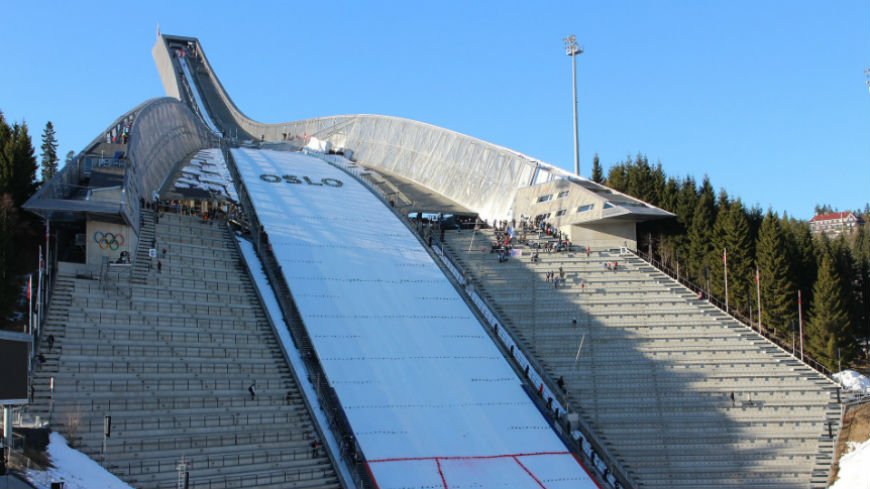
 Norway hosted its first EPAS Evaluation Visit on its compliance with the European Sport Charter on 20-21 March 2018. A team of EPAS sports policy experts met over the two days with the main stakeholders in Norwegian sport (governmental and municipal authorities, the Norwegian Olympic and Paralympic Committee and Confederation of Sports (NIF), including the elite sport body Olympiatoppen.
The visit focused on drop-out levels by boys and girls from sport, promoting youth sport and sport for senior citizens, and improving the education of coaches. The full programme of the visit included a meeting with State Secretary Frida Blomgren.
A report on Norway’s compliance, including recommendations, will be made available to the Norwegian authorities, following the visit.
(COE)
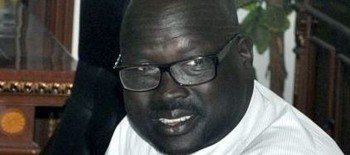
 A senior member of the opposition Sudan People’s Liberation Movement-In-Opposition (SPLM-IO) has died in Norway, the group’s leader said.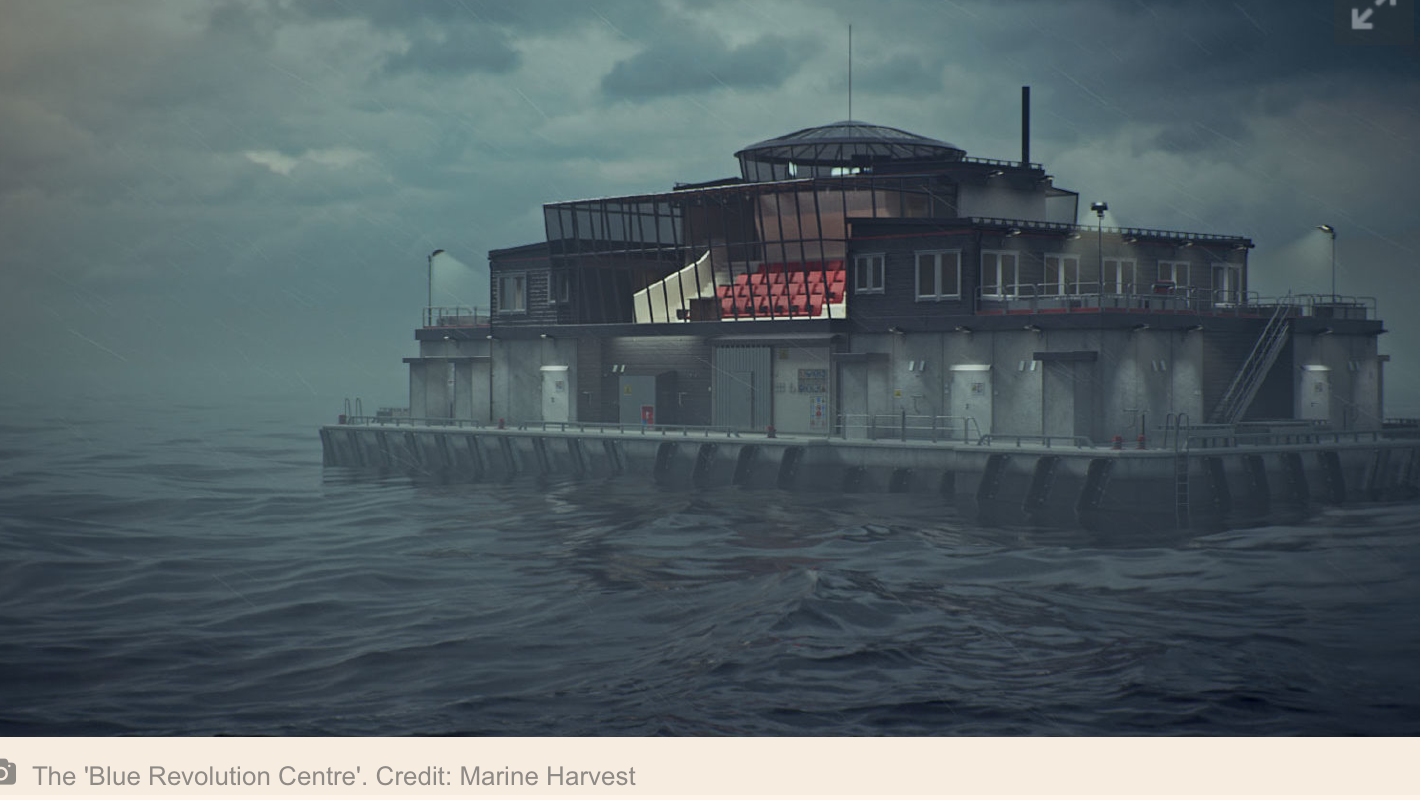
 The Norwegian fisheries directorate has rejected Marine Harvest’s application for six development licenses to farm salmon on the “ship” (Skipet), an experimental fish farm design to produce salmon, the regulator said in a statement.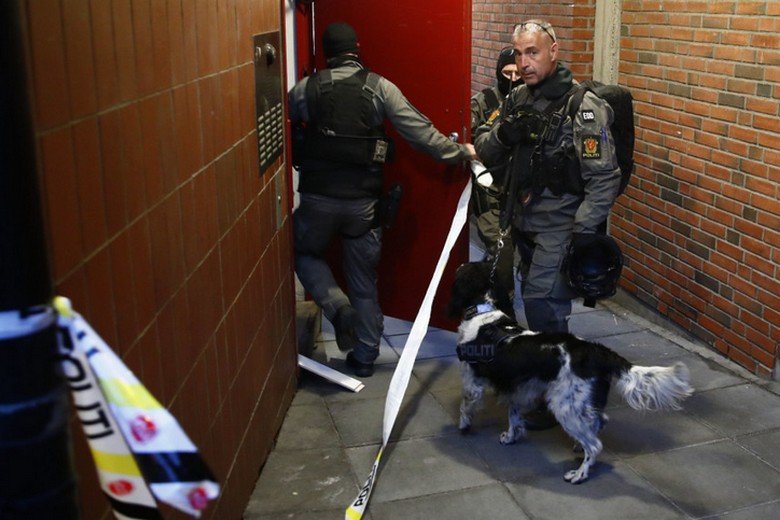
 It is known that the detainee came to Oslo on a visit, although before that he used to live in Norway for several years and was familiar to law enforcement officers.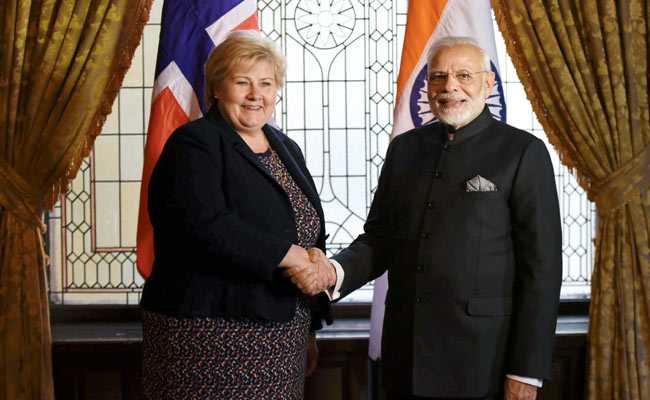
 Indian PM Modi, during a bilateral meeting with Norwegian Premier Erna Solberg, underlined the Indian openness to foreign investment and also invited Norwegian companies to invest in India, a Norwegian government statement said.
 Container ships, tankers, freighters, and cruise liners are a significant source of CO2 emissions and other pollutants. Led by Norway, Europe is beginning to electrify its coastal vessels – but the task of greening the high seas fleet is far more daunting.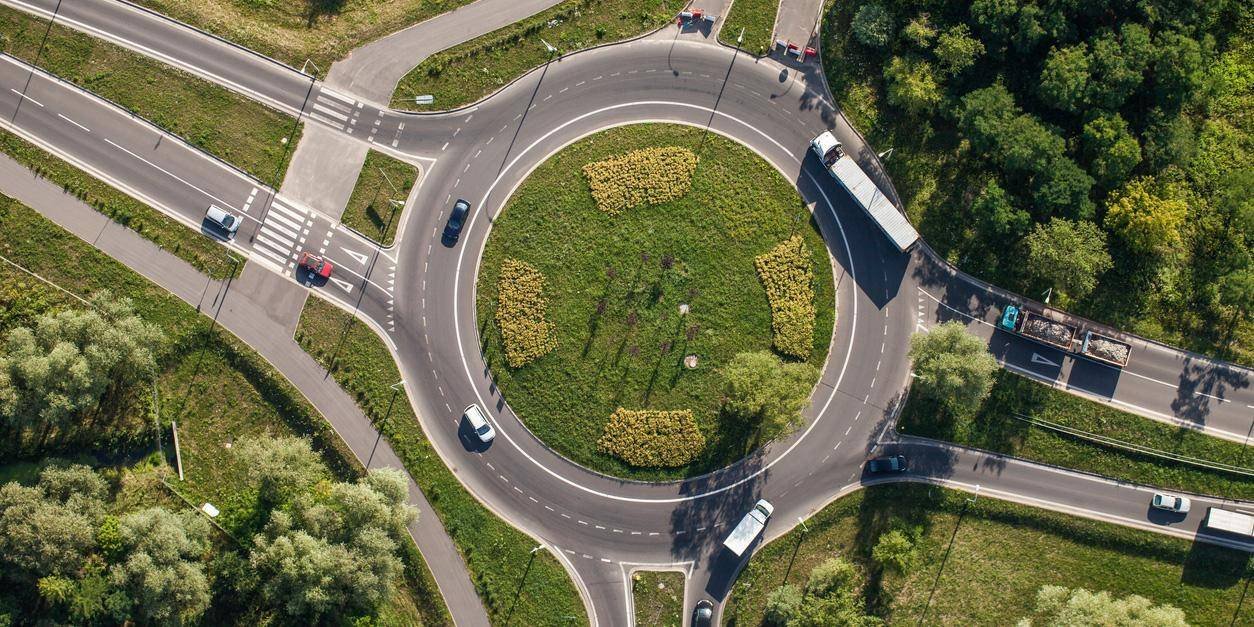
 Graduation is one of the most special times of any student’s life. It’s the realisation of all your dreams and the dawn of real life, taxes and not being able to afford the rent.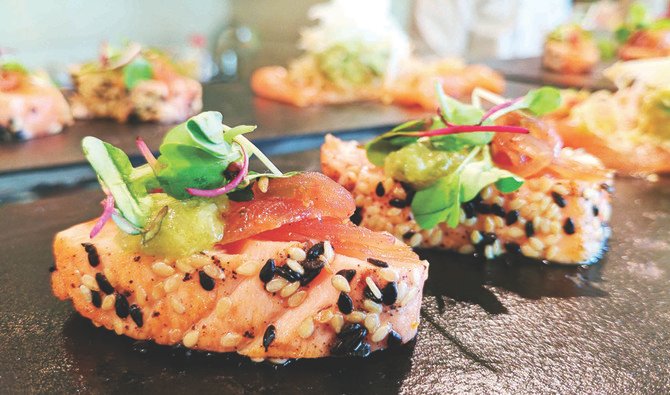
 The way to cultural understanding and friendship is through our stomachs. This was aptly practiced and proven by Oyvind Strokke, Norwegian ambassador to the Kingdom, who organized a major gastronomic opportunity to taste a range of Norwegian cuisine in Riyadh. The menu was carefully designed to represent the flavors of Norwegian seafood.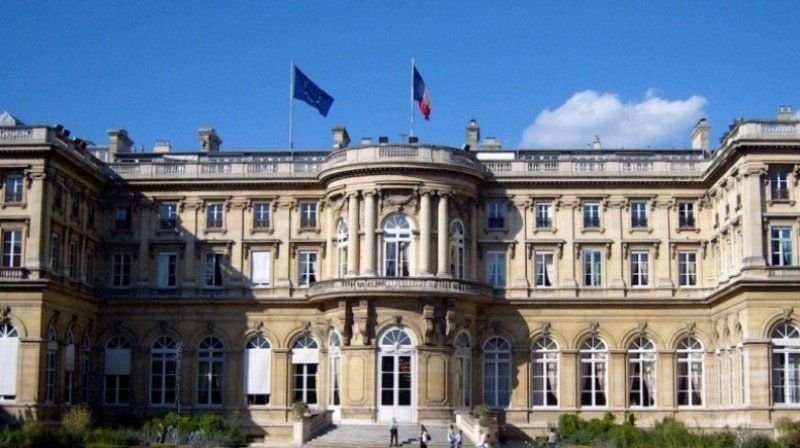
 In an international context marked by a resurgence in the use of chemical weapons and the Douma attack, France, as chair of the International Partnership against Impunity for the Use of Chemical Weapons, welcomes the adhesion of another four States on April 15: Norway, Estonia, Finland and Slovenia. Twenty-seven nations and one international organization (the European Union) are now Participating States.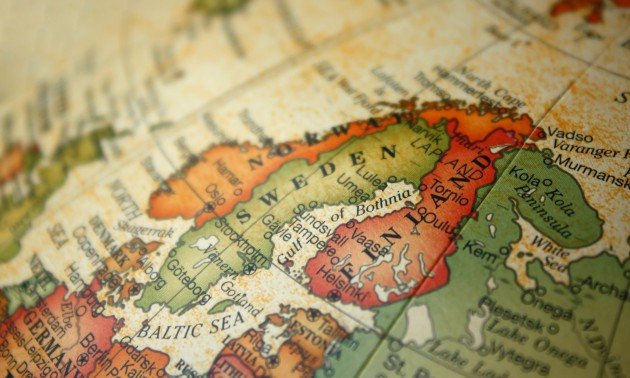
 As governments around the world shut the door on bitcoin operations, Norway says it is ‘delighted’ to welcome two new major crypto-mining data centres.
 Snøhetta’s House to Die In has become one of the most buzzed-about architectural proposals in recent years. Find out how it came to life, and why the controversy cuts so deep into Norwegian culture.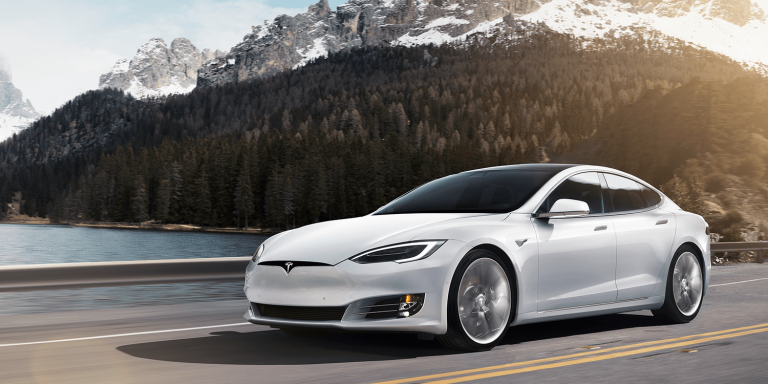
 Tesla’s electric car shipments keep getting stopped or even shut down in Norway, for using dangerous transporters, which do not conform to Norwegian transport rules. One of the trucks has even crashed and the EV maker is facing a tough decision.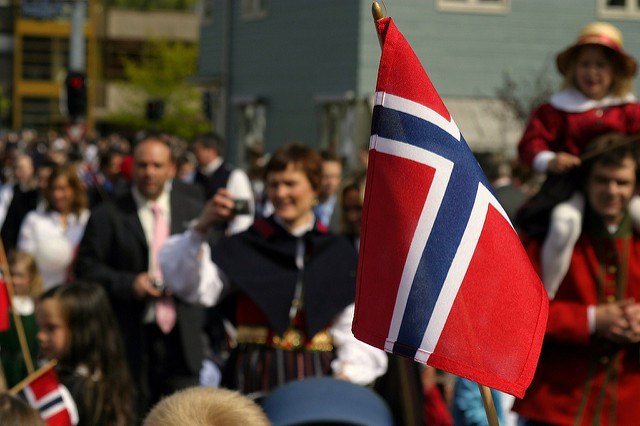
 Tania Noakes has become the first British woman to complete the classic Norge På Langs, or ‘Norway from end to end’. She has skied and trekked more than 2,500 Km over 80 days across snow and ice to reach her destination, Nordkapp, just a few days ago.
 The
The 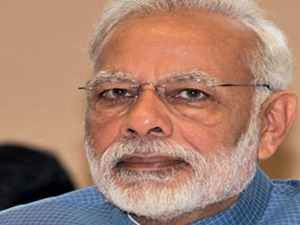
 Prime Minister Narendra Modi will meet leaders of Sweden, Norway, Finland, Denmark & Iceland for the first India-Nordic Summit in Stockholm on April 17.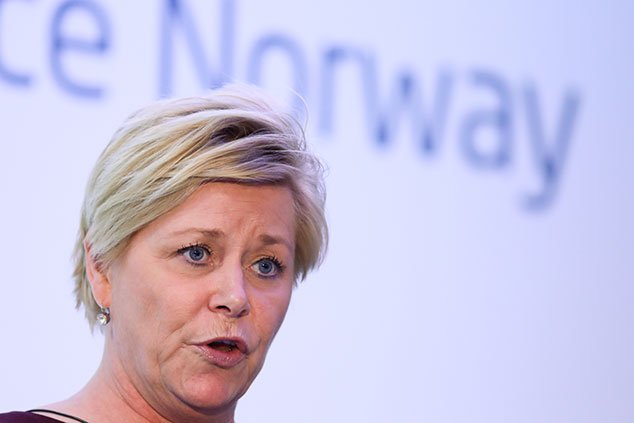
 There has been a lot of talk about the “Norway solution” for Britain after Brexit over the last two years, but little about what the Norwegians themselves think about the arrangement they have with the European Union.


 Norwegian Minister of International Development, Nikolai Astrup has said he was impressed with hard work done at Dedza District Hospital to improve care and make sure patients get best health services.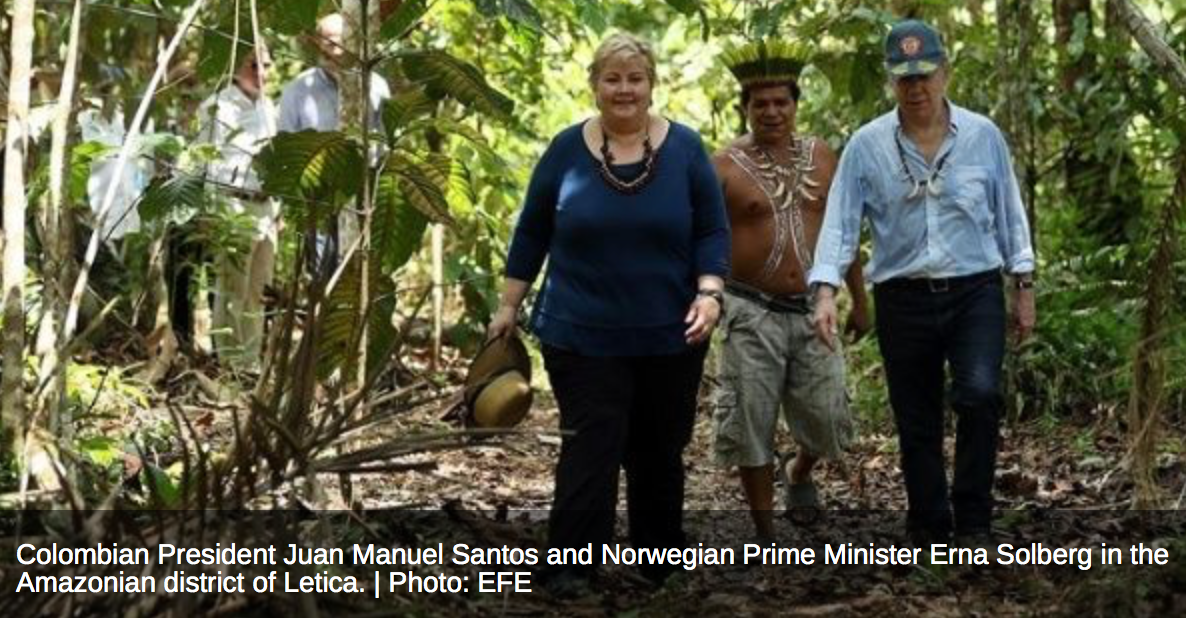
 Colombian Environment Minister Luis Gilberto Murillo said that within the next 12 years the government hopes to reduce deforestation to zero.
 Swedish prosecutors on Wednesday charged a 49-year-old Chinese man with espionage for allegedly gathering intelligence on Tibetan refugees in Sweden and Norway for China.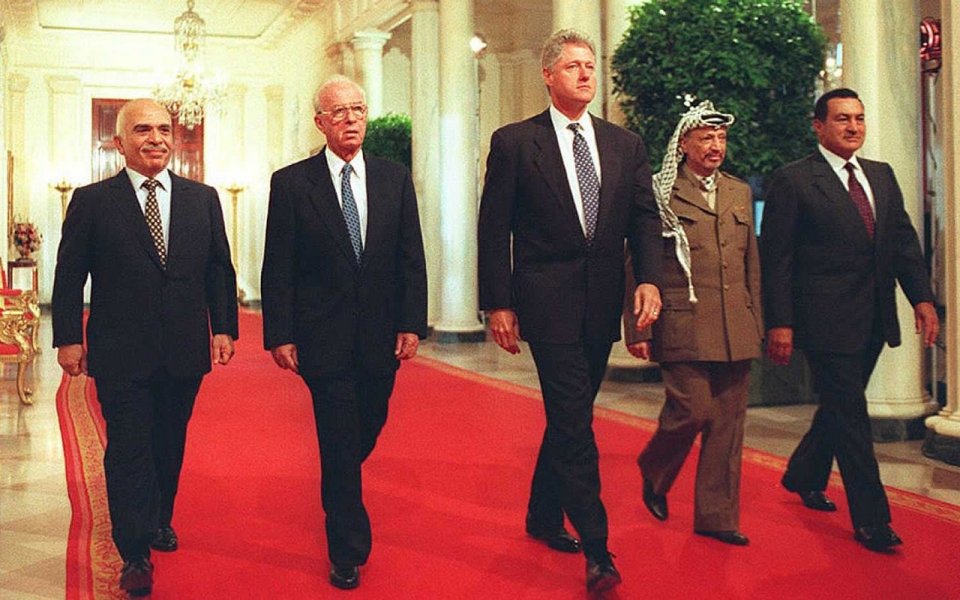
 The 25th anniversary of the Oslo Accords, which it was hoped would be the beginning of the end of the Israeli-Palestinian conflict, will be marked later this year. It will be marked more than celebrated. For many, the absence of peace after a quarter of a century of a peace process is a cause of great regret and leaves much to be lamented. What is left are fading memories of the signing on the White House lawn, with much fanfare, of a Declaration of Principles between the Israeli and Palestinian leaders in front of world leaders and millions of TV viewers across the globe.

 Northern Ireland Women will face another massive challenge when they come up against Norway Women in Portadown on Tuesday (10 April).
 A small Norwegian town just inside the Arctic circle and which lies close to the Russian border was jolted awake shortly before midnight on Wednesday as its Civil Defense warning system was triggered and sirens blared, causing locals to believe they were under threat of Russian invasion.