NORWAY NEWS – latest news, breaking stories and comment – NORWAY NEWS
  • Home
  • About us
  • News
  • Other News
    • Africa and Norway
    • Asia and Norway
    • Asylum
    • Breaking News
    • China and Norway
    • Corruption in Norway
    • Crimes
    • Defence
    • Diplomatic relations
    • Economics
    • Environment
    • Farming
    • Featured
    • Health
    • Killing
    • Media Freedom
    • Middle East and Norway
    • NATO and Norway
    • Nobel Peace Prize
    • Norwegian Aid
    • Norwegian American
    • Oil & Gas
    • Peace Talks
    • Politics
    • Racism in Norway
    • Religion
    • Royal House
    • Russia and Norway
    • Science
    • Sex scandal
    • Sports
    • Spy War
    • Srilanka and Norway
    • Svalbard
    • Taiwan and Norway
    • Terrorist
    • Travel
    • Video clips
  • Disclaimer
  • Contact us
NORWAY NEWS – latest news, breaking stories and comment – NORWAY NEWS
  • Home
  • About us
  • News
  • Other News
    • Africa and Norway
    • Asia and Norway
    • Asylum
    • Breaking News
    • China and Norway
    • Corruption in Norway
    • Crimes
    • Defence
    • Diplomatic relations
    • Economics
    • Environment
    • Farming
    • Featured
    • Health
    • Killing
    • Media Freedom
    • Middle East and Norway
    • NATO and Norway
    • Nobel Peace Prize
    • Norwegian Aid
    • Norwegian American
    • Oil & Gas
    • Peace Talks
    • Politics
    • Racism in Norway
    • Religion
    • Royal House
    • Russia and Norway
    • Science
    • Sex scandal
    • Sports
    • Spy War
    • Srilanka and Norway
    • Svalbard
    • Taiwan and Norway
    • Terrorist
    • Travel
    • Video clips
  • Disclaimer
  • Contact us
Saturday, October 3, 2026
NORWAY NEWS – latest news, breaking stories and comment – NORWAY NEWS
  • Home
  • About us
  • News
  • Other News
    • Africa and Norway
    • Asia and Norway
    • Asylum
    • Breaking News
    • China and Norway
    • Corruption in Norway
    • Crimes
    • Defence
    • Diplomatic relations
    • Economics
    • Environment
    • Farming
    • Featured
    • Health
    • Killing
    • Media Freedom
    • Middle East and Norway
    • NATO and Norway
    • Nobel Peace Prize
    • Norwegian Aid
    • Norwegian American
    • Oil & Gas
    • Peace Talks
    • Politics
    • Racism in Norway
    • Religion
    • Royal House
    • Russia and Norway
    • Science
    • Sex scandal
    • Sports
    • Spy War
    • Srilanka and Norway
    • Svalbard
    • Taiwan and Norway
    • Terrorist
    • Travel
    • Video clips
  • Disclaimer
  • Contact us
Copyright 2025- All Right Reserved Norway News
China and Norway

Protest outside Chinese embassy in Oslo

by Nadarajah Sethurupan October 11, 2020
written by Nadarajah Sethurupan

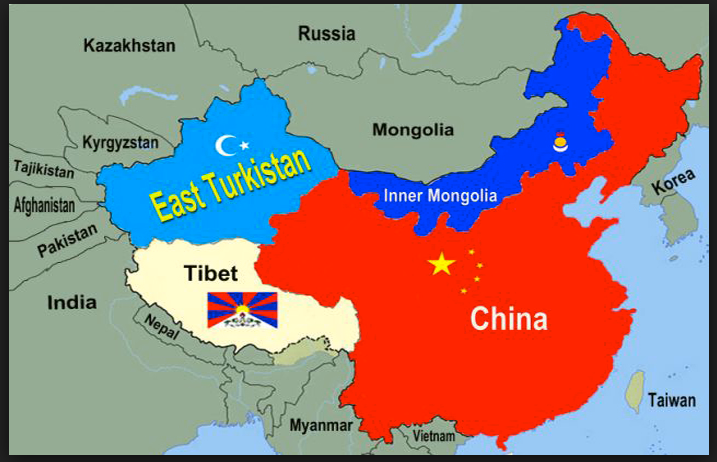
Around 100 Demonstrators protested outside the Chinese embassy in Oslo last week over the bloodshed in the china region. Similar protests are planned in several other European cities. Demonstrators are hoping to use the demonstrations to find a peaceful solution to the Tibet question as well as an end to torture, capital punishment and other human rights violations in China.

Demonstrators representing Tibetan groups, Uighurs, Mongolians and the Falun Gong spiritual movement gathered in front of the Chinese embassy in Oslo last week, waving flags and holding banners.

According to human rights organizations, more than 1,000 Tibetan were taken into custody during the unrest and mass arrests in March 2008 and are still missing.

More than 1,500 Uighurs have been arrested in recent weeks for political reasons, and members of the Falun Gong sects have been victims of torture and murder. 3,160 of them have meet grisly deaths while in the custody of the security forces, they say.

China has been criticised globally for cracking down on the Uyghurs by sending them to mass detention camps, interfering in their religious activities and sending members of the community to undergo some form of forceful re-education or indoctrination.

“China lies, people die”, demonstrators chanted, along with “Shame on China” and “Stop the killing.”

“Chinese state media are misleading Chinese citizens,” one of the protester , told NORWAY NEWS.

Uighur people in Norway claim the Chinese government has been spooking them with mystery phone calls from the embassy in Oslo.

At least a million members of the majority-Muslim ethnic group have allegedly been detained in China in a crackdown which the US has likened to Nazi Germany.

Now, Uighur expats fear they are being harassed by Chinese authorities as far away as Norway after receiving automated calls which purport to come from the embassy.

At least 30 people have reported such calls already and others may be too scared to come forward, a Uighur community leader told Al Jazeera.

However, the Chinese embassy has denied making such calls and suggested they were the work of scammers.

Xinjiang’s Muslim Uighur community has long chafed at Chinese rule.

October 11, 2020 0 comments
0 FacebookTwitterPinterestEmail
Nobel Peace Prize

2020 Nobel Peace Prize Awarded To World Food Programme

by Nadarajah Sethurupan October 11, 2020
written by Nadarajah Sethurupan

The World Food Programme (WFP) has been praised by world leaders and humanitarian groups after it was awarded 2020’s Nobel Peace Prize.

The UN entity, which provided food to 100 million people last year, praised its staff after taking the honor — the 101st time that the Nobel Peace Prize has been handed out.

Dan Smith, the director of the Stockholm International Peace Research Institute, told CNN he saw the decision as “positive.”

“There’s an urgency to the issue at the moment, because after decades of progress, world hunger has started to rise in the last four years, driven primarily by climate change,” he said.

The award could also serve as a rebuke to governments that discredit and pull funding from international groups — a point the Nobel committee did not duck from making. 

“Multilateralism seems to have a lack of respect these days,” its chair Berit Reiss-Andersen said on Friday.

“When you follow international debate and discourse, it’s definitely a tendency that international institutions seem to be discredited more than, let’s say, 20 years ago,” she said.

“When the UN was founded, it was exactly on a great emphasis on the universalism of the world,” Reiss-Andersen added. “There also is a universal responsibility for the conditions of human mankind.”

October 11, 2020 0 comments
0 FacebookTwitterPinterestEmail
Africa and Norway

Troika welcomes Sudanese peace deal

by Nadarajah Sethurupan October 11, 2020
written by Nadarajah Sethurupan

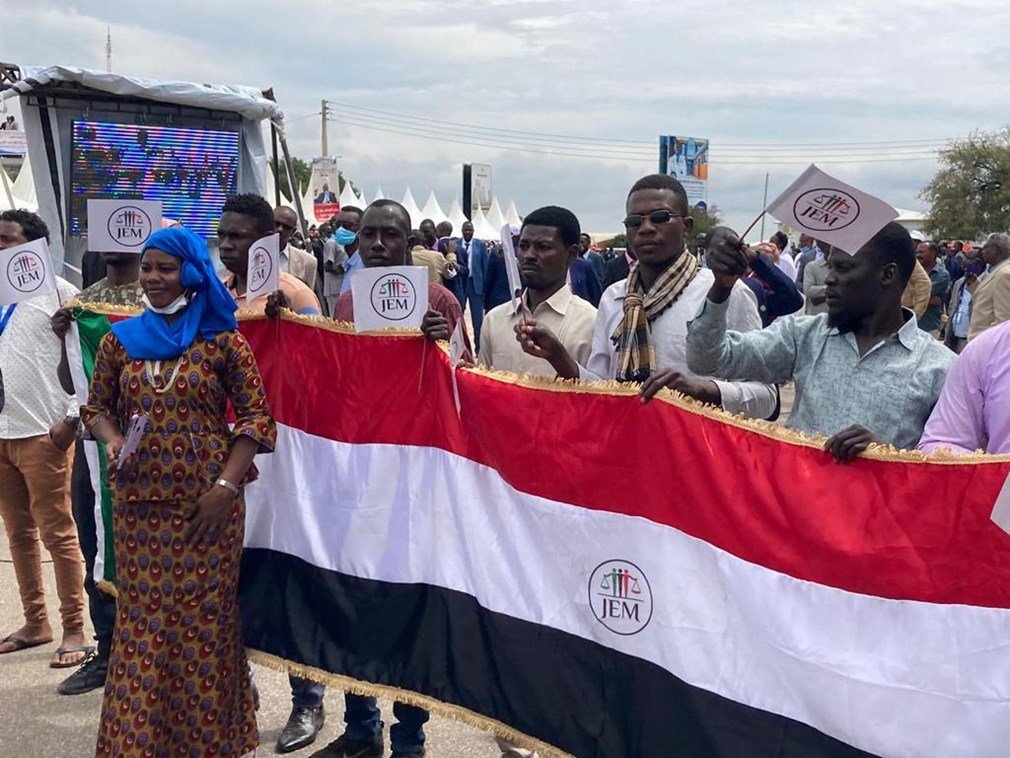
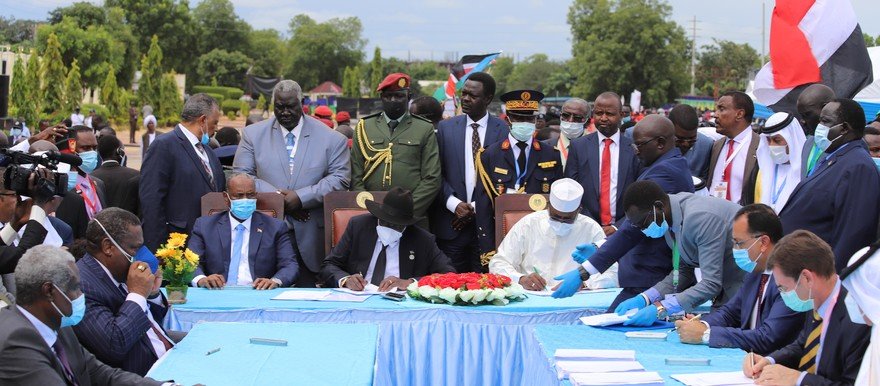
The members of the ‘Troika’ — the United Kingdom, the United States, and Norway have welcomed the peace deal between the Sudanese government and the Sudan Revolutionary Front (SRF), Sudan Liberation Movement-Minni Minawi and Sudanese Alliance inked on October 3, 2020, in South Sudan’s capital, Juba.

Sudanese peace signing ceremony in Juba, 3 October 2020. [Photo: Radio Tamazuj]

In a statement to newsrooms, Troika said the agreement is a key milestone in the achievement of freedom, peace, and justice, for the Sudanese people who have been affected by conflict in Darfur, South Kordofan, and the Blue Nile states. 

Troika further welcomed the ongoing talks between the Sudanese government and the Sudan People’s Liberation Movement-North/Abdelaziz al-Hilu faction saying wider discussions are encouraged to enable all Sudanese to participate in a transitional process.

“A lasting peace will require dedicated and Sudanese-led efforts to implement this agreement in the spirit of cooperation and compromise. The Troika looks forward to continuing our support for the parties and all Sudanese in the realization of lasting peace,” the statement reads in part.

The three countries also hailed the government of South Sudan for its mediation efforts culminating in the peace deal which includes a ceasefire, inclusive participation for all parties in the transitional government, and mechanisms and commitments for reconciliation, justice, and resource sharing.

October 11, 2020 0 comments
0 FacebookTwitterPinterestEmail
Science

Kongsberg Awarded Contract for Mobile Communications

by Nadarajah Sethurupan October 10, 2020
written by Nadarajah Sethurupan

Kongsberg has developed world-class signal processing equipment that provides improved mobile coverage in areas with insufficient ground network.

The equipment is to be integrated in Airbus Defence and Space’s new mobile communication satellite, Thuraya 4-NGS. The agreement includes manufacturing and test of electronics from Kongsberg Defence & Aerospace, division Space & Surveillance in Horten, Norway.

Thuraya 4-NGS satellite in orbit. (Credit: Kongsberg Defence & Aerospace)

The satellite will deliver higher capabilities and flexibility while increasing capacity and coverage across Europe, Africa, Central Asia and the Middle East. The new generation of modular digital processors from Airbus Defence and Space offers full flexibility for more than 3200 channels and dynamic allocation over a large number of spot beams. 

Konsberg will deliver integrated L-band pre- and post-processors. These enable the satellites to meet the communication needs at all times, both when new requirements appear and/or when the local capacity is too poor. The L-band processors are «SAW»-based (Surface Acoustic Wave filters) and the development is supported by European Space Agency and the Norwegian Space Agency.

Kongsberg has a strong design & manufacturing capability for satellite onboard electronics, per date with hardware on more than 200 satellites. The company has a global footprint with all major primes.

“We are proud to be a trusted partner to Airbus Defence and Space. They have been an important customer for many years, and this contract secures our leading position within the mobile GEO-satellite market. It gives us a solid foundation for further growth and development”, says Director of Marketing in Space and Surveillance at Kongsberg Defence & Aerospace, Ellen Dahler Tuset.

October 10, 2020 0 comments
0 FacebookTwitterPinterestEmail
Environment

Norwegian firms tie up with Wartsila for key fuel solution for ships

by Nadarajah Sethurupan October 9, 2020
written by Nadarajah Sethurupan

Leading experts from shipping, R&D and oil and gas have teamed up to develop a ground-breaking fuel solution for ships and oil and gas (offshore) sector.  The new technology opens for many different types of fuel, including green ammonia and LNG. With this flexibility, vessels can choose fuel according to availability.

The new and flexible fuel cell technology can reduce emissions from shipping by 40 to 100%.  The main partners in the project are Norwegian industrial firms Odfjell, which has leading expertise in global shipping; Prototech, an expert in fuel cell technology, and Lundin Energy Norway, an oil and gas solutions specialist and Finland-based Wärtsilä, a major player in maritime technology and energy sector.  

These partners are now constructing a pilot system that can use different types of fuel. The system will first be tested at the Sustainable Energy catapult centre in Norway before installation on board a chemical tanker.  The unique project was presented to the Norwegian Prime Minister, Erna Solberg, during a ceremony celebrating an expansion of the catapult centre yesterday into “Future Fuel Test Centre”. 

“Our tests show a CO2 reduction of as much as 40-45% when using LNG, compared to current solutions. Increased efficiency and reduced fuel consumption also provide significant cost savings, and the ship will be able to sail significantly longer on the same amount of energy. The system will also be ready to operate completely emission-free from the locations where, for instance, ammonia is available for bunkering,” says Bernt Skeie, CEO of Prototech. 

“The technology also enables direct capture of CO2, which will be yet another alternative for emission-free operation when logistics for CO2 management become available,” Skeie explains. Around 90% of the world trade is transported by ships. Ship transport is still the most environmentally efficient way of carrying goods, but to achieve Norwegian shipping’s target of becoming climate neutral by 2050, new, energy-efficient solutions must be introduced. The project aims to develop a technology that can provide emission-free operation over long distances. Battery solutions are currently not suitable for operating ships that sail long distances, the so-called “deep-sea” fleet.  

This fleet consists of around 50,000 ships globally and thus constitutes a significant share of international shipping. It is impossible to achieve the goal of climate neutrality without finding solutions for this significant segment. The unique feature of the new technology is its high energy efficiency and the flexibility that enables significant emission reductions already from day one with the use of currently available infrastructure for LNG – while also preparing for emission-free operation in line with the development of value chains and infrastructure for sustainable fuels in the years to come. 

“Ships are to be operated for 20-30 years, and we need flexible solutions that can meet future emission requirements. We do not have time to wait, we have to think about zero emissions already now,” says Erik Hjortland, Technology Director at Odfjell SE.  

“The fuel cell project is one of the paths we are pursuing. We focus on machinery rather than focusing on one single type of fuel. Fuel cell technology gives us flexibility that ensures environmentally efficient operation regardless of fuel changes that may occur in the years ahead.”  “The new energy solution has the potential to take us a big step closer to the goal of climate neutrality. And it does not stop with ships, this solution can also be used in offshore oil and gas operations,” says Ingve Sørfonn, Technical Director in Wärtsilä. 

Harald Solberg, CEO of the Norwegian Shipowners’ Association, emphasizes the potential this project demonstrates. “The development of this fuel cell is an example of how forward-looking shipping companies and our unique maritime expertise have the prerequisites to drive new solutions through a broad collaboration within the maritime cluster,” remarked Solberg.  “In the long run, scaling up such solutions will be of great importance in achieving our climate goals, they will have business value, and they can create new jobs in Norway.

Norwegian shipping has set ambitious climate goals. This type of projects is very important for us to be able to develop solutions that quickly reduce emissions,” he added. Odfjell revealed that so far, the project has been funded with support from Gassnova, NFR, and the participants themselves. Now the project is constructing a 1.2. MW prototype fuel cell that first will be tested at the Sustainable Energy catapult centre at Stord, Norway. Then it will be mounted and tested onboard one of Odfjell’s newest chemical tankers.

(TradeArabia News Service)

October 9, 2020 0 comments
0 FacebookTwitterPinterestEmail
Terrorist

Norwegian charged with ISIS membership in Hewler

by Nadarajah Sethurupan October 8, 2020
written by Nadarajah Sethurupan

Norwegian citizen Oleg Neganov has been sentenced to eight years in prison in Hewlêr (Erbil) in Southern Kurdistan, Northern Iraq for membership in the ISIS. According to a detailed report by the Norwegian TV and NRK radio station, the 31-year-old Russian-born regretted his actions in court and applied in vain for his extradition to Norway. He is still being held in a prison in Hewlêr. 

Neganov had been living in Norway since 2006 and was sentenced to three weeks’ juvenile detention at the age of 17 for cheque fraud. He then joined the “Nordic Resistance Movement” in Oslo and participated in the activities of the neo-Nazi group.

According to Norwegian media he then converted to Islam and went to Syria to join the ISIS in 2014. He lost a leg in an air raid by the international coalition. In February of last year he was captured by the Syrian Democratic Forces (SDF) in the last ISIS enclave of al-Baghouz and was transferred to Iraq in 2019 by US military along with a group of other ISIS members.

October 8, 2020 0 comments
0 FacebookTwitterPinterestEmail
Science

Norway nominates its space agency chief as ESA Director General candidate

by Nadarajah Sethurupan October 7, 2020
written by Nadarajah Sethurupan

The Norwegian Government proposed Christian Hauglie-Hanssen, the Director General of the Norwegian Space Agency, as candidate for the European Space Agency’s (ESA) top job as ESA Director General, the Norwegian Ministry of Trade, Industry and Fisheries announced.

“Mr. Hauglie-Hanssen’s combined background from space and other industries, as well as public service together with proven achievements in international space cooperation over many years, makes him a very well suited candidate,” Iselin Nybø, the Norwegian minister of trade and industries said in the ministry’s announcement last week.

The Swedish ESA Council Chair Anna Rathsman – who was appointed at the last Council meeting in June – is responsible for the appointment process of the new Director General. The appointment of the new Director General is expected in December 2020.

October 7, 2020 0 comments
0 FacebookTwitterPinterestEmail
Killing

Norway: Far-right activist found dead at home

by Nadarajah Sethurupan October 5, 2020
written by Nadarajah Sethurupan

A 48-year-old member of far-right SIAN movement, was found dead in his apartment in the Norwegian city of Kristiansand Saturday, according to local state media. 

FILE PHOTO

Dan-Eivind Lid, known as an activist of SIAN (Stop the Islamization of Norway), was one of the organizers of a Quran-burning protest in August in Norway.

Norwegian police said that Lid had several injuries on his body, adding investigation was still continuing.

October 5, 2020 0 comments
0 FacebookTwitterPinterestEmail
Science

Norwegian university supplying COVID-19 test kits to India, Denmark

by Nadarajah Sethurupan October 2, 2020
written by Nadarajah Sethurupan

A highly sensitive COVID-19 test, developed by researchers from the Norwegian University of Science and Technology (NTNU), relies on magnetic nanoparticles to extract viral RNA. More than 5 million NTNU COVID-19 tests have already been supplied to the Norwegian health authorities. Now India and Denmark will benefit from the technology.

“Testing and infection tracking are absolutely essential to maintaining control of the infection situation. The fact that NTNU has developed a new test method for detecting the coronavirus means that more people can be tested and that patients can get answers faster. It is very positive that this technology can now also be useful internationally,” says Bent Høie, Norway’s Minister of Health and Care Services.

“We have been contacted by health ministries and private companies from countries in Asia, Africa, North and South America and Europe,” said Tonje Steigedal, from NTNU Technology Transfer, who is part of the NTNU test team and responsible for the commercialization of the technology. “We are delighted to announce that DTU and APS LABS are the first outside of Norway to benefit from the NTNU technology.”

Helene Larsen, Head of Development at DTU’s Centre for Diagnostics, said she had just received her first shipments of test kits and was looking forward to getting the testing up and running. She said DTU is doing tests for a number of Danish hospitals and hopes to increase the lab’s capacity to do as many as 10000 tests a day.

“What we like about the NTNU system is that it can be used with our open robot system,” she said, which means that robot systems can be used with reagents from different vendors, including NTNU’s.

Another big advantage is that the kits are readily available, she said. “The market is still very competitive out there, and the fact that it is possible to get a kit component so readily is sensational.”

Dr. Paritosh Shekhar, director of APS LABS, said his organization had evaluated the NTNU test kits and “found them extraordinary.”

“The performance was at par with top leading brands,” he said. “Quality was the factor for why we chose NTNU. Another reason was to support a research university rather than a commercial company. We strongly feel this association will be complementary for both of us.”

In late March, huge international demand for the reagents used for COVID-19 testing meant that Norway, like other countries, was having a hard time getting enough tests to track the disease among its population.

In response, Magnar Bjørås, a medical researcher from NTNU’s Department of Clinical and Molecular Medicine, offered colleagues from St. Olavs Hospital help with a made-in-Norway COVID-19 test.

The offer of help was accepted and Bjørås and his network got to work. By mid-April, the NTNU/St. Olavs Hospital team had developed a highly sensitive test. Validation results showed that the NTNU test was at least as good as conventional tests. It was then approved for use by Norwegian health authorities.

Bjarne Foss, Pro-Rector for Research at NTNU, says Norwegian society has high expectations for NTNU as Norway’s largest university.

“We are a multi-disciplinary university with a strong profile in science and technology,” he said. “Multi-disciplinary solutions provide the answer to many societal challenges, and the NTNU COVID-19 test is a perfect example of the strength of this approach. Two strong research groups at NTNU’s faculties for Medicine and Health Sciences and Natural Sciences, respectively, developed this test method together, which by construction depends on a multi-disciplinary approach.”

“At NTNU we are proud of this contribution to fight the COVID-19 pandemic. We will continue to encourage our researchers to pursue research across disciplines both within NTNU and in cooperation with research groups at other institutions,” Foss said.

One key aspect of the NTNU test is a specific combination of polar solvents, buffers, salts and other chemicals that do not damage the viral RNA molecule itself. The solution contains substances that crack the virus open so that its genetic material can be extracted.

NTNU has also developed iron oxide magnetic nanoparticles that strongly bind RNA. Once the magnetic nanoparticles are coated with the viral RNA, they can be removed from the solution using a magnet. PCR technology can then identify the genetic code from the RNA and compare it to the coronavirus.

The newly developed manufacturing process has proved to be very upscalable, which has enabled the NTNU labs to produce these high-quality and high-performance magnetic nanoparticles in very high volumes.  Three laboratories at the Department of Chemical Engineering are currently manufacturing the magnetic nanoparticles, while another laboratory at the Department of Clinical and Molecular Medicine is making the solvents and buffers. The process allows the production of up to 1.2 million test kits per week.

“The key behind our success has been the cooperation across departments and with NTNU Technology Transfer and the hospital,” Bjørås said. He said increases in production capacity will allow the groups to produce up to 5 million test kits a week.

At the same time, the test kits are subject to rigorous quality control and validation before shipping to customers. The magnetic nanobeads and buffers, and then the entire test kits are verified against a known COVID-19 positive patient sample.

The process was developed by the teams around Bjørås and Sulalit Bandyopadhyay, a postdoc at the university’s Department of Chemical Engineering, along with Anuvansh Sharma from the university’s Department of Materials Science and Technology and their colleagues.

In the process of gearing up to produce tests for Norway, the researchers improved the efficiency of the production system to the point where the lab is able to make more than enough tests for use in Norway.

Bandyopadhyay, who had previously been studying how a version of the particle can be used to study river water chemistry, has been eager to help ease the test shortages that continue to plague other countries.

“The need out there is very great, and we have the kits that can help with the shortage,” he said.

“Our mission is to provide the NTNU COVID-19 test to health care services across the globe,” Steigedal and her NTNU Technology Transfer colleague Eivind Andersen said.

NTNU Technology Transfer has filed patent applications on the methods and products related to the NTNU COVID-19 test. The motivation is to secure control of the intellectual rights and provide access to the new test in an ethical and justifiable manner.

At the same time, the university hopes to expand the number of countries to which the test will be exported.

“We need to find the right partners in each region/country. In some cases that could be national health authorities, or it could be hospitals or other health care services, Steigedal said. “It could also be life-science companies that have a relevant position in the value chain for test equipment for virus detection.”

October 2, 2020 0 comments
0 FacebookTwitterPinterestEmail
China and Norway

China Poses Threat to Democracy – USA

by Nadarajah Sethurupan October 2, 2020
written by Nadarajah Sethurupan

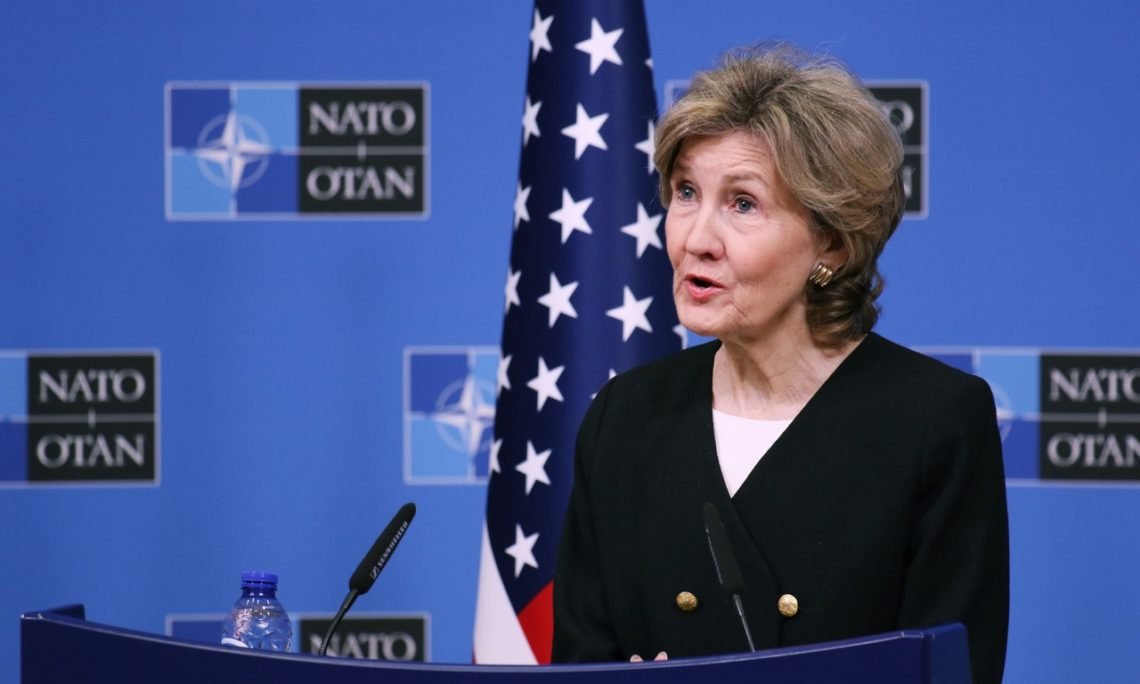
US Undersecretary of State for Economic Affairs Keith Krach has urged Germany to support NATO by expelling the Chinese tech giant Huawei from its 5G mobile network. The statement comes after German officials said last week that the country’s new rules stipulate an option for senior cabinet members to issue objections based on political risk before Huawei components enter the German 5G network. Earlier, Germany’s Interior Minister Horst Seehofer warned that if Huawei is excluded from the country’s 5G rollout project, it could be stalled for as long as five or even ten years.

Huawei founder Ren Zhengfei, for his part, said in a statement in early September that the company had been forced to change numerous components and algorithms in its devices to cope with restrictions from the United States.

Below is a full rush transcript of the press conference by Keith Krach Under Secretary of State for Economic Growth, Energy, and the Environment.

Under Secretary Krach:  I’m in the midst of a 10-day, eight-country swing through Europe.  And on this trip I’ve met with many EU leaders and discussed a number of issues since I’ve been here – from the pandemic relief to supply chain diversity.  But there is one issue above all the others that forms the purpose of my trip.  And the reality that the transatlantic alliance faces one of an ever-increasing cyber warfare, seemingly ceaseless variations of intense, perhaps even weaponized, economic competition.

The Chinese Communist Party presents a real and urgent threat to democracies and companies here in Europe, and all around the world.  The CCP has exploited the institutions of the free world, such as the WTO, and this is to gain an upper hand over the same free nations that enabled its prosperity.  Rather than open up, the Chinese Government intensified its aggression.  It imposed market restrictions, forced technology transfers, and stole intellectual property.  

We’re free traders, but when someone comes into the market and doesn’t play by the rules, the market is no longer free.  And all along, we thought capitalism would equal democracy.  In China’s case, we were wrong.  As Secretary Pompeo says, it’s time to take off our rose-colored glasses and treat China not how we hope they’d be, but how they really are.  

And now, on both sides of the aisle back in Washington, they truly understand the CCP is playing the long game, and they’re playing for keeps.  They fancy themselves as masters of a four-dimensional game of economic, military, diplomatic, and cultural chess.  Worst of all, they believe they’re above the rules.  In this high-stakes competition, there is nothing static about NATO security – it can vanish in an instant – and there is no substitute for a coalition of freedom.  

A challenge of this magnitude cannot be done alone.  It’s a team sport and it will require the synergistic effects across all our governments as well as our powerful private sectors.  To prevent CCP authoritarianism from winning the day on 5G, NATO Secretary General Jens Stoltenberg recently remarked on the China challenge, “We have to make sure that Europe and North America stand together.”

For years, the CCP has been putting pressure on telecommunications companies and countries to buy from Huawei, knowing that its national intelligence law can oblige Huawei to share data from these countries and companies at any time.  CCP’s stated doctrine is to seduce with money and reinforce with intimidation and retaliation.  Untrusted, high-risk vendors like Huawei and ZTE provide the CCP’s authoritarian government the capability to disrupt or weaponize critical applications and infrastructure or provide technological advances to China’s military forces.  And it’s no secret that Huawei stole intellectual property from T-Mobile, the U.S. subsidiary of Deutsche Telekom.  We know that it deploys these same tactics in Europe and wherever it can get a foothold. 

Given these dangers, governments and businesses around the world are increasingly asking: who do we trust carrying our most personal information and intellectual property?  The primary choices are two world-class European vendors on one side, Ericsson and Nokia, and two CCP-controlled companies on the other, Huawei and ZTE.  After this year, there should be no doubt about the answer.  From concealing an outbreak that became a pandemic, to eviscerating Hong Kong’s freedoms, to persisting with a ruthless campaign of repression in Xinjiang, the CCP’s human rights abuses are impossible to ignore.  This behavior is made possible by an Orwellian big brother surveillance state that tracks billions of people worldwide and it extends the great one-way China firewall, where all the data comes in for the CCP’s use but none goes out, and reciprocally, all the propaganda goes out but the truth does not come in. 

UK Foreign Secretary Raab recently remarked that it isn’t just the devastation of COVID-19 that takes the shine off of China, but also the fact that the CCP doesn’t live up to the deals it makes.  The crackdown on Hong Kong is a case in point.  As Foreign Secretary Raab said: “It comes down to an issue of trust.”  And he said, “Why would anyone trust China with other deals they might make?”  

The transatlantic alliance has a responsibility to protect the integrity of our networks for nearly 1 billion citizens living under our security umbrella.  And that’s why the United States has teamed up with likeminded nations to develop the Clean Network, which is a comprehensive approach to address the long-term threats to data privacy, security, human rights, and trusted collaboration.  Its 5G Clean Path initiative complements the work done by the EU member states developing the clean EU 5G Toolbox for designing, constructing, and administering 5G infrastructure. 

The Prime Minister of Poland Morawiecki recently commented: “Poland believes the construction of our 5G Clean Path network is a prerequisite for strategic technological sovereignty.  [And] that is why we are proud to be a 5G Clean Country.”  The Clean Network is rooted in internationally accepted digital trust standards and represents execution of a multi-year, enduring strategy built on a coalition of partners.  The Clean Network encompasses the entire system by incorporating additional Clean Initiatives to safeguard mobile carriers, apps, cloud-based systems, and undersea cables – because a system is only as strong as its weakest link.  The Clean Network has sparked a wave of countries and companies choosing clean vendors for their 5G networks.  Already many EU nations have joined the Clean Network.  

The 5G tide has turned towards clean, trusted vendors as more and more of these countries and companies are using clean providers to build 5G networks.  Huawei deals are evaporating as everyone begins to realize it’s an arm of the CCP surveillance state and a tool for human rights abuse.  The Clean Network now includes over 30 countries around the world.  Many are European, such as the Czech Republic, Norway, Poland, Sweden, Estonia, Romania, Denmark, Greece, Finland, Luxembourg, most recently Serbia and Kosovo, Albania, Latvia, France, the United Kingdom, and Slovenia.  

Most countries’ largest telecommunications companies have also joined the Clean Network, such as Telefonica, Telco Italia, Reliance in India, Telstra in Australia, SK and KT in Korea, and then all telcos in Japan, Singapore, Australia, U.S. and Canada have joined the Clean Network. 

But the transatlantic alliance, too, is only as strong as its weakest link.  Countries may be tempted to auction off 5G contracts to the lowest bidders, but this approach exposes all of us to undue risks.  The transatlantic alliance and other partners must acknowledge the intersection between 5G providers and national security equities, including interoperability, information sharing, and reliance against coercive tactics.  By building safe networks today, governments can ensure the integrity of their systems and prevent costly countermeasures down the road.  

Many European nations have come a long way, transitioning – at great human and economic cost – from an authoritarian regime into a democratic state that we all enjoy today.  They know firsthand how authoritarian regime uses data to exert leverage.  We will stand firm to protect against this.  Modern technology should expand people’s opportunities, not expand a government’s control over them.  

President Reagan’s “Tear Down This Wall” speech combined with Europe’s Solidarity movement was a crucial catalyst in bringing down the Iron Curtain.  And I really think this is emblematic of the unity and solidarity which will be required to never allow ourselves to be intimidated or undermined by China’s Great Firewall.  The Clean Network and the EU 5G toolbox provides strength in numbers for the transatlantic nations and our governments as well as the companies.  

History has taught us, there is power and strength in unity and solidarity and together we can control our 5G destiny and ensure we lead our people down the clean path for a safe and a secure future.  

Another issue that I’ll be talking with Commissioner Thierry Breton later on today about is the PRC’s campaign of environmental destruction.  The PRC is the world’s largest annual greenhouse gas emitter, the world’s largest emitter of mercury, neurotoxins and major public health threat.  The world’s largest consumer of illegal wildlife.  The world’s largest consumer of illegal timber.  One of the largest, if not the largest, emitter of marine plastics.  And one of the world’s worst perpetrators – the world’s worst perpetrator when it comes to illegal, unreported, and unregulated fishing.  

As Secretary of State Mike Pompeo has said, “Too much of the Chinese Communist Party’s economy is built on willful disregard for air, land, and water quality.  The Chinese people – and the world – deserve better.”  It also exports through these practices abroad through the environmental destruction of the One Belt One Road campaign, which compromises – with all these 600,000 [sic] coal plants in more than 62 countries.  

So I look forward to discussing all of this and much more with Commissioner Breton today, and with many of the other leaders throughout my stay in Brussels and on this trip.  

Question:  Should U.S.-allied countries restrict sales of semiconductors and semiconductor equipment to China, following U.S. policy in this regard?

Under Secretary Krach:  Yes.  So, for example, the restrictions placed on Huawei, the allied nations have been great.  And as a result, I think the implications are pretty clear that Huawei is running out of its chips for its 5G systems, their smartphones, even their servers for their cloud business and data center business.  And it’s hard to estimate how long they have chips, but it’s literally within months.  So I think the important thing is for the telecommunication companies and companies in general who utilize their equipment to take that into account.

Question:  Do you plan to put SMIC on the Department of Commerce’s Entity List?  How do you respond to the argument that U.S. sanctions on Huawei are counterproductive because they are forcing China to boost its own technology and software?

Under Secretary Krach:  So as far as the company SMIC goes, that’s really a state-backed company.  We know that they’re involved with civilian-military fusion.  And the thing to understand is that these semiconductors power that surveillance state which extends that great firewall, which is a tremendous threat to democracies around the world.  So I think, first of all, it’s up to the Commerce Department in this area, but here again I don’t think this is going to change anything that the Chinese Government is doing in terms of their initiative to bring everything in-house.  There’s nothing we’re going to do that’s going to accelerate or decelerate them.  They have their plans.

Question: Handelsblatt reported the German Government has agreed on requirements that would force operators and vendors to certify and authorize 5G components.  Are you happy with this outcome from Berlin?

Under Secretary Krach:  We’ve had some good discussions.  We spent some time in Berlin.  We agree on the North Star, and that is to really protect the 5G systems, not just in Germany, in Europe, the transatlantic alliance.  So they’re making – they’re making great progress.  And I think the German people realize the implications for that surveillance state.  And the thing I talk about in Germany is German basic law, article 1 – German basic law is like the Constitution, and that article 1 is two words; it’s “human dignity,” and human dignity is sacrosanct.  And by German basic law, that’s the responsibilities of government authorities.  So they totally understand that.

Question: Evidence was declassified in 2019, per a Wall Street Journal story, regarding Huawei’s capacity to tap into lawful interception interfaces of the European networks they operate.  Why didn’t you make the evidence public?  What does it consist of?  And has this capacity been used?  If so, where and when?

Under Secretary Krach:  Yeah, this – I mean, this is a perfect example of things that the Chinese Communist Party do.  And I’ve spent my entire career in the private sector.  I was the vice president of General Motors and I spent 30 years in Silicon Valley.  And I didn’t realize when I came into government that the North Star for the federal government is national security.  I mean, that’s true for all our governments.  And what I’ve learned is that you’ve got to fight every single day to preserve the democracies and the freedom we enjoy because it’s against the natural order of things; it’s against all the laws of physics.  The natural state of the order is the bad king, the dictator, the emperor.  And I think when you look at countries like the United States and like the European countries, if it wasn’t for the things that we do, I think there’s a lot of nations around the world that would not be enjoying the freedom that we have today.

Question: How receptive has Germany been toward U.S. warnings about Huawei during your recent talks?  Are there any indications that Germany and Italy are moving closer to taking concrete action on this issue?

Under Secretary Krach:  The German Government as well – I’ve spent a lot of time with German CEOs as well.  They’ve been very receptive and they’re coming out with an IT security act.  So they’re moving in all the right directions from everything that we can see.  Our position is we want to be able to educate them; we want them to learn from our experiences and experiences of other countries.  But at the end of the day, that decision is a German decision and we respect that.

In terms of the Clean Network, we would of course love Germany to join the Clean Network.  And as a matter of fact, they’re a leader in – if you think about it, I mean, as a businessman, they’ve always been a great leader in quality, reliability, data privacy, security.  It’s in their nature.  And the Clean Network would be incomplete without them.  I mean, I – so I’m optimistic.

Question: In your capacity as ombudsperson on the Privacy Shield, can you update us on the current talks between the European Union and the United States on a future data transfer accord, after the European Court of Justice struck down the Privacy Accord in July?

Under Secretary Krach:  Yeah.  Being the ombudsman for the data Privacy Shield, this was obviously something new to me coming into the government.  And I will tell you that – how serious the United States takes that.  In our three branches of government, there’s no authority over me in our Executive Branch – I work with the Judicial Branch on that.  I can say that there’s only been one incident over all these years.  We’ve run it to ground.  Everybody was satisfied.  It actually ended up to be much ado about nothing.  In terms of the latest decision, we’re in discussions about that and I think our position is this: that we want to make sure that it doesn’t harm European businesses, it doesn’t harm U.S. businesses.  We want to make sure whatever new laws are going to be in place by Europe are reciprocal.  A question I always ask is, well, I’m the ombudsman for the U.S.; where’s the ombudsman for Europe?  

And also, to make sure that it takes into account all – all nations.  One of my questions originally on it when I first met with the European team when we had our annual meeting is: tell me about the EU-China data privacy shield?  And I found out there wasn’t one.  And I asked this team of people and they were just – their answer was, well, China will be China.  And I don’t think that’s good enough anymore.  

So I think for the Europeans are – who are putting together that next proposal, I think you’ve got to look at it holistically.

Question:  After Slovenia this summer, and others before it, which European Union countries are closest to signing a joint declaration with the U.S. on 5G security?

Under Secretary Krach:  Well, there’s a number of them.  One of the things that our first stop was in Luxembourg, and what I found out over in Luxembourg is all three of their telcos have decided to go with trusted vendors.  So in essence they just – they joined as well.  I’ll be going over to Albania and they – they’re on the Clean Network.  It’s great.  So I think there’s a number of them that are right on the cusp.  And in some cases, they’re just now putting together their rules and their laws.  But right now, of the 30 NATO countries, 20 are on the Clean Network.  

But here again, my point I emphasize is this: is that we don’t want to end up with a fractured NATO – two NATOs where you have countries that have secure, clean networks and ones that don’t.  Because it will restrict a lot of access to information.  And here again, it’s only as strong as its weakest link.  It’s like a pearl necklace.  You’re weak in one place, it can expose the others.  And I had a great meeting yesterday over there with the NATO folks.  They totally understand that.  They understand the importance of having a clean path like the United States State Department does where any of our domestic facilities or international facilities like our embassies requires a clean path.  So all the network – all the network traffic coming in cannot touch an untrusted vendor’s equipment.  And particularly when you’re talking about security, this is – it’s a must.

Question:  How will the strategy to keep Huawei out of Europe’s next-generation network work if Germany, Europe’s biggest economy and most populous nation, allows Huawei to co-build its 5G network?

Under Secretary Krach:  Well, here again, you’re only as strong as your weakest link.  And here again, I think we’re seeing things moving in the right direction in Germany.  And it’s no secret that the Chinese threatened the Germans with this.  They threatened their automotive business with this.  And it’s kind of similar to when Boris Johnson said, “I think we’re going to reconsider letting Huawei in to 35 percent of our telecommunications system.”  Because immediately what you can see is Beijing threatened the British bank HSBC.  You heard the Chinese ambassador to the UK say, “We’re going to take away that $100 billion investment we made in that rail system in the north of England.”  And that’s when Secretary Pompeo stood up and he said, “We stand with the UK.  We stand with all our allies against that China bully.”  And I think that was highly symbolic.  

And we really do – we really do look at their retaliation.  It’s an 800-pound elephant in the room, of China as a bully.  And I think we’ve all had experiences with bullies in our lives, and if there’s anything I’ve learned: when you confront a bully, they back down.  And they really back down when you confront them and you have your friends by your side.  And that’s exactly what the United States intends to do.  And that’s also the purpose of the Clean Network, because there’s strength in numbers.  There’s strength in solidarity and unity.  And that’s the power of the transatlantic alliance, NATO, the EU.  And I think the EU is really important because it provides cover for all these European nations where China picks the – they’re – picks the gazelle from the herd, and what they want to do is they want to drive a wedge between countries, they want to drive a wedge right between the Atlantic.  

So this is not an issue of U.S. superpower versus China superpower.  This is an issue of freedom versus authoritarianism.  

Question:  How much of the critical U.S. semiconductors did Huawei stockpile, to your knowledge?  What’s your current assessment of their ability to create a fully Chinese alternative?

Under Secretary Krach:  Not enough.  I can tell you that.  You’re already seeing some of the shortage of supplies out there.  The interesting thing is that last February, Huawei announced they had 90 5G contracts, and what we’ve seen is we’ve seen those deals evaporate.  The most we can count outside of China is six.  So they have totally lost the momentum.  The tide has totally turned.  And I think this is something that countries and companies should keep in mind.  There’s really no future with Huawei.

Question:  What should countries do with their preexisting equipment from Huawei?  Or is the concern only for the 5G system?  In other words, can they use other elements of Huawei equipment?

Under Secretary Krach:  Our focus has really been on 5G, but also understand that whether it’s 4G or whether they’re smartphones, it’s a risk.  And the reason is simple, and I didn’t realize this until I was in government.  And I had my intellectual property stolen in Silicon Valley as I built four companies, from the Chinese Communist Party – is that there’s a law in China – it’s called their national intelligence act – and it says this.  It says any Chinese company, state-owned or otherwise, and any Chinese citizen has to turn over any information, proprietary technology, intellectual property, data, and also genetics, upon request to the Chinese Communist Party, the People’s Liberation Army, the PRC Government, and if they don’t, then they have to suffer the consequences. 

Question:  Do you have any closing remarks you’d like to make?

Under Secretary Krach:  I think just the closing remarks to everybody would be thanks so much for your time.  And in this issue with regard to China’s surveillance state, and in this fight for freedom versus authoritarianism – because we look at what China has done, and they’ve really stepped up their aggression since the pandemic – and you can see that at the Indian borders.  You can see it – the Japanese islands, north of Taiwan.  You can see it – their invasion of Hong Kong.  And you’re seeing it all over the world.  It represents a real and urgent threat to democracy.  And really, a key tool that we have in the free world is transparency.  And what the media – the professionals in the media like the ones on the phone right now are such a necessary strategic part of solving this issue, and shining a light on these practices that for so many years they concealed.  And if you look at China’s economic statecraft or on every dimension, a key part of their strategy is deception.  

Well, I think now the genie is out of that bottle and I think people around the world have woken up and see the truth about China’s – we call it the three-pronged strategy of concealment, co-option, and coercion.  And the citizens don’t like it.  And it’s really given the political will to government leaders, corporate CEOs around the world to stand up to that China bully, and that is thanks to the media.  So I – this is just a chance for me to thank everyone.

October 2, 2020 0 comments
0 FacebookTwitterPinterestEmail
Environment

Norwegian Prime Minister initiates construction of Hywind Tampen

by Nadarajah Sethurupan October 2, 2020
written by Nadarajah Sethurupan

Norwegian Prime Minister Erna Solberg has initiated construction of the Hywind Tampen floating offshore windfarm. She did so in a ceremony at Kværner Stord, where elements of the windfarm are being manufactured.

Kværner’s scope of work for the project includes building 11 floating concrete hulls for the turbines on Hywind Tampen.

Equinor president and chief executive Eldar Sætre said Hywind Tampen “is a new chapter in Norway’s narrative as an energy nation.

Norweigan Prime Minister Erna Solberg initiated construction of the floating windfarm at a ceremony at Kværner StordNorweigan Prime Minister Erna Solberg initiated construction of the floating windfarm at a ceremony at Kværner Stord

“With support from the Norwegian authorities, we are not only building Norway’s first offshore wind project, we are enhancing floating offshore wind technology along with the Norwegian supplier base.

“80% of the world’s offshore wind resources are located in deep water areas and are available for floating offshore wind projects. If we can use projects like Hywind Tampen to make floating offshore wind competitive with other forms of energy, the technology will be able to deliver renewable power on a large scale. A floating offshore wind market will also open up considerable industrial opportunities for Norwegian industry.”

Hywind Tampen project director Olav-Bernt Haga said, “By using larger turbines, concrete substructures, new technology and a new assembly method, we are well on our way to reducing the cost of floating wind by more than 40% compared with Hywind Scotland. This is an important step to establish floating wind as a sustainable power source.

“If more floating offshore wind projects are realised in the future, it will be possible to reduce costs even further, and we could see a development in cost reduction equivalent to the one we have already seen in fixed-foundation offshore wind.”

In April 2020, the Norwegian Ministry of Petroleum and Industry approved plans for development and operation of the Hywind Tampen windfarm, which will be the first floating offshore wind project to supply renewable power for oil and gas installations. Equinor and the Snorre and Gullfaks partners reached a final investment decision to develop the Hywind Tampen in October 2019.

The windfarm will have a total capacity of 88 MW and is expected to cover about 35% of the annual power needs on the five platforms, Snorre A and B and Gullfaks A, B and C. It will reduce emissions from the Gullfaks and Snorre fields by more than 200,000 tonnes per year.

Development of the Hywind Tampen project involves around 250 full-time equivalent jobs at Kværner. The project will also generate around 800 full-time equivalent jobs in ripple effects for suppliers and the public sector, among others. A study conducted by Multiconsult shows that, in total, the Hywind Tampen project could provide 1,550 to 3,000 full-time equivalent jobs.

October 2, 2020 0 comments
0 FacebookTwitterPinterestEmail
Media Freedom

50 Ambassadors sign letter supporting LGBT rights in Poland

by Nadarajah Sethurupan October 2, 2020
written by Nadarajah Sethurupan

50 Ambassadors from around the world, including Norway and representatives of international organisations, have expressed support for LGBT rights in Poland.

50 Ambassadors of countries from all corners of the world and representatives of international organisations have expressed their support for ‘efforts to raise public awareness of the issues affecting the lesbian, gay, bisexual, transgender and intersex (LGBTI) community and other communities in Poland facing similar challenges.’

In an open letter, usually published annually on the occasion of Poland’s Equality Parade, signatories recognise ‘the need to jointly work on an environment of non-discrimination, tolerance and mutual acceptance’. They pay tribute to the hard work of LGBTI and other communities, in Poland and around the world, seeking to end discrimination ‘in particular on the basis of sexual orientation and gender identity.’

As this year’s Equality Parade was cancelled due to the Covid-19 pandemic the letter was released publically on 27 September and will be presented to the organisers of the Equality Parade and a representative of the Polish government on 9 October by the Ambassador of the Kingdom of Belgium in Poland Luc Jacobs, together with Anna Clunes from the British Embassy (as the coordinator of last year’s letter) and the Ambassador of Denmark, Ole Toft (as next year’s coordinator).

The full text of the letter is as follows:

Open letter of the Ambassadors of Albania, Argentina, Australia, Austria, Belgium, Canada, Croatia, Cyprus, the Czech Republic, Denmark, the Dominican Republic, Finland, France, Germany, Greece, Iceland, India, Ireland, Israel, Italy, Japan, Latvia, Lithuania, Luxembourg, Malta, Mexico, Montenegro, the Netherlands, New Zealand, North Macedonia, Norway, Portugal, San Marino, Serbia, Slovenia, South Africa, Spain, Sweden, Switzerland, Ukraine, the United Kingdom, the United States and Venezuela, as well as the General Representative of the Flemish Community and the Flemish Region, the General Delegate of the French Community and the Walloon Region, the Representatives in Poland of the European Commission and of the UNHCR, the First Deputy Director/Director’s alternate of the OSCE Office for Democratic Institutions and Human Rights, the Head of Office of the International Organization for Migration and the Secretary General of the Community of Democracies.

This letter has been coordinated by the Embassy of the Kingdom of Belgium in Poland.

Although due to epidemiological circumstances the 2020 Warsaw Equality Parade could not take place at the foreseen date we express our support for the efforts to raise public awareness of issues affecting the lesbian, gay, bisexual, transgender and intersex (LGBTI) community and other communities in Poland facing similar challenges.

We also acknowledge similar efforts in Białystok, Bielsko–Biała, Częstochowa, Gniezno, Kalisz, Katowice, Kielce, Koszalin, Kraków, Lublin, Łódź, Nowy Sącz, Olsztyn, Opole, Płock, Poznań, Rzeszów, Szczecin, Tarnów, Toruń, Trójmiasto, Włocławek, Wrocław and Zielona Góra.

We affirm the inherent dignity of each individual as expressed in the Universal Declaration of Human Rights. Respect for these fundamental rights, which are also enshrined in OSCE commitments and the obligations and standards of the Council of Europe and the European Union as communities of rights and values, obliges governments to protect all citizens from violence and discrimination and to ensure they enjoy equal opportunities.

To this end, and in particular to shield communities in need of protection from verbal and physical abuse and hate speech, we need to jointly work on an environment of non-discrimination, tolerance and mutual acceptance. This includes in particular sectors such as education, health, social affairs, citizenship, public service and public documents.

We pay tribute to the hard work of LGBTI and other communities in Poland and around the world, as well as the work of all those who seek to ensure human rights for LGBTI and other persons belonging to communities facing similar challenges, and to end discrimination in particular on the basis of sexual orientation or gender identity.

Human rights are universal and everyone, including LGBTI persons, are entitled to their full enjoyment. This is something that everyone should support.

Signed,

H.E. Shpresa Kureta, Ambassador of the Republic of Albania
H.E. Ana María Ramírez, Ambassador of the Argentine Republic
H.E. Lloyd David Hargreave Brodrick, Ambassador of Australia
H.E. Werner Almhofer, Ambassador of Austria
H.E. Luc Jacobs, Ambassador of the Kingdom of Belgium
H.E. Leslie Scanlon, Ambassador of Canada
H.E. Tomislav Vidošević, Ambassador of the Republic of Croatia
H.E. Petros Kestoras, Ambassador of Republic of Cyprus
H.E. Ivan Jestřáb, Ambassador of the Czech Republic
H.E. Ole Toft, Royal Ambassador of Denmark
H.E. Aníbal de Castro, Ambassador of the Dominican Republic
H.E. Juha Ottman, Ambassador of Finland
H.E. Frédéric Billet, Ambassador of France
H.E. Arndt Freytag von Loringhoven, Ambassador of Germany
H.E. Michael-Efstratios C. Daratzikis, Ambassador of the Hellenic Republic
H.E. María Erla Marelsdóttir, Ambassador of Iceland
H.E. Tsewang Namgyal, Ambassador of India
H.E. Emer O’Connell, Ambassador of Ireland
H.E. Alexander Ben-Zvi, Ambassador of Israel
H.E. Aldo Amati, Ambassador of Italy
H.E. Tsukasa Kawada, Ambassador of Japan
H.E. Edgars Bondars, Ambassador of Latvia
H.E. Eduardas Borisovas, Ambassador of the Republic of Lithuania
H.E. Paul Schmit, Ambassador of the Grand Duchy of Luxembourg
H.E. John Paul Grech, Ambassador of Malta
H.E. Alejandro Negrín, Ambassador of Mexico
H.E. Budimir Šegrt, Ambassador of Montenegro
H.E. Daphne Bergsma, Ambassador of the Kingdom of the Netherlands
H.E. Mary Thurston, Ambassador of New Zealand
H.E. Vasil Panovski, Ambassador of the Republic of North Macedonia
H.E. Anders Eide, Ambassador of the Kingdom of Norway
H.E. Luís Manuel Ribeiro Cabaço, Ambassador of Portugal
H.E. Dario Galassi, Ambassador of San Marino
H.E. Nikola Zurovac, Ambassador of the Republic of Serbia
H.E. Božena Forštnarič Boroje, Ambassador of Slovenia
Daniel StemmerChargė D’ Affaires a.i., Embassy of South Africa
H.E. Francisco Javier Sanabria Valderrama, Ambassador of Spain
H.E. Stefan Gullgren, Ambassador of Sweden
H.E. Jürg Burri, Ambassador of Switzerland
H.E. Andrii Deshchytsia, Ambassador of Ukraine
H.E. Anna Clunes, Ambassador of the United Kingdom of Great Britain and Northern Ireland
H.E. Georgette Mosbacher, Ambassador of the United States of America
H.E. Luis Gómez Urdaneta, Ambassador of the Bolivarian Republic of Venezuela
Dries Willems, General Representative of the Flemish Community and the Flemish Region
Anne Defourny, General Delegate of the French Community and the Walloon Region
Katarzyna Gardapkhadze, First Deputy Director/Director’s alternate of the OSCE Office for Democratic Institutions and Human Rights ODIHR
Marek Prawda, Head of Representation, European Commission in Poland
Christine Goyer, Representative, UNHCR Representation in Poland
Thomas E. Garrett, Secretary General of the Community of Democracies
Hanna Dobrzyńska, Director, International Organization for Migration (IOM)

October 2, 2020 0 comments
0 FacebookTwitterPinterestEmail
Diplomatic relations

Governments, UN, Civil Society Accelerate Efforts to End Sexual and Gender-based Violence

by Nadarajah Sethurupan October 2, 2020
written by Nadarajah Sethurupan

The governments of the United Arab Emirates, Norway, and Somalia, in coordination with the UN Office for the Coordination of Humanitarian Affairs (OCHA), the UN Population Fund (UNFPA), and the International Committee of the Red Cross (ICRC) today convened nearly 1,000 delegates to assess and expand commitments to end sexual and gender-based violence (SGBV) in humanitarian settings.
Keynote speakers and Nobel Peace Prize laureates Nadia Murad and Denis Mukwege highlighted the disproportionate concentration of SGBV in conflict and disaster zones, especially in the midst of the COVID-19 pandemic.

The high-level event follows from the landmark “EndSGBV” conference in Oslo in May 2019, which raised $366 million for SGBV work and established a set of commitments and reinforced standards to prevent, respond, and protect against SGBV in humanitarian crises, including conflicts. 

As part of the General Assembly event, the independent research organization Humanitarian Outcomes reported that 86% of 2019 financial pledges from Oslo had been disbursed – largely through the United Nations and humanitarian NGOs.

SGBV affects one in three women and girls globally, with research suggesting two in three in some humanitarian settings, with long-lasting social, psychological, and economic impacts for survivors and their communities.  The UN estimates that SGBV costs the world 2% of its annual GDP.

Speakers in the event – a mix of ministers, civil society leaders, agency executives, SGBV survivors, and NGOs – underscored the importance of deliverables on “localization,” the delivery of aid through community-based organizations. 

UN agencies and many international humanitarian actors have committed to disbursing 25% of total funding through local implementing entities. UNFPA announced during the event that it had reached 38%. 

The speakers also emphasized the importance of making protection from SGBV an integral and prioritized element in humanitarian response plans and budgets and highlighted steps to coordinate humanitarian, development and peace efforts and budgets to holistically address SGBV prevention and recovery, alongside immediate operational response. 

The UAE additionally announced a new allocation of $1 million in funding, including $500,000 for the GenCap and ProCap programs, which provide gender and SGBV advisors to UN humanitarian operations, and $500,000 for Nadia’s initiative for the economic empowerment of survivors and returnee women in Sinjar, Iraq.

The co-hosts of the event confirmed that the reporting and monitoring on EndSGBV commitments would be linked with the Call to Action on Protection from Gender-Based Violence in Emergencies, the 5-year strategy of which was launched on Friday 25 September.

QUOTES:

H.E. Reem Al Hashimy, Minister of State for International Cooperation, UAE: “SGBV is a manifestation of choices we as societies make about the value of gender and age. When we choose good policy, education, sufficient funding, empowerment of women and local organizations, we see astounding turnarounds in SGBV rates, as well as meaningful justice and recovery for survivors. Ending SGBV is an investment in our peace, prosperity, and humanity. The UAE is committed to this work.”

H.E. Ine Marie Eriksen Søreide, Minister of Foreign Affairs, Norway: “Protection against sexual and gender-based violence must be given higher priority in humanitarian response and be closely linked to the longer-term efforts of preventing SGBV and fighting impunity.”

UNFPA Executive Director Dr. Natalia Kanem said: “Whether she lives in a house or in a tent in a refugee camp, every woman has a right to peace in the home. COVID-19 has set back progress, and we see a surge in gender-based violence around the world. Stronger collective action is urgently needed to protect the rights of women and girls. UNFPA is leading efforts to prevent and respond to gender-based violence in humanitarian crises and to ensure that every woman and girl gets the essential, life-saving sexual and reproductive health services she needs.”

Robert Mardini, Director-General, ICRC: “It is our ongoing priority to prevent sexual violence from occurring in the first place. We call on States and armed actors to meet the obligations set out by international humanitarian law. Today, at the end of the #EndSGBV event, we have three key asks to States to support victims/survivors. We call on them, firstly, to reconsider any policies that make post-SGBV care contingent on the non-confidential disclosure of victim information. Secondly, to prioritise dignified access to health care for survivors of sexual violence. And thirdly, to ensure that local organisations – led by women and specialised in SGBV – play a key role in the analysis and dialogue on removing barriers to support and care.”

Ramesh Rajasingham, UN deputy humanitarian chief: “The coronavirus pandemic has catapulted gender-based violence to the top of our agenda. We urgently need to increase support to survivors in humanitarian settings, but we have less than 15 per cent of the US$428 million explicitly requested in inter-agency appeals, including the global appeal for COVID-19. We have to do more to prioritize and fund this work. We also need to challenge attitudes that allow this violence to happen, address the root causes and promote women’s participation and leadership in humanitarian decision-making.”

Nadia Murad, Nobel Peace Prize laureate and President and Chairwoman of Nadia’s Initiative: “Survivors know best what they need to heal and recover. Efforts to engage survivors at every level of their recovery will empower them.”

Dr. Denis Mukwege, Nobel Peace Prize laureate and gynecologist: “There can’t be peace without justice, because one can’t build peace on mass graves.”

October 2, 2020 0 comments
0 FacebookTwitterPinterestEmail
Diplomatic relations

Norway and the United Kingdom agree on fisheries cooperation

by Nadarajah Sethurupan October 2, 2020
written by Nadarajah Sethurupan

Norway and the United Kingdom have today signed a new framework agreement on fisheries cooperation.

It allows the parties to agree to on the exchange fishing quotas as well as mutual access to each other’s areas of fisheries jurisdiction. The agreement will enter into force on 1 January 2021.

– This is a great day! I am pleased that we have reached an agreement with the United Kingdom, which will be an important coastal state and partner from January 2021, says the Norwegian Minister of Fisheries and Seafood Odd Emil Ingebrigtsen.

Arrangements for reciprocal fishing access and the exchange of fishing quotas will be made through annual fishing agreements, as today. Other parts of the fisheries cooperation in the North Sea will, however, need to be regulated by a separate tripartite agreement between the EU, Norway and the United Kingdom.

– I am glad that we now have an agreement that provides a framework for extensive fisheries cooperation with the UK, which is an important country for Norway. The agreement is consistent with our obligations under the law of the sea to cooperate with other coastal states on the joint management of shared fish stocks, in line with modern sustainable management regimes, an ecosystem-based approach and the precautionary principle. We will also maintain our close cooperation with the EU on fisheries in the North Sea. We look forward to putting in place a trilateral agreement between Norway, the UK and the EU on the management of joint fish stocks in the North Sea, once Brexit becomes a reality, said Minister of Foreign Affairs Ine Eriksen Søreide.

The United Kingdom has been part of the EU’s Common Fisheries Policy for nearly 40 years. When the Brexit transition period expires on 31 December 2020, the United Kingdom will act as an independent coastal state.

The new agreement between Norway and the United Kingdom facilitates fisheries cooperation on control, licensing and research. In addition, it gives the parties the opportunity to agree on reciprocal access to each other’s fishing zones and to the exchange of fishing opportunities.

– This agreement facilitates a good and solid fisheries cooperation for the future. The management of shared fish stocks is at its best when the coastal states agree on how this should happen, says the Norwegian Minister of Fisheries and Seafood.

October 2, 2020 0 comments
0 FacebookTwitterPinterestEmail
Defence

Netherlands and Estonia to acquire seven Milrem Robotics’ THeMIS UGVs

by Nadarajah Sethurupan October 2, 2020
written by Nadarajah Sethurupan

The Estonian Centre for Defence Investment (ECDI) signed a Joint Procurement Agreement with the Dutch authorities to procure a total of seven THeMIS unmanned ground vehicles (UGVs) from Milrem Robotics, the leading developer of robotics and autonomous systems in Europe.

Milrem Robotics will deliver four THeMIS vehicles acquired by the Royal Netherlands Army in the coming months. The Estonian Defence Forces (EDF) will receive their three vehicles this month.

According to the contract, Milrem Robotics is the system integrator who, in addition to the supplying the vehicles, also performs all the integration of third-party technologies, including weapons systems, onto the delivered UGVs. Notably these unmanned weapons systems will remain under human control. 

“We are pleased that the unmanned ground vehicles developed by an Estonian company in the course of a defence research and development project supported by the Estonian Ministry of Defence can now be used by our armed forces,” said Ivar Janson, Strategic Category Manager for Armoured Vehicles at the ECDI. “We are especially pleased, that we found a common ground with our Dutch partners to conduct the Joint R&D project and procurement,” he added.

“We are delighted to enhance our cooperation with Milrem Robotics by increasing our fleet to six THeMIS vehicles in joint efforts with the Estonian Ministry of Defence. So far, the THeMIS has successfully been used for research and experiments by operational units of the 13 Light Brigade in Scotland, Germany, The Netherlands and during a live fire exercise in Austria. The addition of four extra THeMIS vehicles with a Remote Controlled Weapon System that is operated by a soldier provides us the opportunity to continue to develop concepts to enhance the combat power and decrease the risk for our soldiers,” said LtCol Martijn Hadicke, Commander of the Robot and Autonomous Systems (RAS) unit.

Milrem Robotics has already delivered two THeMIS UGVs to the RAS Unit of the 13th Light Brigade of the Royal Netherlands in 2019.

The Estonian Defence Forces used the THeMIS for 12 months in Mali during Operation Barkhane. Various EDF units have first-hand experience with the UGV from several military exercises.

Milrem Robotics’ first product, the THeMIS UGV has been delivered to nine countries of which seven are NATO members. The company’s other products are the Type-X Robotic Combat Vehicle, intended to support mechanized units, and the Intelligent Functions Integration Kit, which enables the THeMIS but also other unmanned ground vehicles autonomous functionalities like waypoint navigation and follow-me. Milrem Robotics also performs system integration of capabilities such as sensors, software and sensor based intelligent functions, and weapon systems.

The company also leads iMUGS, an EDIDP funded project. This project develops the European standard architecture for unmanned ground vehicles and their management system, including cyber defence solutions, and demonstrates the advantages of unmanned systems for enhancing defence capabilities.

October 2, 2020 0 comments
0 FacebookTwitterPinterestEmail
Politics

UN Office of Legal Affairs and Norway support developing countries

by Nadarajah Sethurupan October 2, 2020
written by Nadarajah Sethurupan

The United Nations Office of Legal Affairs, through its Division for Ocean Affairs and the Law of the Sea (Doalos), and Norway, have entered into an agreement to provide support to developing countries, particularly Small Island Developing States (Sids), in building sustainable ocean-based economies through a series of capacity-building trainings to be organized over a four year period.

Globally, more than three billion people depend on the oceans for their livelihoods. Ocean industries contribute USD 1.5 trillion to the global economy every year and are expected to grow. However, the long-term benefits of further developing the ocean economy will depend on the sustainability of activities in the ocean sector. The full and effective implementation of the 1982 United Nations Convention on the Law of the Sea (Unclos) and related instruments is an important key to ensuring the sustainable development of the oceans.

The project, which will be implemented by Doalos, in the context of its capacity-building mandate, will seek to address critical capacity barriers at the regional and national levels for the implementation of Unclos, thereby contributing to the development of sustainable ocean-based economies. Project activities will be tailored to the needs and requests of developing states participating in the project, so as to enable them to better address strategically important and time-sensitive issues related to law of the sea and ocean governance. This will thus lay the foundation for strengthened, sustainable and inclusive ocean-based economies.

Norway's Foreign Minister Ine Eriksen Søreide. Photo: Espen Røst  Bistandsaktuelt
Norway’s Foreign Minister Ine Eriksen Søreide. Credit: Espen Røst Bistandsaktuelt

‘Doalos is an ideal partner for this exciting project. Compliance with and further development of international law, including the Law of the Sea, is a priority for the Norwegian government. Doalos has consistently been recognized for its role in contributing to the wider acceptance and universal and consistent application of the United Nations Convention on the Law of the Sea’, says Norway’s Minister of Foreign Affairs, Ine Eriksen Søreide.

‘We must protect the oceans, but at the same time ensure that the oceans can continue to provide livelihood, food and energy. Responsible management is key to creating long-lasting new jobs and sustainable industries. This project will support Small Island Developing States and other developing coastal states in strengthening their legal frameworks for a sustainable ocean economy, thereby helping to achieve several of the Sustainable Development Goals’, says Norway’s Minister of International Development, Dag-Inge Ulstein.

Norway’s Minister of International Development, Dag-Inge Ulstein (middle), with colleagues from Small Island Developing States in Oslo at the Our Ocean conference in 2019. From the right: Louis Straker, Saint Vincent and the Grenadines, Simon Stiell, Grenada, Dag-Inge Ulstein, Reagan Aliklik, Republic of Nauru and Duncan Humphrey, Barbados. Photo: Espen Røst
Norway’s Minister of International Development, Dag-Inge Ulstein (middle), with colleagues from Small Island Developing States in Oslo at the Our Ocean conference in 2019. From the right: Louis Straker, Saint Vincent and the Grenadines, Simon Stiell, Grenada, Dag-Inge Ulstein, Reagan Aliklik, Republic of Nauru and Duncan Humphrey, Barbados. Credit: Espen Røst

Norway has provided 2.2 million USD in financial support to the project, which is expected to train about 280 participants from developing countries over its four-year duration. The support is part of Norway’s newly established Oceans for Development programme which is managed by the Norwegian Agency for Development Cooperation (Norad).

The United Nations takes very seriously its role in promoting capacity-building in the field of international law, including the law of the sea, with a view to ensuring that all States are able to effectively participate in the international legal order. The oceans can contribute significantly to achieving the Goals set out in the 2030 Agenda for Sustainable Development. However, it is important to recall that the health and resilience of our oceans depends on the capacity of all States to chart a sustainable path for the development of the oceans, says the Under-Secretary-General for Legal Affairs and United Nations Legal Counsel, Miguel de Serpa Soares.

Programme Activities

The project will comprise a number of capacity building activities for selected developing countries, including the delivery of regional training courses; and the analysis of frameworks for ocean governance at the national level in selected beneficiary States.

For 2020, the programme of assistance will consist of three activities; two regional customized short-courses which will be implemented for (1) approximately 20 States from the wider Caribbean region, and (2) 14 States in Pacific region, focusing on Sids; (3) consultations with African States, the African Union, and relevant regional Intergovernmental Organisations (IGOs) with a view to identifying specific capacity building activities that would reinforce national and regional ocean governance programmes of work. The programme will also commence the analyses of frameworks for ocean governance for selected beneficiary States. Should the Covid-19 situation impede in-person training, initially, these analyses will be prioritized and the programme will also develop needs-based foundation courses to be delivered virtually and to complement eventual in-person trainings.

Participation in the training programmes will be based on the nomination of participants by States. The nomination of female candidates will be strongly encouraged with a view to promoting gender balance in ocean affairs and the law of the sea.

October 2, 2020 0 comments
0 FacebookTwitterPinterestEmail
Asia and Norway

Human Rights cannot be an excuse for defying the law of the land

by Nadarajah Sethurupan October 2, 2020
written by Nadarajah Sethurupan

The stand taken and the statements made by Amnesty International are unfortunate, exaggerated and far from the truth.

The facts of the matter are as follows:

Amnesty International had received permission under the Foreign Contribution (Regulation) Act (FCRA) only once and that too twenty years ago (19.12.2000). Since then Amnesty International, despite its repeated applications, has been denied FCRA approval by successive governments since as per law it is not eligible to get such an approval.

However, in order to circumvent the FCRA regulations, Amnesty UK remitted large amounts of money to four entities registered in India, by classifying it as Foreign Direct Investment (FDI). A significant amount of foreign money was also remitted to Amnesty (India) without MHA’s approval under FCRA. This mala fide rerouting of money was in contravention of extant legal provisions.

Owing to these illegal practices of Amnesty, the previous government had also rejected the repeated applications of Amnesty to receive funds from overseas. This had led Amnesty to suspend its India operations once during that period as well. This bipartisan and purely legal approach towards Amnesty, under different governments, makes it clear that the entire fault lies in the dubious processes adopted by Amnesty to secure funds for its operations.

All the glossy statements about humanitarian work and speaking truth to power are nothing but a ploy to divert attention from their activities which were in clear contravention of laid down Indian laws. Such statements are also an attempt to extraneously influence the course of investigations by multiple agencies into the irregularities and illegalities carried out over the last few years.

Amnesty is free to continue humanitarian work in India, as is being done by many other organizations. However, India, by settled law, does not allow interference in domestic political debates by entities funded by foreign donations. This law applies equally to all and it shall apply to Amnesty International as well.

India has a rich and pluralistic democratic culture with a free press, independent judiciary and tradition of vibrant domestic debate. The people of India have placed unprecedented trust in the current government. Amnesty’s failure to comply with local regulations does not entitle them to make comments on the democratic and plural character of India.

( By Press Information Bureau, Government of India, New Delhi )

October 2, 2020 0 comments
0 FacebookTwitterPinterestEmail
Environment

Sweden and Norway agree end to electricity certificate scheme

by Nadarajah Sethurupan October 1, 2020
written by Nadarajah Sethurupan

The Swedish and Norwegian wind industry argue that proposals for an end to the countries’ shared electricity certificate system could create uncertainty and reduce profitability for developers and investors.

Both countries’ governments have agreed that wind farms commissioned beyond the end of 2021 will not be eligible to receive electricity certificates under the two countries’ shared system.

However, if there is not enough Swedish and Norwegian wind capacity to produce the 46.4TWh defined under the system by the end of 2021, this deadline could be extended for two years.

Both countries can also agree another date for ending the certificate system in Sweden under a loophole in the agreement, a spokesman for the Swedish infrastructure ministry advised.

Under the system, the Swedish and Norwegian governments issue electricity producers certificates for each megawatt-hour produced.

October 1, 2020 0 comments
0 FacebookTwitterPinterestEmail
Environment

New Norway-Germany power cable to face constraints until 2026

by Nadarajah Sethurupan September 30, 2020
written by Nadarajah Sethurupan

Norway will have access to just a fraction of the 1.4 gigawatt (GW) export capacity of a subsea power cable connecting it with Germany once it starts operating in early 2021, with limitations to last until 2026, Norwegian grid operator Statnett said on Tuesday.

“There are constraints in the power grid on the Germany side which result in a lower capacity for the first years of operation,” Statnett said in a statement, adding that it was “fundamentally disappointed” by the low initial level.

The minimum guaranteed capacity for the Nord Link interconnector, which is costing 1.5 billion and 2 billion euros ($1.8 billion-$2.4 billion) to build, will stand at just 11.7 per cent for 2021, the first year of commercial operation.

In 2022, it will rise to 23.3 per cent and then to 35 per cent in 2023, 46.7 per cent in 2024 and 58.3 per cent in 2025. From 2026 it will reach an EU-mandated minimum capacity of 70 per cent, Statnett said.

Germany faces delays in expanding its congested domestic power grid, with new lines to transport wind power produced in the north to consumers in the south running around five years behind schedule.

Still, Statnett expected capacity available to the market to often exceed the minimum.

Statnett and Tennet, the transmission system operator on the German side, confirmed they will start testing IT and trading systems for Nord Link this month, with all systems to be ready for trial runs from December.

The date for the start of trial operation and market availability for Nord Link will be announced at a later date, Statnett executive vice president Gunnar Loevas said in a statement.

Norway seeks to export its plentiful hydro and wind power production to Germany, with the latter seeking to export surplus wind and solar output north.

September 30, 2020 0 comments
0 FacebookTwitterPinterestEmail
Environment

The Government launches ‘Longship’ for carbon capture and storage in Norway

by Nadarajah Sethurupan September 29, 2020
written by Nadarajah Sethurupan

In a Government White Paper to the Norwegian parliament submitted today, the Government proposes to launch a carbon capture and storage (CCS) project in Norway. The project has been named ‘Longship’, in Norwegian ‘Langskip’.

– Longship is a milestone in the Government’s industry and climate efforts. The project will lead to emission cuts, and facilitate development of new technology and thus new jobs, says Prime Minister Erna Solberg.

Credit: Gassnova

Others must follow
The Government proposes to first implement carbon capture at Norcem’s cement factory in Brevik. In addition, the Government also intends to fund Fortum Oslo Varme’s waste incineration facility in Oslo, providing that the project secures sufficient own funding as well as funding from the EU or other sources.

– For Longship to be a successful climate project for the future, other countries also have to start using this technology. This is one of the reasons why our funding is conditional on others contributing financially as well, says Solberg.

Longship also comprises funding for the transport and storage project Northern Lights, a joint project between Equinor, Shell and Total. Northern Lights will transport liquid CO2 from capture facilities to a terminal at Øygarden in Vestland County. From there, CO2 will be pumped through pipelines to a reservoir beneath the sea bottom.

Bit by bit
For many years, various Norwegian governments have supported technology development, test and pilot projects, and underscored the importance of carbon capture and storage as an important climate tool internationally. The present Government has followed up this work and made targeted efforts on CCS since 2013.

– Building bit by bit in collaboration with the industry has been important to us in order to be confident that the project is feasible. This approach has worked well, and we now have a decision basis. Longship involves building new infrastructure, and we are preparing the ground for connecting other carbon capture facilities to a carbon storage facility in Norway. This approach is a climate policy that works, says Minister of Petroleum and Energy, Tina Bru.

– Longship is the greatest climate project in Norwegian industry ever. We will cut emissions, not progress, Bru adds.

According to the UN Intergovernmental Panel on Climate Change, CCS will be necessary to reduce global greenhouse gas emissions in line with the climate targets at the lowest possible cost. There are currently few facilities in operation on a global basis. We therefore need more projects that bring learning and technological development. In turn, they will help  reduce costs. If CCS is to become an efficient climate policy instrument, new facilities must be established in Europe and globally.

A necessary climate measure
Norway has committed itself to cutting domestic emissions by 50-55 precent by 2030.

– For the world to achieve the goals that we have committed ourselves to in the Paris Agreement, we need large-scale carbon capture and storage. Not all emissions can be cut by applying renewable energy. In several industrial processes, such as production of cement, CCS is the only technology that can cut emissions. With Longship, Norway will support development of climate solutions for the future, says Minister of Climate and Environment, Sveinung Rotevatn.

Norway is in a good position to contribute to the development of CCS. The country has a strong technological community in the field of carbon capture, transport and storage. For decades, the development and operation of the CO2 storage projects on the Sleipner and Snøhvit fields have demonstrated safe carbon storage on the Norwegian continental shelf.

– Effective climate policies must be positive industrial policies. Through Longship, the Government will strengthen Norwegian industry by enabling enterprises to meet the climate requirements of the future. The project is an important cup90 contribution to green growth and will secure and create new jobs in the industry, says Minister of Children and Families, Kjell Ingolf Ropstad.

Longship facilitates the further development of CCS both in Norway and Europe. The project has been matured to a level required for an investment decision, and the decision basis shows that all parts of the project are feasible. 

The project also involves risks. For Longship to have the desired effect, an ambitious development of climate policies in Europe is needed.  The risks are primarily connected to the economy of the project, such as the technical integration of the different parts of the project, the scope of following projects and necessary support schemes for such projects from the EU and individual countries. What is not at risk is the safety and integrity of the storage solution for CO2. 

25 billion NOK
The total investments in Longship are estimated at NOK 17.1 billion. This includes both Norcem, Fortum Oslo Varme as well as  Northern Lights. The operating costs for ten years of operation are estimated at NOK 8 billion. The total cost estimate is thus NOK 25.1 billion. Longship will receive state aid in accordance with negotiated agreements. The state’s part of these costs are estimated at NOK 16.8 billion.

September 29, 2020 0 comments
0 FacebookTwitterPinterestEmail
Economics

Long-term and responsible management of the Government Pension Fund

by Nadarajah Sethurupan September 28, 2020
written by Nadarajah Sethurupan

The government today presents the annual white paper on the management of the Government Pension Fund. The paper reports on results in the management of the Government Pension Fund Global (GPFG) and the Government Pension Fund Norway (GPFN), and discusses development of the investment strategy and framework for responsible investment.

– The GPFG provides Norway with considerable fiscal space. Due to the coronavirus outbreak, comprehensive economic measures have been adopted in 2020. Once the situation in the economy normalises, the spending of petroleum revenue will be reduced. This is important in order to ensure that also future generations will benefit from the Norwegian petroleum wealth, says Minister of Finance Jan Tore Sanner. 

Good results

2019 was a year with strong development in the equity markets, both in Norway and internationally. This contributed to high return on our savings in the Government Pension Fund. The return on the GPFG was 19.9 percent in 2019, whilst the return on the GPFN was 12.4 percent. At yearend, the market values of the two funds were NOK 10,084 billion and NOK 269 billion, respectively. This implies an increase of NOK 1,832 billion and NOK 30 billion. In 2019, the return on the GPFG was 0.23 percentage points higher than the benchmark return, whilst the GPFN outperformed its benchmark by 0.40 percentage points.

The coronavirus pandemic and related restrictions on economic activity in many countries led to significant movements in the equity markets in 2020. The return on the GPFG in the first six months of the year was -3.4 percent. During this period, substantial transfers between the fund and the national budget were made. The market value of the Fund still increased to NOK 10,398 billion, following the weakening of the Norwegian Krone. The return on the GPFN was -4.4 percent in the first half of 2020, and the market value decreased to NOK 257 billion.

– The recent market turbulence demonstrates that we need to be prepared for sudden and large movements in the financial markets. We have a long-term perspective and a robust investment strategy. This will serve us well in the long run, says Minister of Finance Jan Tore Sanner.  

Changes to the geographical distribution of the GPFG equity benchmark

The Ministry of Finance is proposing to adjust the geographical distribution of the GPFG equity benchmark. The share of developed markets in Europe in the benchmark is to be somewhat reduced, whilst the share of the United States and Canada is to be increased correspondingly. This adjustment is in line with advice received from Norges Bank.

– The changes we are proposing will ensure the investments better represent the distribution of value creation in listed companies globally, says the Minister of Finance.

Emerging equity market investments may contribute to enhanced diversification and bring opportunities for higher expected returns. At the same time, emerging markets are typically characterised by weaker institutions, less transparency and weaker protection of minority shareholders. Such country-specific issues make maintaining the role as a responsible investor more challenging.

The Ministry will continue reviewing the composition of the emerging market sub-benchmark and present its assessment in the white paper in the spring of 2021. The report from the committee that has reviewed the ethically motivated guidelines for the GPFG, together with analysis and assessments from Norges Bank, will form part of the decision basis. New markets will not be included in the GPFG equity benchmark until the Ministry has concluded on its composition.

The Ministry to consider framework for withdrawal from the GPFN

The GPFN ownership shares in companies listed on Oslo Stock Exchange have reached a level where there is considerable risk of breaching the 15 percent ownership share limit for individual companies.

Folketrygdfondet has recommended to reduce the share invested in Norway and correspondingly increase the allocation to Denmark, Finland and Sweden. Folketrygdfondet also discussed alternative solutions, including expanding the scope for investment in unlisted companies pursuing listing, and withdrawals.

The Ministry of Finance proposes to keep the allocation to Denmark, Finland and Sweden unchanged at 15 percent. The Government Pension Fund also has a presence in the Nordics through the GPFG, and having two funds in the same market is in isolation not efficient. Increasing the GPFN allocation to the Nordics would magnify this issue. The challenge of high ownership shares in companies listed on Oslo Stock Exchange should in the Ministry’s view be resolved, fully or in part, through withdrawals from the GPFN.

– A withdrawal from the GPFN will require further assessment. We will continue working on establishing the scope and framework for such withdrawals, in order to resolve the issue Folketrygdfondet has raised in a sound and appropriate manner, says the Minister of Finance.

The Ministry will at the same time review whether the scope for investing the GPFN in unlisted companies seeking listing may to some degree be expanded.

The GPFG work on climate risk

As a large, long-term investor with ownership stakes in thousands of companies worldwide, the Fund risk and return will be affected by climate change, climate policy and new technology. This is a complex and multifaceted risk factor, and there is limited knowledge on how investors can best manage the risk arising from climate change. The white paper describes Norges Bank’s efforts on climate risk.

– Climate risk forms an integrated part of risk management, investment decisions and active ownership at Norges Bank. There is every reason to believe the future importance of climate will be significant. In my opinion, Norges Bank should therefore further strengthen its work on this issue, says Minister of Finance Jan Tore Sanner.

September 28, 2020 0 comments
0 FacebookTwitterPinterestEmail
Norwegian Aid

Norway to send medical team to Greece

by Nadarajah Sethurupan September 27, 2020
written by Nadarajah Sethurupan

Norway is providing assistance to Greece after the devastating fire in the migrant camp Moria on Lesbos. An emergency medical team from Norway will now be sent to the region.

‘Greece needs our help. Norway has resources and can mobilise a medical team quickly,’ said Minister of Health and Care Services Bent Høie.

Evening in Santorini – Thira town and Aegean sea at sundown, Greece – Landscape

On 9 September, the Greek authorities requested aid in the form of emergency medical help following the fire in the migrant camp Moria on Lesbos. Norway is now offering to send an emergency medical team (EMT) to the region. This team will be similar to the ones Norway deployed to northern Italy last spring, to Samoa during the measles epidemic in December 2019, and to the Democratic Republic of the Congo during the Ebola outbreak last year.

‘The refugees and migrants in Greece need humanitarian assistance immediately. Our offer to send an emergency medical team is part of the effort to meet the acute need for medical help over the next few weeks,’ said Minister of Foreign Affairs Ine Eriksen Søreide.

The Norwegian health service will not be compromised

The decision to send the Norwegian EMT to Lesbos is a response to a concrete request for help, and reflects the Norwegian health authorities’ evaluation of the coronavirus pandemic situation in Norway, which they currently perceive as manageable, also in the longer term.

‘A condition of our assistance to Greece is that the intensive care capacity of Norwegian hospitals must not be compromised as a result. We will provide up to 25 nurses, doctors and logistics personnel from hospitals all over the country, so that the burden placed on each individual hospital is small, while the value of the medical team on Lesbos will be significant,’ said Mr Høie.

‘The coronavirus pandemic has exacerbated an already challenging humanitarian situation for the refugees and migrants in Greece. I am glad that we have such good cooperation with other European countries for dealing with emergencies like this one. Norway’s effort is linked to the EU Civil Protection Mechanism, which is now helping to finance and coordinate medical efforts,’ said Ms Eriksen Søreide.

The medical team will support the local health service in the area. The medical personnel will be under the command of the Norwegian Directorate for Civil Protection, in cooperation with the Norwegian Directorate of Health. Initially, it is planned that the team will be on Lesbos for two weeks. However, this may be extended depending on how the situation develops.

The European Medical Corps provides cross-sectoral emergency responses, such as mobilising EMTs, to help deal with international crises. It is a part of the EU Civil Protection Mechanism. Norway is one of the countries that is certified to send EMTs through this arrangement, in cooperation with the EU and the World Health Organization (WHO). The Norwegian Directorate for Civil Protection and the Norwegian Directorate of Health have joint responsibility for Norwegian EMTs. The medical personnel are provided by the regional health authorities and come from hospitals all over Norway.

September 27, 2020 0 comments
0 FacebookTwitterPinterestEmail
Media Freedom

Normalisation will increase space for dialogue and cooperation

by Nadarajah Sethurupan September 26, 2020
written by Nadarajah Sethurupan

‘The normalisation of Israel’s bilateral relations with the United Arab Emirates and Bahrain will increase the space for dialogue and cooperation between Israel and the Arab world. It is positive if this can contribute to increased political stability in the Middle East,’ said Foreign Minister Ine Eriksen Søreide on the signing of the agreements between the United Arab Emirates and Israel and Bahrain and Israel in Washington DC.

‘The normalisation agreements do not solve outstanding questions in the Israeli-Palestinian conflict. Nonetheless, I hope that increased contact across the region also will support the efforts to secure a peaceful solution to the conflict between Israelis and Palestinians. Only a negotiated and viable two-state solution, in accordance with international law, can create a lasting peace between Israelis and Palestinians’, the Foreign Minister said.

September 26, 2020 0 comments
0 FacebookTwitterPinterestEmail
Norwegian Aid

Norway provides contribution for field hospital for treatment of Covid-19 patients in Yemen

by Nadarajah Sethurupan September 25, 2020
written by Nadarajah Sethurupan

‘According to the UN, Yemen is the world’s worst humanitarian crisis. Dealing with the coronavirus pandemic is proving extremely difficult. There are reports of increased infection rates and there is probably a very large number of unregistered cases. I am therefore very pleased that Norway, with the help of the Norwegian Red Cross, is able to provide a contribution for the establishment of a field hospital for the treatment of Covid-19 patients in Aden, in the south of Yemen. The hospital will help to save lives and prevent an increase in infections in the long run,’ said Minister of Foreign Affairs Ine Eriksen Søreide.

Det er den internasjonale Røde Kors-komiteen (ICRC) som skal drive feltsykehuset som har blitt sendt fra Norge, med utstyr og personell både fra Røde Kors i Norge og Finland. I tillegg har behandlingssenteret også over 100 lokalt ansatte. Feltsykehuset er satt opp ved Al Joumhouriya-sykehuset i Aden. Feltsykehuset har 60 sengeplasser og er gjort i stand for å kunne gi behandling og pleie til koronasmittede pasienter, og består blant annet av akuttmottak, sengeposter, røntgenavdeling og laboratorium. (Foto: ICRC)

Norway has provided a total of NOK 215 million in humanitarian aid to Yemen so far this year. This funding has been divided between the International Committee of the Red Cross (ICRC), the UN and Norwegian NGOs. Of this total, NOK 34 million has been allocated to support the activities of the Norwegian Red Cross in Yemen. A large proportion of this funding is being used by the Norwegian Red Cross to establish the field hospital, with the assistance of technical and health personnel from Norway.

Preparations for opening the field hospital were carried out in close cooperation with the Finnish Red Cross and the Yemen Red Crescent Society. The hospital will be run by the ICRC. It has been erected near a local hospital in Aden. It has a bed capacity of 60 and will provide treatment and care to Covid-19 patients. The hospital consists of an emergency department, wards, a radiology department and a laboratory.

The situation for the civil population of Yemen has never been more critical. According to UN estimates, 80 % of the population – some 24 million people – are in need of humanitarian aid and protection. The coronavirus pandemic has further exacerbated the crisis. In addition, there is now major flooding in many parts of the country, and many people have been forced to leave their homes.

‘The humanitarian crisis in Yemen is man-made, a result of the civil war. It is therefore vital to make headway with political talks, and to secure agreement on a ceasefire. Norway is providing both political and financial support to the UN Special Envoy for Yemen, Martin Griffiths,’ Ms Eriksen Søreide said.

September 25, 2020 0 comments
0 FacebookTwitterPinterestEmail
Asia and Norway

Indian PM Modi’s Speech At 75th UN General Assembly

by Nadarajah Sethurupan September 24, 2020
written by Nadarajah Sethurupan

Prime Minister Narendra Modi said on Tuesday that the original aim with which the United Nations was built still remains incomplete as it needs ‘reformed multilateralism’ to address today’s challenges. He was addressing the High-Level meeting of the United Nations General Assembly to mark 75 years of the global body.

‘The declaration acknowledges the need for reform in the United Nation itself. You cannot fight today’s challenges with outdated structures,” the Prime Minister said.

Speaking on the occasion, the Prime Minister said seventy-five years ago an institution was created for the entire world for the first time in human history and a new hope arose from the horrors of war. He added being a founding signatory of the UN Charter, India was part of that noble vision which reflected India’s own philosophy of ‘Vasudhaiva Kutumbakam’ – which sees all creation as a family.

Paying tributes to those who advanced the cause of peace and development including the UN peacekeeping Missions, the Prime Minister said our world today is a better place because of the United Nations. About the UN declaration adopted today, the Prime Minister said while much has been achieved, the original Mission remains unfulfilled. And the far-reaching declaration that we are adopting today acknowledges that work still needs to be done: in preventing conflict, in ensuring development, in addressing climate change, in reducing inequalities, and in leveraging digital technologies. The declaration also acknowledges the need for reform of the United Nations itself.

The Prime Minister said without comprehensive reforms, the UN faces a crisis of confidence and today’s challenges cannot be fought with outdated structures. He added that for today’s interconnected world, we need a reformed multilateralism: that reflects today’s realities; gives voice to all stakeholders; addresses contemporary challenges; and focuses on human welfare. India looks forward to working with all other nations towards this end.

September 24, 2020 0 comments
0 FacebookTwitterPinterestEmail
Newer Posts
Older Posts

Norwegian Nobel Prize 2025

101207 The Norwegian Nobel Committee has decided to award the Nobel Peace Prize for 2025 to Maria Corina Machado for her tireless work promoting democratic rights for the people of Venezuela and for her struggle to achieve a just and peaceful transition from dictatorship to democracy.

Special Interest

  • Africa and Norway
  • Asia and Norway
  • Asylum
  • China and Norway
  • Corruption in Norway
  • Crimes
  • Defence
  • Diplomatic relations
  • Economics
  • Environment
  • Farming
  • Killing
  • Media Freedom
  • Middle East and Norway
  • NATO and Norway
  • Nobel Peace Prize
  • Norwegian Aid
  • Norwegian American
  • Oil & Gas
  • Peace Talks
  • Politics
  • Racism in Norway
  • Religion
  • Russia and Norway
  • Royal House
  • Science
  • Sex scandal
  • Sports
  • Spy War
  • Srilanka and Norway
  • Svalbard
  • Terrorist
  • Taiwan and Norway
  • Video clips

Follow Us

Recent Posts

  • Syrian, Norwegian migration officials discuss cooperation in Oslo

    October 2, 2026
  • Norwegian premier says peace institute funding had no link to Epstein

    October 1, 2026
  • Norwegian ministers grilled in parliament over ties to Epstein

    October 1, 2026
  • Tesla rise across Europe, extending recovery

    October 1, 2026
  • Norway Provides $2.6 Million to UN Afghanistan Trust Fund

    September 29, 2026
  • Vietnam arrests three on terrorism charges, including Norwegian citizen

    September 29, 2026

Social Feed

Social Feed

Editors’ Picks

Norway opens market for Sri Lankan fish exports...

May 13, 2016

Sri Lanka – Nordic Business Council holds discussions...

May 15, 2016

Good governance to Sri Lanka

May 15, 2016

Shock and Joy in Sri Lanka – Erik...

May 15, 2016

Sri Lanka-Norway plenty of new opportunities for business–...

May 15, 2016

NORWAY NEWS is an online news site, written in English, dedicated to Norwegian affairs at home and abroad. Norway News.com is published online. It is a daily online newspaper in existence since May, 2003. The site is run by an Independent Journalist.

Facebook Twitter Youtube

Useful Links

    • Work With Us
    • Contact Us
    • Collaboration
    • Data Collection
    • Workplace
    • Adverstising
    • Privacy Policy
    • International Collab
    • Feedback
    • Terms of Use
    • About Our Ads
    • Help & Support
    • Entertainment
    • News Covering
    • Technology
    • Trending Now

Politics

Syrian, Norway to boost cooperation on mine clearance
Erna to step down as Conservative Party leader in 2026
Norwegian Labour Party on re-election win

Latest Articles

Syrian, Norwegian migration officials discuss cooperation in Oslo
Norwegian premier says peace institute funding had no link to Epstein
Norwegian ministers grilled in parliament over ties to Epstein
Tesla rise across Europe, extending recovery

Norway News 2025 . All Right Reserved. Designed and Developed by Norway News

  • Home
  • About us
  • Disclaimer
  • Contact us
NORWAY NEWS – latest news, breaking stories and comment – NORWAY NEWS
  • Home
  • About us
  • News
  • Other News
    • Africa and Norway
    • Asia and Norway
    • Asylum
    • Breaking News
    • China and Norway
    • Corruption in Norway
    • Crimes
    • Defence
    • Diplomatic relations
    • Economics
    • Environment
    • Farming
    • Featured
    • Health
    • Killing
    • Media Freedom
    • Middle East and Norway
    • NATO and Norway
    • Nobel Peace Prize
    • Norwegian Aid
    • Norwegian American
    • Oil & Gas
    • Peace Talks
    • Politics
    • Racism in Norway
    • Religion
    • Royal House
    • Russia and Norway
    • Science
    • Sex scandal
    • Sports
    • Spy War
    • Srilanka and Norway
    • Svalbard
    • Taiwan and Norway
    • Terrorist
    • Travel
    • Video clips
  • Disclaimer
  • Contact us
NORWAY NEWS – latest news, breaking stories and comment – NORWAY NEWS
  • Home
  • About us
  • News
  • Other News
    • Africa and Norway
    • Asia and Norway
    • Asylum
    • Breaking News
    • China and Norway
    • Corruption in Norway
    • Crimes
    • Defence
    • Diplomatic relations
    • Economics
    • Environment
    • Farming
    • Featured
    • Health
    • Killing
    • Media Freedom
    • Middle East and Norway
    • NATO and Norway
    • Nobel Peace Prize
    • Norwegian Aid
    • Norwegian American
    • Oil & Gas
    • Peace Talks
    • Politics
    • Racism in Norway
    • Religion
    • Royal House
    • Russia and Norway
    • Science
    • Sex scandal
    • Sports
    • Spy War
    • Srilanka and Norway
    • Svalbard
    • Taiwan and Norway
    • Terrorist
    • Travel
    • Video clips
  • Disclaimer
  • Contact us

Editor’s Picks

  • Norway’s Long Shadow Over Sri Lanka: UN Report Exposes Reform Failure as Oslo Faces Pressure to Act

    September 8, 2026
  • UN concern over Sri Lanka’s cases of enforced disappearances

    October 8, 2025
  • UN Human Rights Council Resolution on Sri Lanka’s Path to Reconciliation

    October 7, 2025
  • International should support Sri Lanka: Solheim

    October 4, 2024
  • Norwegian Meets Sri Lankan’s Challenges

    May 3, 2024
  • Norwegian Ambassador meets JVP in Sri Lanka

    May 2, 2024

Newsletter

@2025 - All Right Reserved. Designed and Developed by Norway News