


Kristiansand deputy mayor Jorgen Kristiansen (second right) and his team before he signed a deal with Mombasa Governor Hassan Joho to combat violent extremism. PHOTO | LABAN WALLOGA | NATION MEDIA GROUP
The county government of Kenya Mombasa will partner with a Norwegian city to fight radicalisation.
Governor Hassan Joho added that his administration had made tremendous progress in the war against violent extremism.
Mr Joho spoke after signing of Strong Cities Network MOU with City of Kristiansand on fighting violent extremism.
He invited investors saying the town was free of terrorism attack fears and asked them to sieve the opportunity to invest in the region.
“We have made a lot of progress, but certainly, there is a lot that still needs to be done because the dynamics keep on evolving,” Mr Joho said.
The aim of signing the MOU is to provide more opportunities for cities around the world to continue working together to address global challenges.
Deputy Mayor of the City of Kristiansand, Mr Jorgen Kristiansen, lauded the agreement, saying the two leaders were finalising on a journey that according to SCN project manager Sabine Barton, started in 2015 when they first met in New York.
“The signing of the MOU will enable the two cities to work together in various fields including fighting global extremism, exchanging cultural heritage and education programs for youth in both cities,” he said.





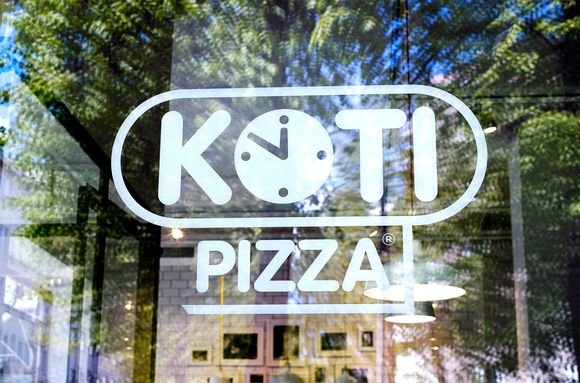
 Norwegian consumer goods conglomerate Orkla is offering to buy the Finnish-owned Kotipizza Group for 23 euros per share.


 A 26-year-old man has been charged with sexual offences involving more than 300 boys and young men, in the biggest case of its kind in Norwegian history.



 Swedish electric scooter startup
 The Norwegian fisheries minister, Harald Nesvik, has asked for the assistance of Pacific island nations to combat fisheries crime.
 Angola Capital Partner (ACP), which manages the investment funds of Norway, has invested $40 million in Angola provinces over the last 10 years.
 Lars Røsæg will take up the position of EVP and Chief Financial Officer (CFO) with immediate effect. Petter Østbø has stepped down as CFO and will leave the company.
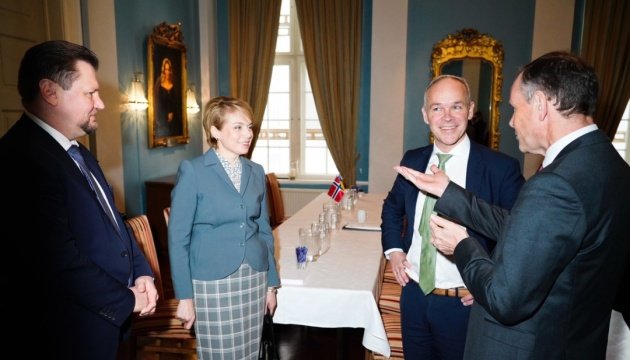
 Norway and Ukraine will share experiences and maintain contacts as part of the implementation of national education reforms.
 Norway-based startup
 Chinese airline Hainan Airlines is opening a direct route between the Chinese capital Beijing and Oslo airport in the spring of 2019, with three weekly departures.
 The Norwegian Government has concluded on capping the U-864 shipwreck with clean masses, thereby preventing future mercury pollution from the wreck and the surrounding seabed.


 Vipps, the provider of Norway’s national payment system BankAxept, has chosen Inside Secure to protect its mobile contactless payments.



 Ethiopia and Norway Thursday signed a grant agreement amounting $21.6 million (180 million Norwegian kroner) to support the east African Climate Resilient Green Economy (CRGE) Strategy.Admasu Nebebe, Ethiopia’s State Minister of Finance and Mr. Jens Frølich Holte, the State Secretary in the Norwegian Ministry of Foreign Affairs, signed the agreement.