
 In a communication to the World Trade Organisation (WTO), India expressed its willingness to join Norway as a third party member in WTO dispute consultations over US’ decision to impose higher tariffs on aluminium and steel products imports.
India had dragged the United States earlier as well to the World Trade Organisation for dispute settlement mechanism over the imposition of higher customs duties.
“India hereby notifies its desire to join the consultations requested by the Government of Norway…with respect to certain measures imposed by the US to adjust imports of steel and aluminium into the US…and exempting certain selected WTO members from the measures,” the WTO said.
An official from India further clarified that the country, being a notable steel and aluminium products exporter to the US, would join the dispute consultation as a third-party member for keeping a note of further developments on the issue.
India’s exports of steel and aluminium products to America stood at about USD 1.5 billion every year.
“As a result of this substantial trade interest, India respectfully requests that it be permitted to join the consultations in this dispute,” it said.


 When you’re in the city, getting a taxi from A to B may be necessary at times, but how much will it put you out of pocket? We’ve taken a look at the cost of taking a taxi just one mile in 50 capital cities around the world, so where can you afford to hail that cab and where should you consider hitting the pavement?
 A new Swedish fact-checking outlet is copying another project in Norway. They even have the same name.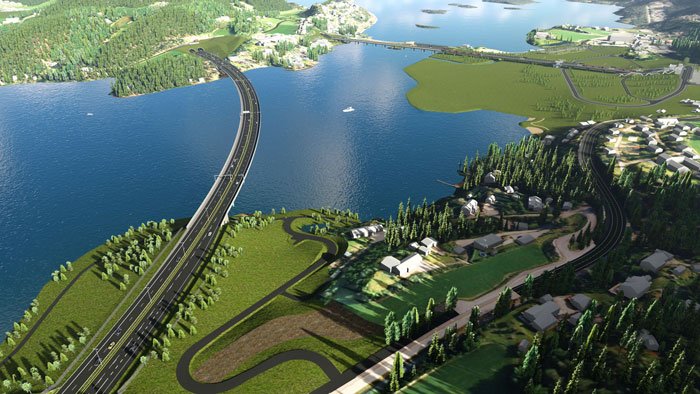
 As part of its National Transportation Plan for 2018-2029, the Norwegian government has announced approximately NOK 120 billion is allocated for the rail industry during the period 2018-2023 to cover a number of rail infrastructure and digitalisation projects.

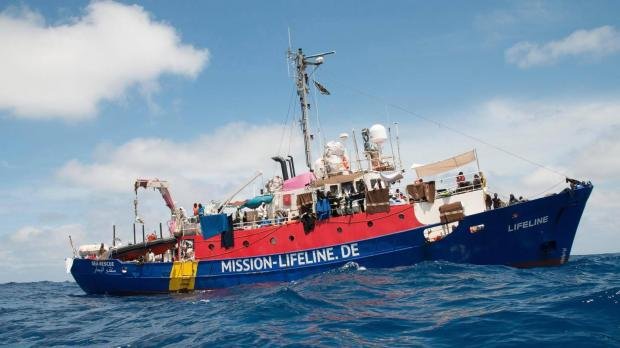
 Non-EU country Norway has accepted to take some of the migrants who disembarked in Malta on Wednesday from the NGO rescue ship MV Lifeline.


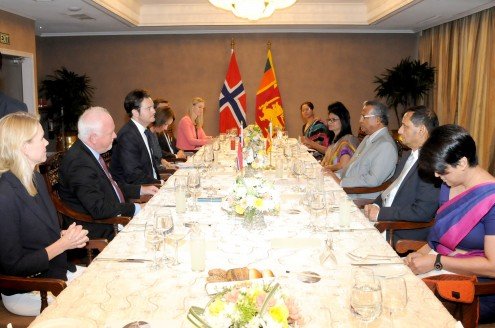
 Sri Lanka today noted the significant role played by Norway in Sri Lanka which has contributed to Sri Lanka’s social and human development.
 The Norwegian University of Science and Technology (NTNU) and Estonia have launched cooperation talks in the field of cyber security and IT, the online news portal of Norwegian public broadcaster NRK reports.
 NATO Anti-Submarine Warfare Exercise Dynamic Mongoose 2018 has started off the coast of Norway, with ships, submarines, aircraft and personnel from 8 nations gathered in the North Atlantic Ocean.
 On 22 June 2018, the Council approved an agreement with Norway aimed at boosting cooperation in the area of VAT.
 The World Health Organization (WHO) follows the Nordic countries in repealing sexual minorities with consenting practices from the International Classification of Diseases in the new revision ICD-11.
 With thousands of civilians currently fleeing violence in southern Syria, the Norwegian Refugee Council strongly appeals to Jordan to ensure the displaced can seek refuge across the border, and for the international community to offer substantial support at this moment of crisis.
 Norwegian Government presented the annual white paper on exports of defence-related products. In 2017, Norway exported arms and military equipment worth around NOK 5.4 billion, up from NOK 3.6 billion in 2016.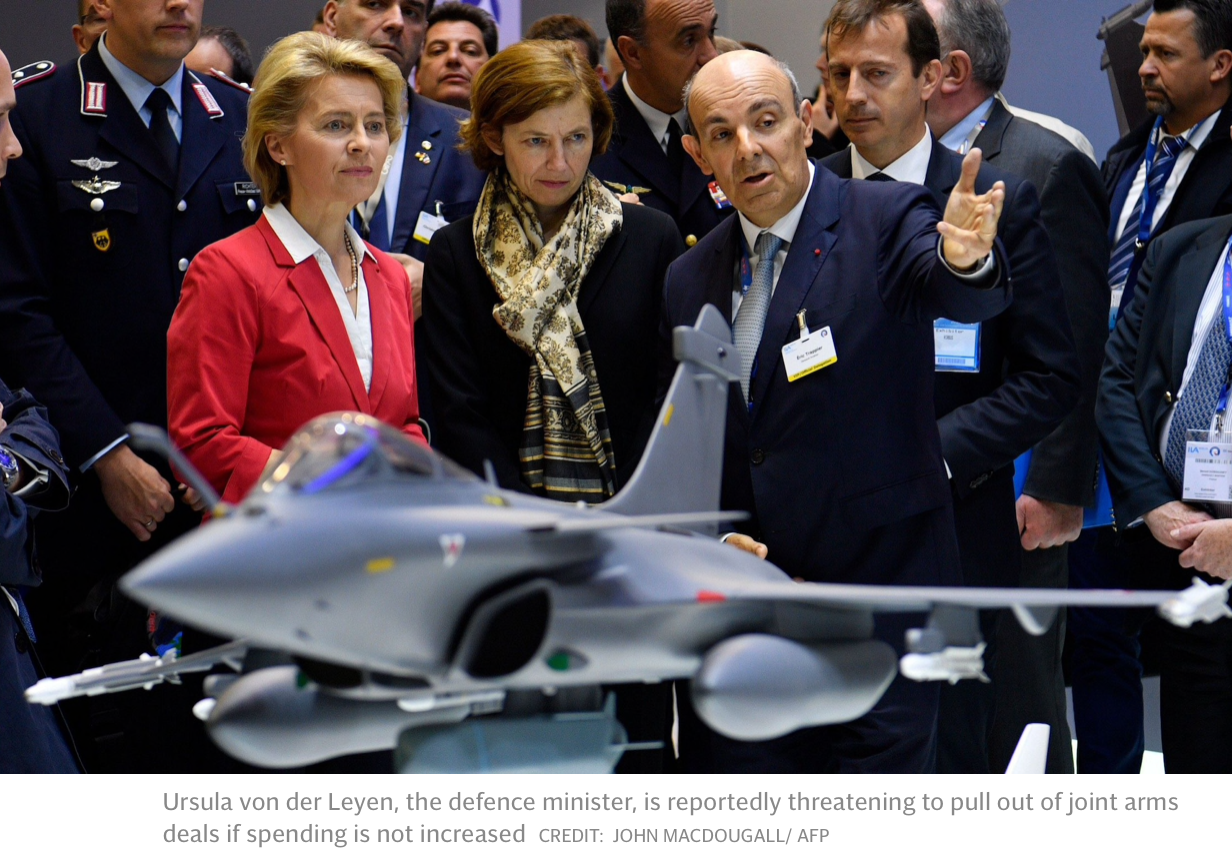
 European joint defence projects have reportedly been thrown into doubt amid a row over military spending in Angela Merkel’s coalition government.



 Norwegian State Secretary for Development Cooperation, Mr. Jens Frølich Holte, concluded a three-day visit to Sri Lanka on Saturday. During the visit, State Secretary Holte held meetings with the Minister of Fisheries and Aquatic Resources Development and Rural Economy Vijith Vijayamuni Zoysa, Minister of Finance and Mass Media Mangala Samaraweera, Minister of City Planning and Water Supply Rauff Hakeem, Leader of the Opposition R. Sampanthan, State Minister of Foreign Affairs Vasantha Senanayake and Foreign Secretary Prasad Kariyawasam.
 UK regulator Ofcom has issued a warning to Lycamobile UK for failing to comply with EU roaming regulations.
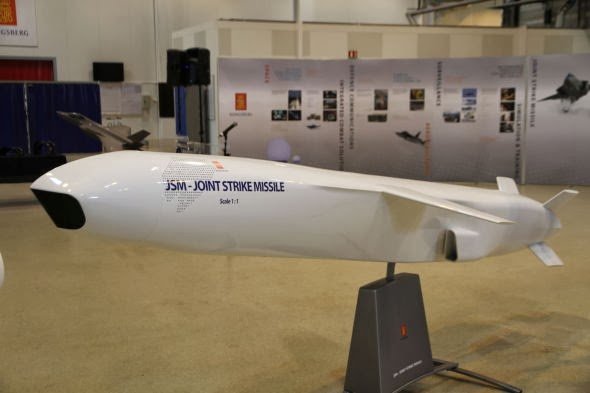
 An important milestone has now been achieved, with the Joint Strike Missile (JSM) passing the last of its planned tests in the missile qualification programme. The development phase of the JSM is now in its final stage and is scheduled for completion in autumn 2018.
 Organized criminals make 50-152 billion USD a year illegally cutting down invaluable tropical forests and their activities have detrimental consequences for sustainable development in rainforest nations and the global climate.
 Because the criminal activity behind illegal deforestation is complex, there is a strong need for a holistic law enforcement approach. Therefore, UNODC, INTERPOL and RHIPTO-Norwegian Center for Global Analyses are launching a collaborative initiative titled “Law enforcement assistance programme to reduce tropical deforestation” (Programme LEAP). The programme will support different law enforcement agencies in their joint efforts to crack down on illegal deforestation and associated crimes.
 New findings released today in Oslo suggest Indigenous Peoples and local communities dramatically outperform other managers, conserving lands and forests for a quarter the cost of public and private investments to conserve protected areas.
 Indigenous Peoples and local communities have customary rights to at least half of the world’s land, but legal ownership over just 10 percent.
 A “golden age” of technology–from satellites and remote sensing to cloud computing, drones and innovative ground data collection–have enabled the tracking and monitoring of the world’s tropical forests, providing an unprecedented opportunity to maximize the role forests play is soaking up and storing carbon and providing many goods and services for sustainable development, reveals a working paper released today at a major global gathering focused on efforts to save the world’s rainforests.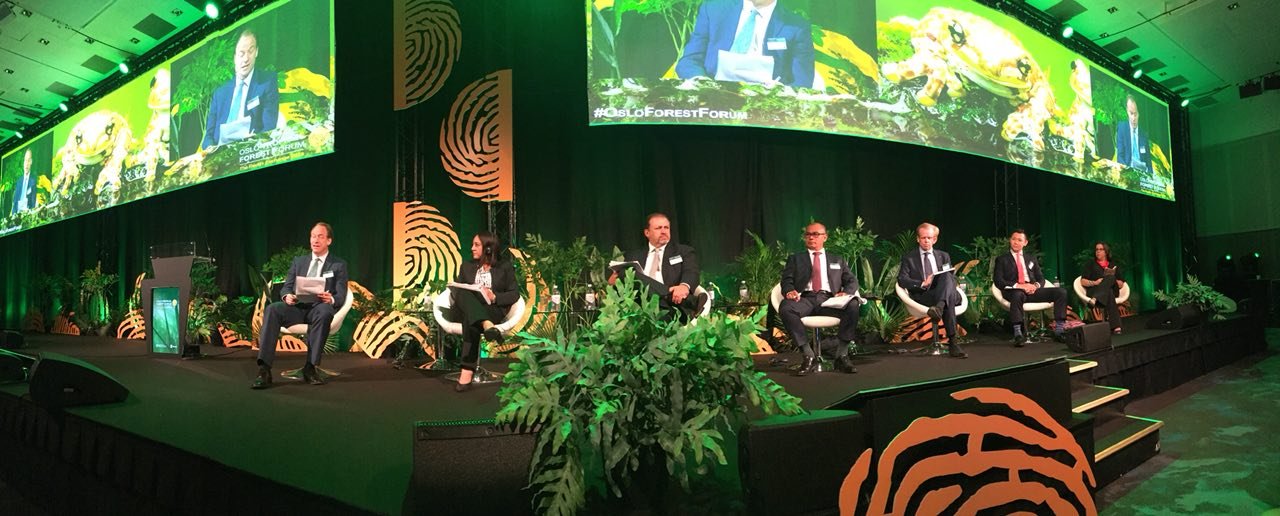
 An emerging body of research on the non-carbon impacts of deforestation reveals that destroying tropical forests significantly alters the Earth’s delicate energy balance, rainfall, and wind systems, leading to warmer and drier conditions near cleared forests and out-of-whack weather patterns across the globe, according to a new report by leading forest experts to be released at a major global forest gathering today. The research suggests these “new” impacts of deforestation, rooted in the flow of solar energy through forests across the upper atmosphere, disruptions to the atmosphere’s chemical cocktail, and dramatic declines in water cycling are just as damaging to the climate as the carbon released into the atmosphere when trees are cut down.


